
Violence Learned and Repeated
I Heard You Paint HousesThe narrative connects Sheeran’s early exposure to violence with combat conditioning and the deliberate violence of his criminal life.
increasing Bearing strength in each event
 decreasing
Bearing strength in each eventdecreasingViolence at Home
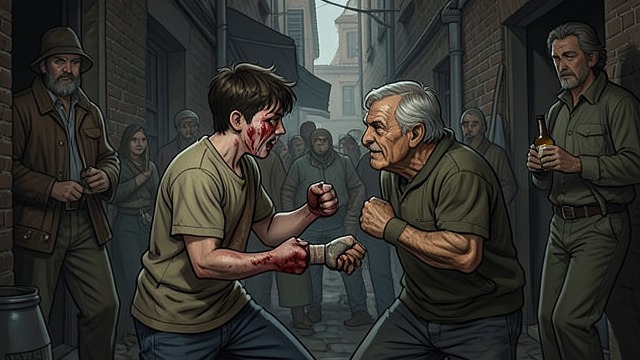
A Childhood of Fighting
Early lessons
Frank Sheeran’s father made him fight older boys and used the outcomes for beer bets. Sheeran learned to expect physical punishment and to answer challenges with force.
A model carried forward
The home taught him that violence could be ordinary, instrumental, and even entertaining. Those lessons formed part of the background to later choices, though they did not determine them.
Combat as Conditioning
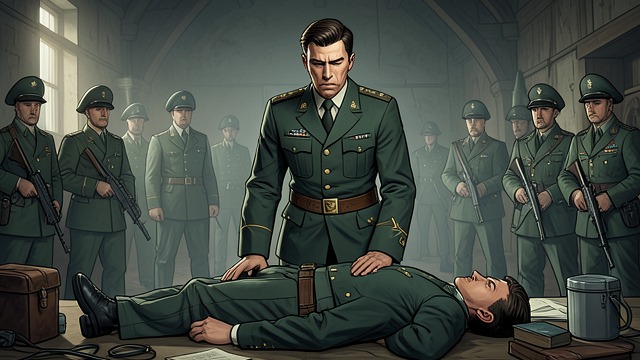
Killing Becomes Routine
Repeated exposure
Sheeran’s many combat days exposed him to death, fear, and commands to act quickly. He described feeling his emotions harden as friends and replacements died around him.
No simple release
Returning home did not restore the earlier self. The book frames combat as a powerful influence on Sheeran’s later violence without treating it as an excuse.
A Criminal Trade

Violence as Work
Euphemisms
Sheeran’s criminal assignments were often described as errands or matters to be straightened out. The coded language concealed the possibility of assault or murder.
Professionalization
He learned surveillance, weapons handling, and the importance of an alibi and escape route. Violence became a job carried out according to a system, not merely an explosion of anger.
The Hoffa Killing
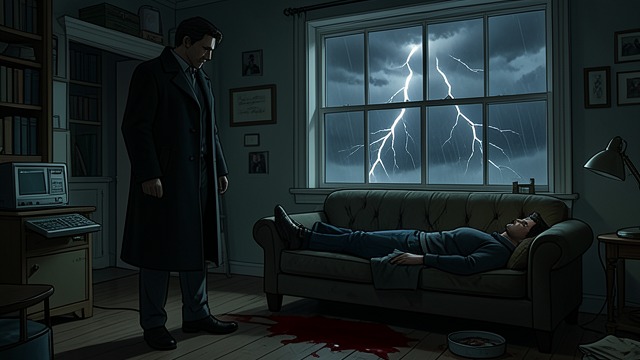
Violence at Its Most Intimate
Trust turned against a friend
Sheeran says he used his closeness to James R. Hoffa to make the meeting appear safe. The killing therefore depended on the relationship that had protected Hoffa for years.
A moral break
The act combined planning with personal betrayal. Sheeran’s claimed detachment at the time contrasts with his later account of guilt and suffering.
Violence Recalled
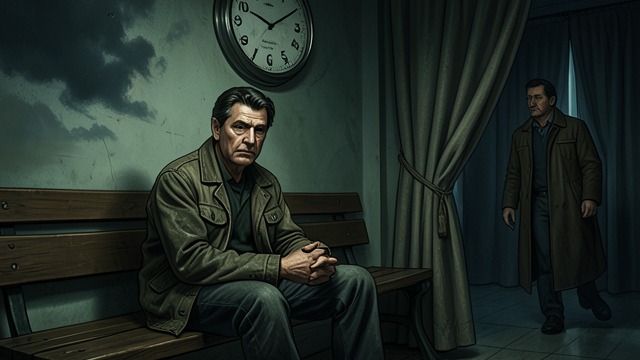
Memory and Confession
Dreams return
Sheeran told Brandt that wartime and criminal events had begun to mix in his dreams. His aging body and declining health brought earlier actions back into conversation.
A final judgment
He said that if he had to do the things again, he would not. The admission does not undo the harm, but it complicates the portrait of a man who once described violence as routine.
1920s–1930s
1943–1945
1950s–1960s
July 30, 1975
1999–2003
