
Confession and Absolution
I Heard You Paint HousesReligious fear, the wish for absolution, and the public confession form a late-life attempt to confront guilt without resolving every uncertainty.
increasing Bearing strength in each event
 decreasing
Bearing strength in each eventdecreasingA Catholic Childhood
Sin and Forgiveness
Religious formation
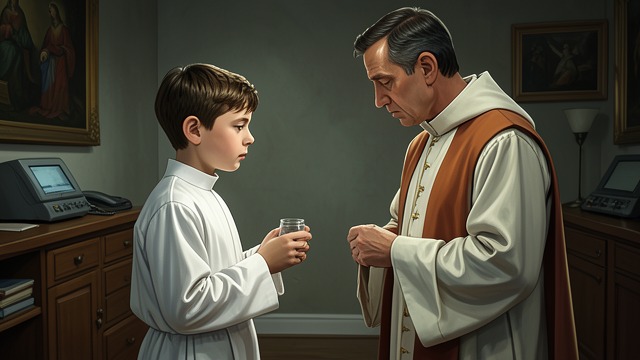
Frank Sheeran grew up in a devout Catholic household and learned that confession could restore a person to grace. He served as an altar boy before being dismissed for taking sacramental wine.
A moral framework
The childhood understanding of sin and absolution remained available to him even as adult life took him into violence. It later shaped his fear about death and burial.
Atonement after Prison
Seeking the Sacraments
A fear of exclusion
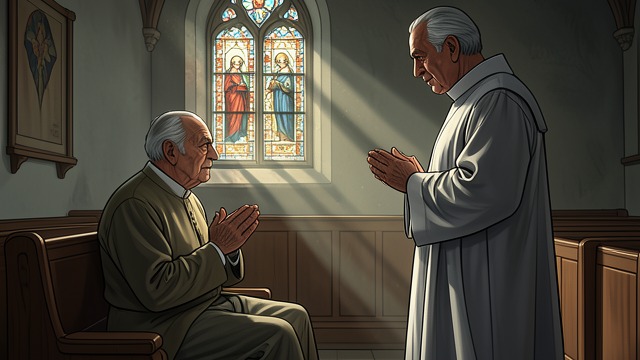
As his health declined, Sheeran worried that he might not be allowed burial in a Catholic cemetery. His daughters arranged an audience with a monsignor.
Absolution
Sheeran said the meeting brought forgiveness for his sins. The religious encounter preceded his return to Brandt’s interviews, linking spiritual preparation with disclosure.
A Confession with Boundaries
Telling What He Chose
Admission
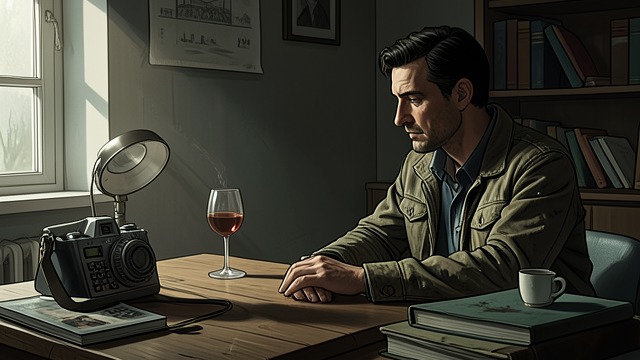
Frank Sheeran told Charles Brandt that he had killed James R. Hoffa. He read the chapters and approved the manuscript, then agreed to affirm it on video.
Withheld details
He continued to refuse questions about certain people and circumstances. The confession was substantial but incomplete, shaped by his desire to relieve guilt without exposing everyone he knew.
The Final Video
Standing Behind the Book
A last affirmation
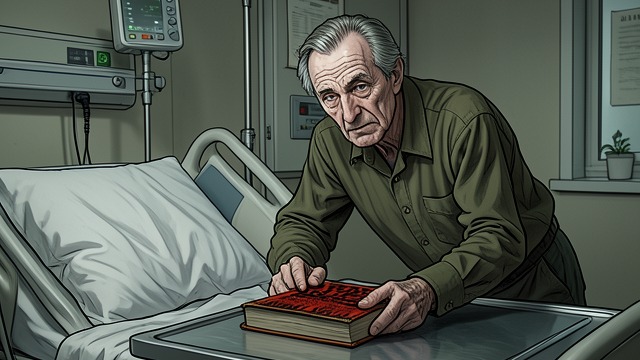
In hospital, Sheeran told Brandt that the book contained things he had said and that he stood behind them. He did so without the protective legal phrasing used earlier in the project.
A fragile moment
He was physically weak and hesitant, but he chose to continue. The recording presents confession as both a decision and a final act of self-definition.
Peace without Resolution
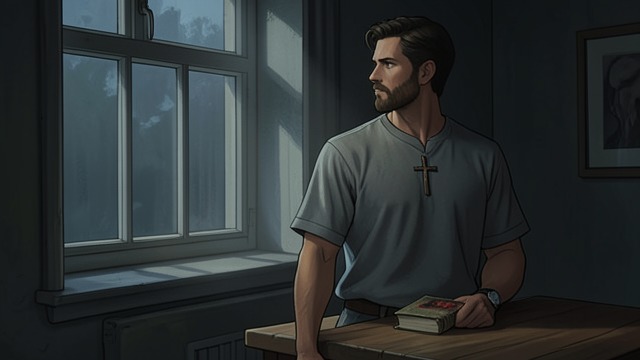
An Unfinished Reckoning
Last days
Sheeran told Brandt that he was at peace after receiving the sacraments. He died weeks after affirming the account.
What remains
The confession gave his family and the public a version of Hoffa’s death, but no trial tested it and no body was recovered. Religious reconciliation and historical certainty remained separate matters.
1930s
1999
1999–2003
November 2003
December 2003
