
Hoffa and Bobby Kennedy
I Heard You Paint HousesThe rivalry escalates from public hearings to federal prosecution, imprisonment, and a lasting struggle over how law enforcement should confront organized crime.
increasing Bearing strength in each event
 decreasing
Bearing strength in each eventdecreasingThe Hearings Begin
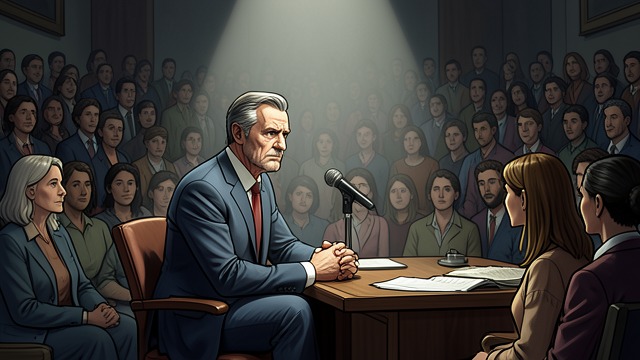
A Public Confrontation
National attention
The McClellan Committee hearings placed James R. Hoffa before a national audience. Bobby Kennedy questioned union officials and challenged their ties to criminal figures.
Competing claims
Hoffa presented himself as a defender of workers against hostile employers and government pressure. Kennedy portrayed his allies and methods as evidence of a criminal system operating inside labor.
The Pursuit Expands
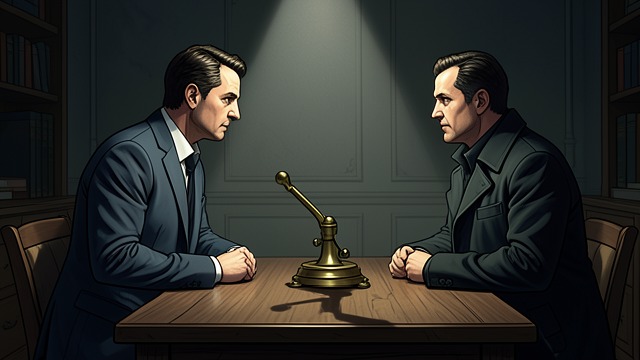
Federal Power Mobilized
A new strategy
As attorney general, Robert F. Kennedy coordinated information from federal agencies and expanded investigations of organized crime. Hoffa became a central target of the new enforcement effort.
Personal conflict
Both men treated the struggle as a test of authority. Hoffa saw a political vendetta; Kennedy saw a chance to challenge corruption and criminal power.
The Threat Report
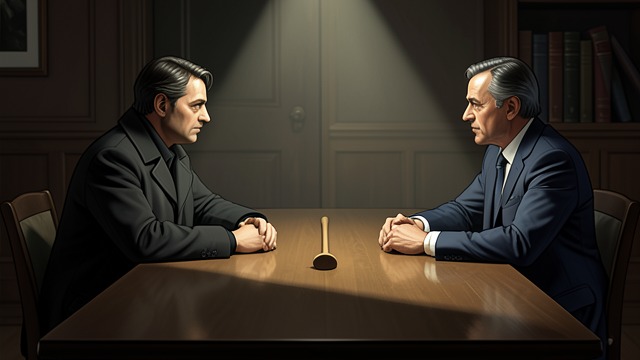
An Alleged Plot
Partin’s account
Edward Grady Partin reported that Hoffa had discussed killing Robert F. Kennedy. Investigators treated the statement as serious and looked for corroboration.
Public restraint
President Kennedy reportedly told a journalist about the threat, but the story was not published after Bobby Kennedy objected that it could affect witnesses. The alleged plot intensified an already bitter conflict.
Trials and Defeat
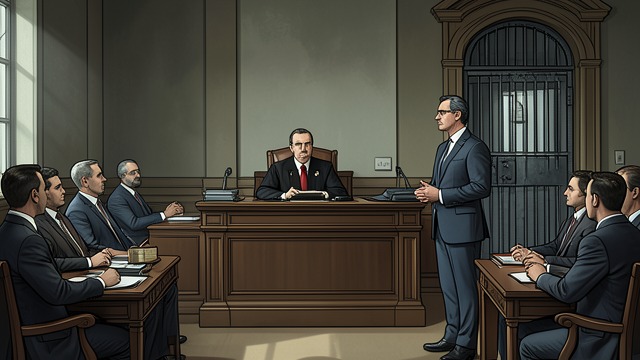
The Prosecution Prevails
Jury interference
The Test Fleet case exposed repeated efforts to influence jurors. Partin’s testimony linked Hoffa to those events in the later Chattanooga trial.
Imprisonment
Hoffa was convicted and later received a separate sentence in the pension-fund case. The legal campaign had converted political hostility into a prison term that reshaped the Teamsters.
An Unfinished Legacy
The Rivalry Survives
After Kennedy’s departure
Bobby Kennedy left the Justice Department in 1964, but the legal consequences of the campaign continued. Hoffa remained imprisoned and later suspected that political forces had shaped his release conditions.
A broader conflict
The rivalry became a contest over labor power, federal authority, and the reach of organized crime. Hoffa’s disappearance occurred years after Kennedy’s enforcement campaign had transformed the landscape.
1957
1961–1962
Summer 1962
1962–1964
1964–1975
