
Sheeran’s Ascent
I Heard You Paint HousesFrank Sheeran’s path runs from an impoverished Philadelphia childhood through combat, union work, and criminal service to an aging man who publicly owns his story.
increasing Bearing strength in each event
 decreasing
Bearing strength in each eventdecreasingA Hard Childhood
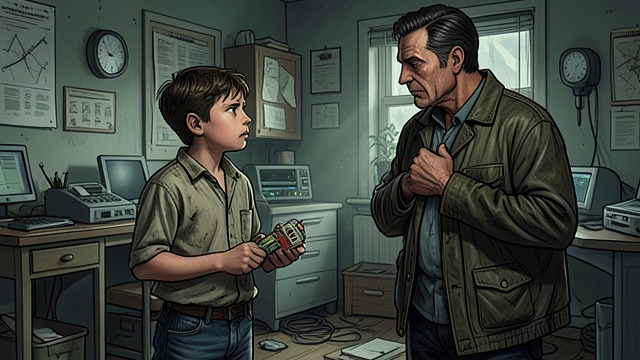
Learning to Endure
Poverty and discipline
Frank Sheeran grew up in a family with little money, frequent moves, and few possessions. His father used him in fights, while work and street life taught him to endure hardship early.
The child who stole food and fought older boys learned to survive by reading people and responding quickly. His size and strength became both protection and identity.
Restlessness
School ended after a fight with a principal. A carnival, logging camp, and temporary jobs offered motion rather than a settled future, a pattern that later carried into military and underworld life.
Combat Conditioning
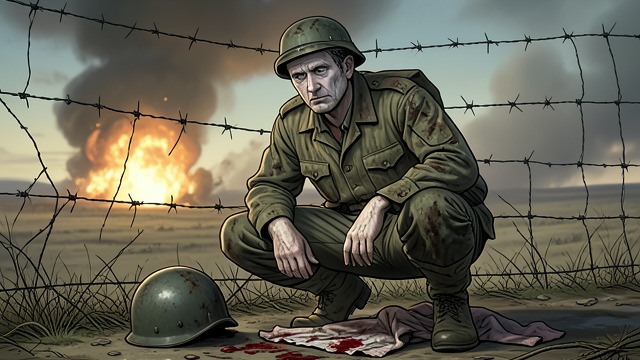
The Soldier’s Education
Front-line experience
Frank Sheeran joined the 45th Infantry Division and fought in Sicily, Salerno, Monte Cassino, Anzio, France, and Germany. He later said he accumulated 411 combat days.
Shelling, losses, and repeated exposure to death narrowed his emotional responses. He learned to obey orders in combat and to act before fear could paralyze him.
A lasting change
At Dachau, he encountered the evidence of mass murder and remembered the scene and smell for life. Returning home, he recognized that the war had changed him, though he had no language for its psychological damage.
Joining Downtown
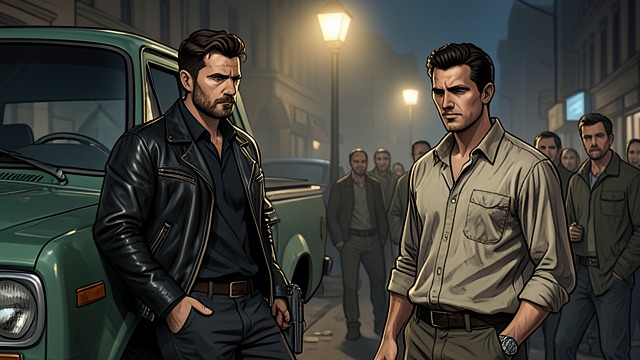
Crossing into Crime
A chance encounter
While driving for Food Fair, Frank Sheeran met Rosario Bufalino, who helped him with a truck. Their friendship drew Sheeran toward Philadelphia’s criminal networks.
Sheeran already stole meat and moved small loans. After losing his steady job, he accepted increasingly serious errands for people he met downtown.
The threshold
When Whispers DiTullio asked him to destroy a rival laundry, Sheeran nearly entered a deadly conflict without understanding its ownership. The intervention of Bufalino and the killing that followed made his place in the criminal culture unmistakable.
A Union Enforcer
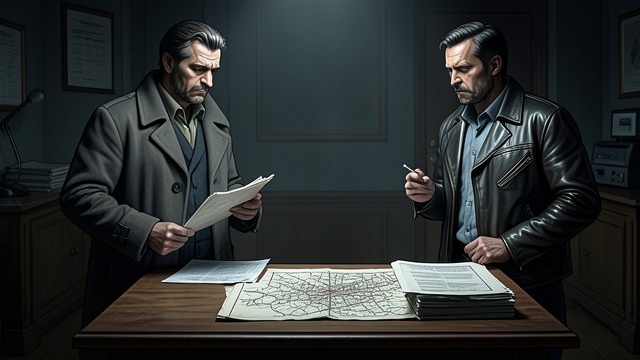
Work in Two Worlds
The union opening
Rosario Bufalino introduced Sheeran to James R. Hoffa, who hired him into union work. Sheeran became an organizer and then a trusted enforcer, moving between locals and cities.
His work included organizing campaigns, strike pressure, and jobs described euphemistically as “straightening matters out.” He drew status from his access to Hoffa and Bufalino.
Advancement and cost
Sheeran eventually led Teamsters Local 326 in Delaware. The steady position did not erase his criminal activity; it joined union authority to the underworld duties he had taken on.
The Final Reckoning
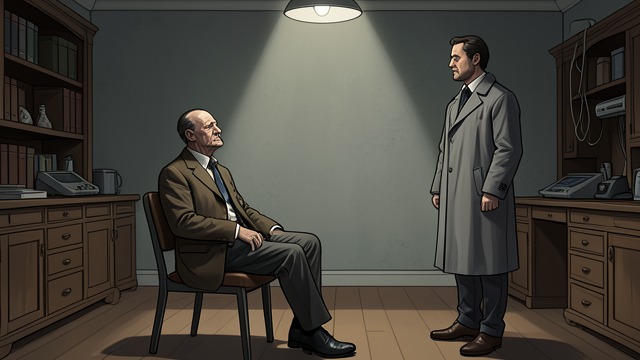
A Confession at Life’s End
Returning to the story
Charles Brandt first interviewed Frank Sheeran in 1991, but Sheeran stopped the questioning. Years later, after seeking religious absolution, he returned to the interviews and discussed Hoffa’s disappearance.
Sheeran read and approved the manuscript, then gave a final recorded confirmation from his hospital bed. He died in December 2003.
The public judgment
Sheeran left no legal verdict resolving his claim. His account entered public debate through Brandt’s book, where the reader must weigh its detail against contradictions and missing proof.
1920s–1930s
1943–1945
Mid-1950s–1957
Late 1950s–1960s
1991–December 2003
