
The Book’s Confession Narrative
I Heard You Paint HousesThe book’s own narrative follows Charles Brandt’s interviews with Frank Sheeran and the difficult passage from guarded hints to a public, contested confession.
increasing Bearing strength in each event
 decreasing
Bearing strength in each eventdecreasingThe First Interview

An Interrupted Beginning
Initial questioning
Charles Brandt met Frank Sheeran after Sheeran’s release from prison on medical grounds. The former prosecutor asked direct questions, and Sheeran admitted more than he later felt comfortable revealing.
The interview ended when Sheeran reconsidered the process. Brandt left the door open rather than forcing an immediate return.
A delayed choice
The pause shows the tension at the heart of the project: Sheeran wanted to talk, but he also feared the consequences of saying too much. His silence did not end the story; it postponed it.
Absolution and Return
Permission to Speak
Religious reckoning
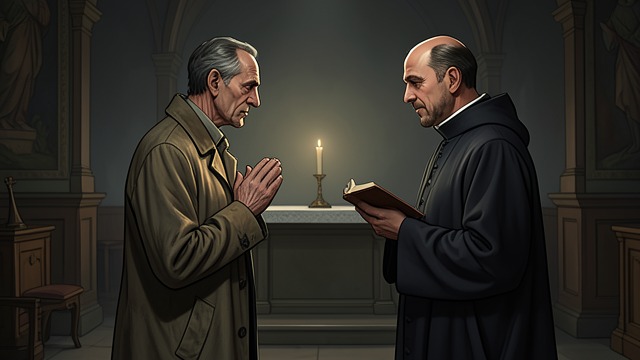
Frank Sheeran’s daughters arranged a meeting with a Catholic monsignor. Sheeran sought absolution, fearing that he might otherwise be denied burial in a Catholic cemetery.
He told Charles Brandt that he believed there was something after death and did not want to close the door to it.
The interviews resume
After this meeting, Sheeran asked Brandt to begin questioning him again. The interviews continued for years, framed by both a spiritual need to confess and a persistent refusal to be regarded as an informer.
A False Safeguard
The Forged Letter
An escape route
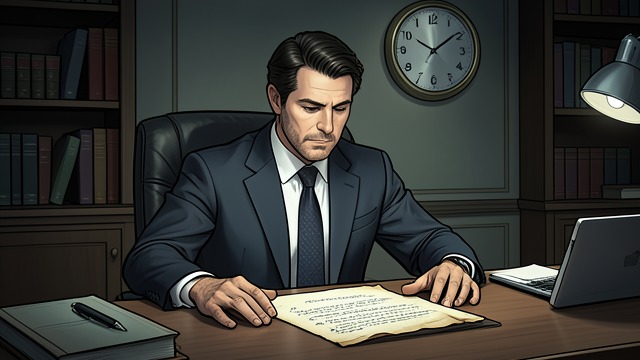
Before a meeting with Fox News, Sheeran gave Brandt a typed letter supposedly signed by James R. Hoffa. The letter mixed familiar claims with material that could support an alternative version of events.
A forensic examination revealed that the paper was manufactured years after the date on the letter and that the signature copied an authentic example.
Trust under pressure
Sheeran admitted that the forgery gave him a way to retreat if the pressure became unbearable. The deception threatened the book project and exposed the complicated boundary between confession and self-protection.
The Final Recording
Standing Behind the Account
A public commitment
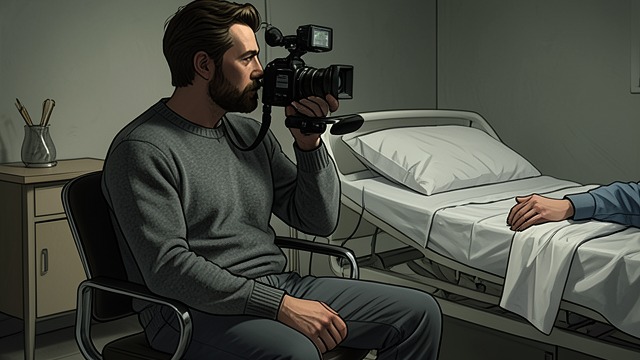
During his final illness, Frank Sheeran agreed to appear on video and affirm the book’s account. Charles Brandt asked whether the claims about Hoffa came from Sheeran and whether he stood behind them.
Sheeran answered yes, though he resisted elaborating and told Brandt to let the book speak for itself.
Limits of the confession
The recording gave Sheeran’s account a final public form, but it did not supply independent proof. His physical weakness and reluctance to discuss details kept the confession partial and difficult to test.
The Unanswered Detail

The Real Estater
A late hint
In the final interview, Sheeran mentioned a real-estate intermediary connected with the Detroit house. Brandt asked follow-up questions, but Sheeran refused to say more, telling him he already had enough.
The unexplained reference suggested a possible link between the house’s access and its use, without identifying what the intermediary knew.
An unfinished ending
Sheeran died weeks later. Brandt subsequently learned that John Francis had real-estate connections, but the book could not establish that Francis arranged the house or knew the plan.
1991
1999
Around 2000
November 2003
December 2003
