
Hoffa’s Destiny
I Heard You Paint HousesHoffa’s life moves from labor organizing and union command through prosecution, imprisonment, release under restriction, and disappearance.
increasing Bearing strength in each event
 decreasing
Bearing strength in each eventdecreasingA Worker Organizes
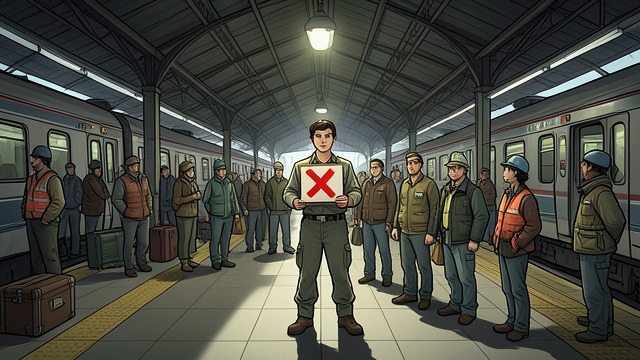
From Dock to Union
Early hardship
James R. Hoffa left school as a teenager to help support his family. He entered a working life marked by low wages and insecure employment.
The Strawberry Boys strike gave him an early organizing victory and a reputation for direct action.
A public identity
Hoffa’s commitment to improving workers’ conditions became the foundation of a career that would make him one of America’s most recognizable labor leaders.
The Powerful President
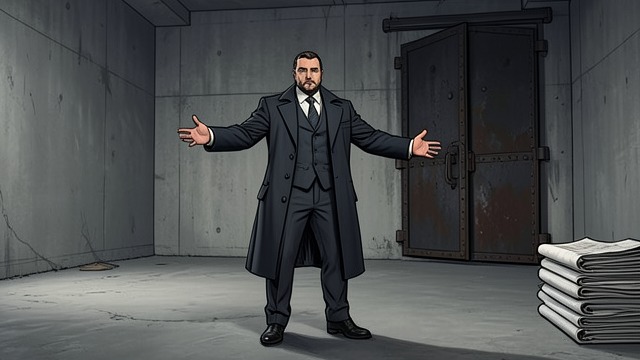
Authority at Its Peak
Control
James R. Hoffa became president of the Teamsters and built a powerful national organization. He used the pension fund and collective bargaining strength to expand the union’s reach.
Accomplishment and compromise
The Master Freight Agreement delivered major gains, while Hoffa’s alliances with criminal figures made his methods increasingly controversial. His success and vulnerability grew together.
The Fall into Prison
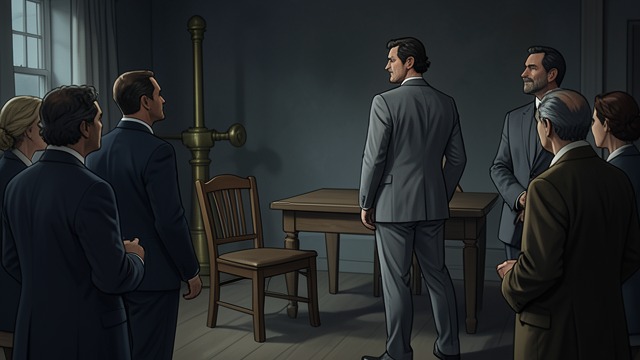
Conviction and Confinement
Trials
Jury-tampering investigations and the Chicago pension-fund case brought James R. Hoffa into repeated conflict with federal prosecutors. Edward Grady Partin’s testimony proved decisive in the jury-tampering prosecution.
A long sentence
Hoffa received consecutive sentences totaling thirteen years and entered Lewisburg in 1967. He lost freedom but continued to imagine a return to union leadership.
Release with a Bar
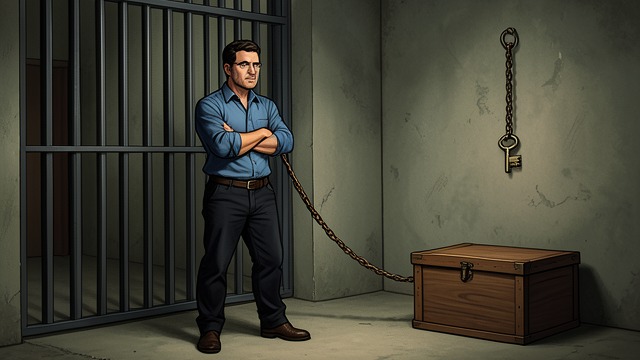
Freedom on Terms
Parole fails
Hoffa’s 1971 parole bid failed after he resigned from union posts in an effort to strengthen his case. The decision cost him the chance to return before the Teamsters convention.
Nixon’s commutation
President Nixon released him, but the clemency order prohibited union management until 1980. Hoffa gained freedom and lost the immediate path back to power.
The Unfinished Return
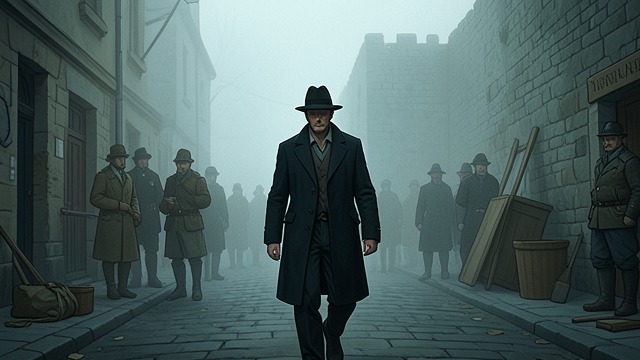
A Comeback Interrupted
Legal challenge
After his parole ended, Hoffa challenged the restriction and campaigned for a return in 1976. He did not wait passively for the courts to decide.
Disappearance
Hoffa’s refusal to abandon the contest sharpened conflict with Fitz and figures who feared his return. He disappeared in July 1975 before he could learn whether his legal or political effort would succeed.
1932–1930s
1957–1963
1962–1967
1971
1973–1975
