
Evidence and Uncertainty
I Heard You Paint HousesThe book combines confession, records, witness accounts, and physical traces while repeatedly confronting the limits of what each can prove.
increasing Bearing strength in each event
 decreasing
Bearing strength in each eventdecreasingA Story from Memory
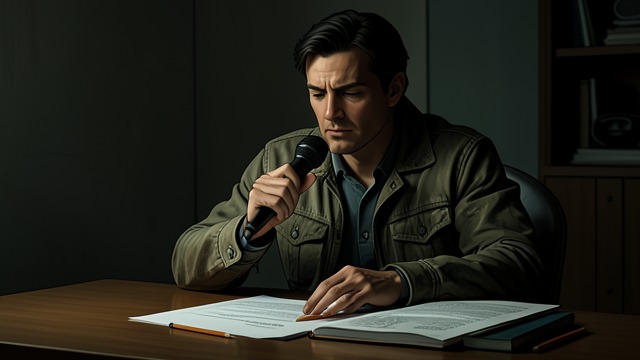
The Witness’s Account
Recorded interviews
Charles Brandt based the narrative on years of questioning Frank Sheeran, much of it recorded. Sheeran read and approved the manuscript and later affirmed it on video.
Limits of testimony
A confession can be vivid and detailed without being independently verified. Sheeran’s memory, motives, and changing willingness to speak remain part of the evidence that readers must assess.
A Forged Letter
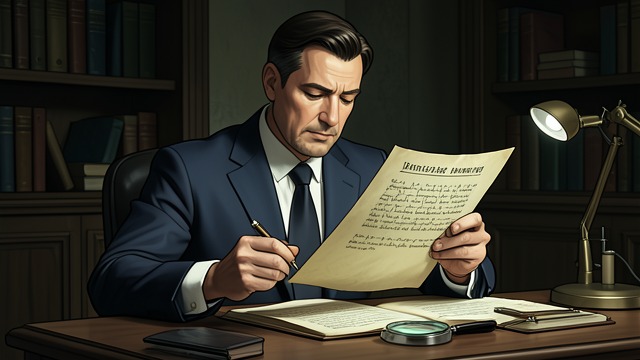
A Credibility Problem
The document
Sheeran produced a letter said to be from James R. Hoffa. Forensic examination showed that the paper postdated the claimed year and that the signature had been copied.
Consequences
The forgery demonstrated Sheeran’s capacity for concealment and damaged confidence in the project. It did not by itself disprove his account of the killing, but it made independent corroboration more important.
The Car Hair
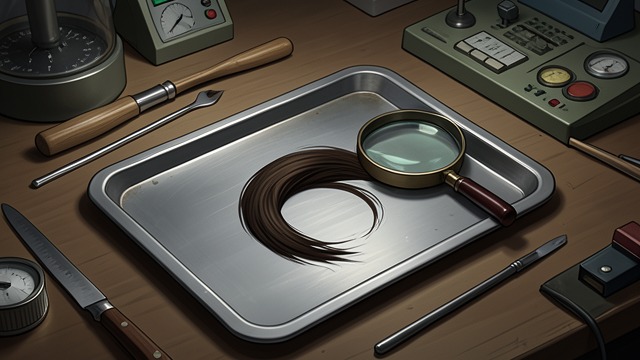
A Trace in the Mercury
Investigation
The FBI recovered a hair from the rear passenger area of the Mercury associated with the disappearance. DNA testing later identified it as Hoffa’s.
Competing explanations
The finding supported the claim that Hoffa had been in the car at some point. It did not, by itself, establish when he entered the car, who drove it, or what happened afterward.
The House and Blood
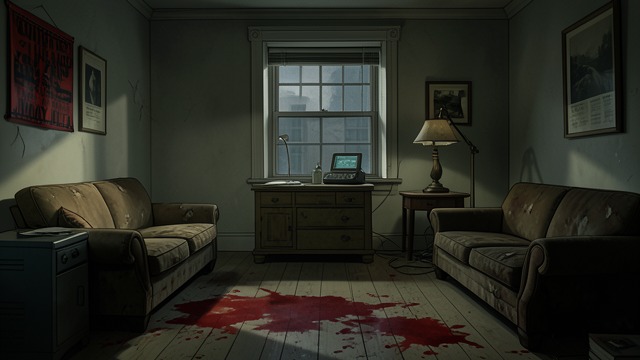
Forensic Testing
Location and description
Charles Brandt and Sheeran located the Detroit house in 2002. Brandt later reported that the interior matched Sheeran’s description and that traces of blood had been found in the flooring.
The test result
The FBI Laboratory identified human male blood but found no DNA match to Hoffa. The result left the location significant but did not prove that Hoffa had been killed there.
A Case without a Verdict
History in Dispute
Official limits
Authorities closed the investigation without charges, and much of the FBI file remained unavailable. The absence of prosecution meant that no courtroom tested the central claims.
Reader as judge
The book presents testimony and corroboration while acknowledging gaps and contradictions. Its conclusion depends on weighing evidence rather than accepting a legal verdict that never came.
1991–2003
Around 2000
1975–2001
2002–2005
2002–2005
