
Hoffa’s Rise and Fall
I Heard You Paint HousesJames R. Hoffa’s story traces a labor organizer’s rise to national power, his battles with government, and his failed effort to reclaim control.
increasing Bearing strength in each event
 decreasing
Bearing strength in each eventdecreasingThe Strawberry Strike
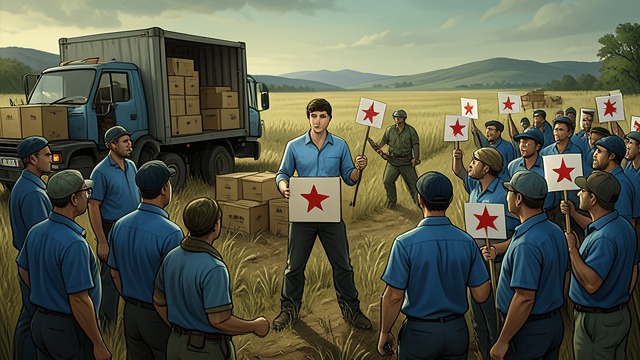
A Labor Leader Emerges
A first victory
At nineteen, James R. Hoffa organized Kroger dockworkers who became known as the Strawberry Boys. They withheld a shipment of strawberries until the company recognized their demands.
The workers won improved conditions and a union charter. The victory made Hoffa visible as an organizer willing to use collective pressure.
A career begins
The success led to work with Detroit’s Teamsters. In an era of scarce jobs and violent labor disputes, Hoffa built power by promising workers tangible gains and defending union solidarity.
Building the Teamsters
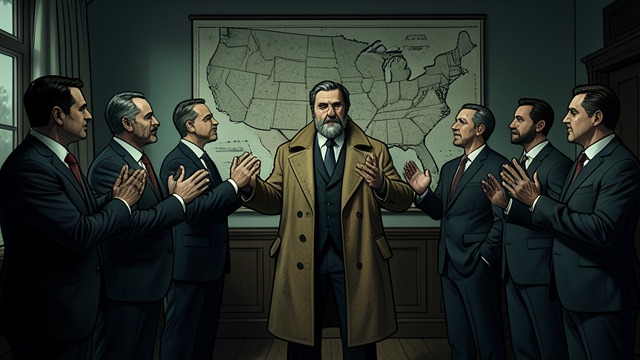
Power and Organization
Union expansion
James R. Hoffa rose through the Teamsters and became its president in 1957. He used forceful organizing and political maneuvering to consolidate a union with enormous influence over trucking.
The pension fund and national reach gave the union financial and strategic power. Hoffa’s allies included figures whose interests extended beyond labor representation.
A major achievement
In 1963, Hoffa helped secure the Master Freight Agreement, a nationwide contract intended to prevent employers from dividing workers by region. Its gains strengthened his standing among members even as his methods drew scrutiny.
Kennedy’s Pursuit
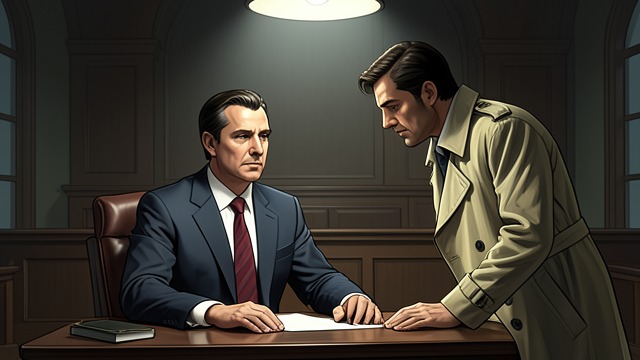
The Government Closes In
Public scrutiny
The Senate hearings on labor racketeering brought James R. Hoffa into sustained conflict with Bobby Kennedy. Hoffa’s evasive testimony and alliances with criminal figures made him a prominent target.
As attorney general, Kennedy coordinated federal attention on organized crime and pursued cases across jurisdictions. The conflict grew personal as well as institutional.
Convictions
Jury-tampering and pension-fund cases produced convictions and a thirteen-year combined sentence. Hoffa’s ability to command the union did not protect him from imprisonment.
Prison and Pardon

Power Behind Bars
Prison strategy
James R. Hoffa entered Lewisburg in 1967 but continued to influence union politics through lawyers, visitors, and trusted intermediaries. He expected Fitz to preserve his position until his return.
His parole bids failed, and his allies sought political help. Cash and support went toward a route to release through the Nixon administration.
Conditional freedom
President Nixon commuted Hoffa’s sentence in 1971, but the order barred him from union management until 1980. Hoffa left prison free but unable to resume the leadership he wanted.
The Final Campaign
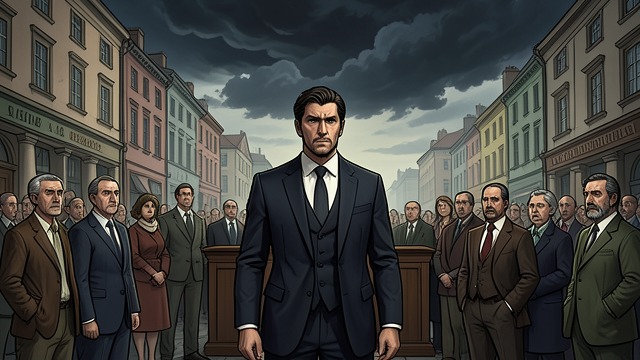
The Comeback Turns Fatal
Defying the restriction
After his parole ended, James R. Hoffa challenged the restriction and announced his intention to contest Fitz in 1976. He framed the struggle as a fight to reclaim his union.
His warnings about records and loans alarmed people who had benefited from the existing leadership. His old allies urged him to stop, but he would not.
Disappearance
Hoffa vanished after going to a meeting in Detroit on July 30, 1975. The book presents Sheeran’s account of the killing, while the case remained officially unresolved.
1932
1950s–1963
1957–1964
1967–1973
1973–July 1975
