
Pension Fund Power
I Heard You Paint HousesThe union pension fund grows from a worker benefit into a contested source of political leverage, criminal finance, and legal exposure.
increasing Bearing strength in each event
 decreasing
Bearing strength in each eventdecreasingA Retirement Promise

The Fund Begins
A new benefit
James R. Hoffa helped establish a pension fund intended to provide retirement security for Teamsters. Truck drivers had often depended mainly on Social Security.
The fund expanded as employers contributed for covered workers. Its scale eventually gave its managers influence beyond ordinary union administration.
A source of power
Hoffa wanted control over how the money was invested and who could borrow it. That structure linked worker benefits to the decisions of union leaders and their allies.
Loans and Influence
Capital with Conditions
Borrowing network
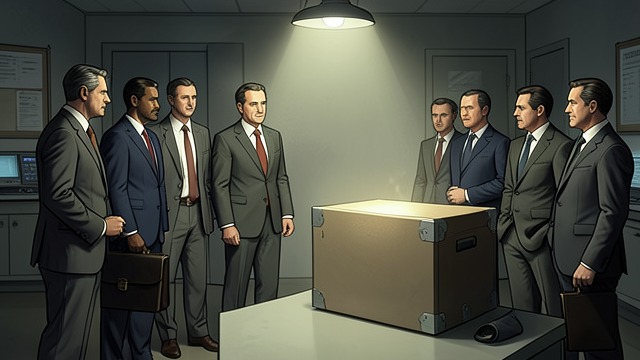
The book describes pension loans to commercial ventures associated with criminal figures and political allies. Hoffa’s supporters framed the loans as investments, while critics saw an opening for private influence over workers’ savings.
Finder’s fees and points allegedly passed to Hoffa and intermediaries. The fund’s size made access to it a source of loyalty and leverage.
Governance at risk
The arrangement blurred the distinction between union assets and outside interests. When control of the presidency shifted, the same financial network became a source of tension and suspicion.
Sun Valley Losses

A Deal Turns into a Case
The development
James R. Hoffa and Owen Bert Brennan invested in Sun Valley Village. A $400,000 union-fund pledge secured financing for the development, which later failed.
Hoffa denied receiving a secret personal stake, while prosecutors argued that a trust agreement promised him a share of profits.
Legal consequences
The effort to recover the pledged money led prosecutors to describe a wider pension-fund scheme. The Chicago case resulted in convictions and extended Hoffa’s prison sentence.
A Leadership Divide

Different Rules under Fitz
A change in control
While James R. Hoffa was imprisoned, Fitz managed the union and the fund. Sheeran says Hoffa believed payments and oversight weakened under the new leadership.
Loans that had once depended on Hoffa’s terms were, in Sheeran’s account, handled less carefully. Allies worried about whether the fund would remain useful to them.
Political stakes
Control of the pension system helped make the contest over union leadership more than a personal feud. A returning Hoffa threatened to review decisions and expose relationships built under Fitz.
A Fund Under Suspicion

The Legacy of Access
The missing president
Hoffa’s disappearance occurred amid disputes over loans, union control, and his threatened return. The book presents those financial interests as part of the context for the conflict, not as a proven single motive.
Lasting exposure
Later prosecutions and investigations continued to reveal attempts to influence union funds and elections. The pension fund remained a symbol of how worker resources could be pulled into power struggles beyond the membership.
1955
Late 1950s–early 1970s
1958–1964
1967–1975
1975 and after
