
Dominick’s Search for a Life Beyond Caretaking
I Know This Much Is TrueThis thread traces Dominick’s changing identities as twin, husband, father, caretaker, and survivor, from childhood resentment and grief to his eventual decision to resume life with Dessa and Tyffanie.
increasing Bearing strength in each event
 decreasing
Bearing strength in each eventdecreasingThe Brother Who Stayed Behind
The Brother Who Stayed Behind
A role assigned at home
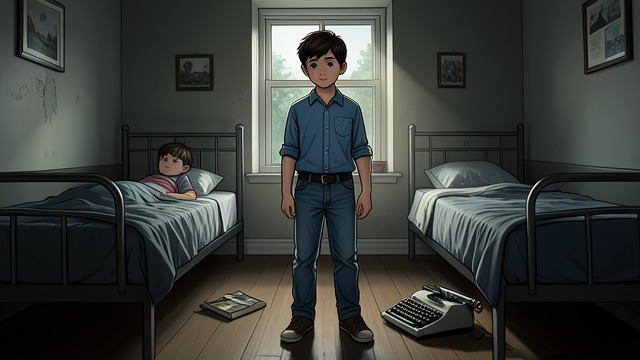
Growing up with Thomas, Dominick learns to present himself as the capable, tougher twin. Their stepfather Ray is more openly harsh with Thomas, and Dominick finds that he can avoid some punishment by anticipating Ray’s moods and keeping quiet when Thomas cannot.
Their mother Ma repeatedly asks Dominick to help his brother, and the boy comes to resent both the responsibility and the affection Thomas receives. He sees himself as the one who must intervene, but also as someone who is denied the freedom to become separate from his twin.
A failed escape
When the brothers enter the University of Connecticut, Dominick resists sharing a room with Thomas and eventually arranges to room with Leo instead. Thomas’s freshman-year difficulties, paranoia, and destruction of their shared typewriter deepen the pressure between them.
Dominick’s desire for independence is understandable, but it is mixed with rivalry, shame, and a habit of abandoning Thomas when his needs become inconvenient. Their separation is not simply a new roommate assignment; it marks Dominick’s first attempt to refuse a role he will repeatedly resume later.
The Father and Daughter He Lost
The Father and Daughter He Lost
A brief life
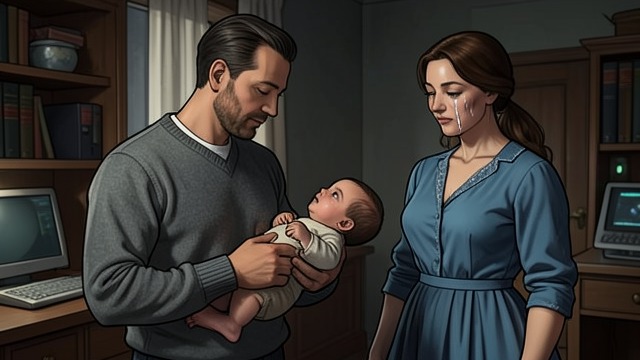
Dominick and Dessa welcome their daughter Angela, but she dies of sudden infant death syndrome three weeks after birth. Dominick is the one who finds her, and he carries the image of her body, the emergency response, and Dessa’s grief into the years that follow.
Both parents are devastated, but they grieve differently. Dessa seeks support and tries to remember Angela as a living child; Dominick avoids the pain, takes over practical tasks, and treats emotional conversation as something that cannot change the fact of the loss.
Grief becomes a marriage crisis
Dominick eventually undergoes a vasectomy without telling Dessa. He sees the operation as defense against another unbearable loss, but Dessa returns from a trip wanting the possibility of another child. When she learns what he has done, the secret confirms her sense that Dominick’s anger has made a shared future impossible.
She leaves him, explaining that she needs room to breathe. Dominick remains attached to her and to the daughter they lost, but his refusal to confront grief has helped destroy the marriage he wants to preserve. Angela’s death therefore becomes not only a loss but a turning point in Dominick’s ability to become a husband and father.
The Relationship with Joy
The Relationship with Joy
A new household
After his marriage to Dessa ends, Dominick meets Joy at Hardbodies and begins a relationship that offers companionship, sex, and the hope of starting again. He moves in with her while still attached to his former marriage and reluctant to discuss the losses that shape him.
Joy has her own troubled history, including shoplifting, unstable family life, and a longstanding entanglement with Thad. Dominick learns fragments of her past but does not tell her about Angela or his vasectomy. Both of them create intimacy while keeping important truths out of view.
A pregnancy and a rupture
After Dominick is injured in his fall, Joy says she is pregnant and initially presents the baby as theirs. Dominick reveals that he had a vasectomy and that he once had a daughter who died. Joy later admits that Thad is the baby’s father, that she let him watch her and Dominick have sex, and that she has HIV.
The confession destroys the couple’s shared story but also ends a mutual pattern of concealment. Dominick cannot promise to raise Tyffanie, and Joy eventually leaves with the baby. Their relationship ends in betrayal and grief, but the truth allows Dominick to stop pretending that their partnership can provide the uncomplicated family life neither of them has been able to build.
A Second Chance with Dessa
A Second Chance with Dessa
Shared grief and new trust
After Thomas dies, Dominick continues to see Dessa and slowly rebuilds their friendship. Their connection is rooted in a long marriage and shared losses, but it is no longer a simple return to the past. Dessa has made a life apart from him, and Dominick has begun to acknowledge the anger that once drove them apart.
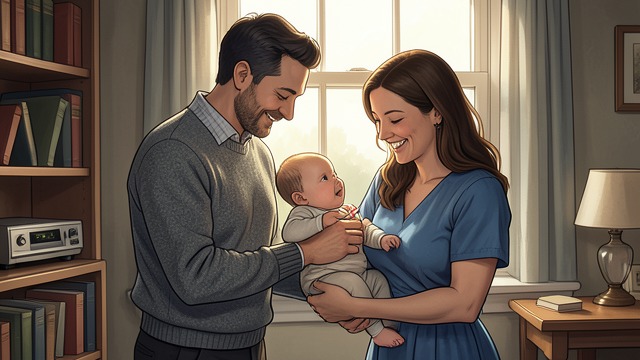
Dessa also becomes involved in caring for Tyffanie, the daughter Joy leaves behind. She and Dominick develop a relationship with the child that is not a replacement for Angela but a new family bond. Their renewed closeness emerges through ordinary acts of care rather than a declaration that earlier injuries have vanished.
Remarriage and an altered future
Dominick eventually proposes to Dessa again, and she accepts. They remarry and adopt Tyffanie, creating a family after experiences of infant loss, divorce, illness, and betrayal. The reunion does not undo those experiences; it demonstrates that both people have changed enough to live with them differently.
Dominick’s future with Dessa is not a triumphant restoration of his first marriage. It is a deliberately rebuilt partnership that accommodates grief, uncertainty, and the child they now raise. His movement toward fatherhood also contrasts with his earlier belief that he was permanently “damaged goods.”
The Absent Father and the Father Who Remained
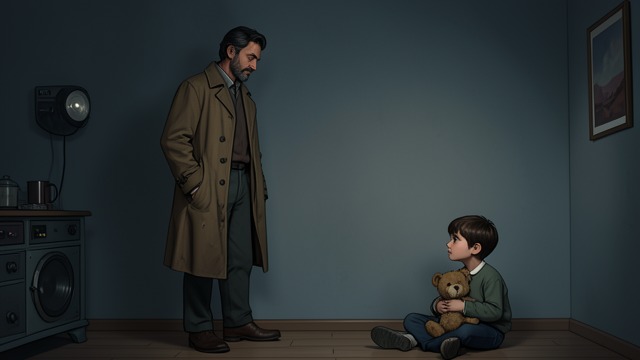
The Absent Father and the Father Who Remained
A lifelong search
As a child, Dominick invents possible biological fathers because Ma will not identify the man who fathered the twins. The unanswered question becomes part of his anger and of his fantasy that a powerful, rescuing father might appear to remove Ray from the family home.
That fantasy helps him avoid an uncomfortable truth: the actual man present is Ray, a stepfather who can be cruel and frightening but also provides materially and remains in the family. Dominick rejects the word “father” for years because it seems to excuse Ray’s past behavior.
A name, not a rescue
After Dominick’s fall, Ray tells him that Ma had named Henry as the biological father and that Henry died in the Korean War. The revelation does not create a relationship or erase the years of silence. It clarifies the historical fact while leaving Dominick to confront what a father can mean when the biological parent is absent.
Ray’s later vulnerability, his offer of practical help, and his admission that he struggled with Thomas reveal a relationship more complicated than Dominick’s childhood verdict allowed. Dominick does not simply forgive Ray or deny the abuse. He begins to recognize both the harm Ray caused and the imperfect care he was capable of giving.
Childhood through the first year at the University of Connecticut
May 1983 through the years after Angela’s death
After Ma’s death in 1987 through the fall of 1990
After Thomas’s death and into the years following 1991
From childhood questions about his origins through Ray’s death
