Brooklyn
I Know This Much Is TrueBrooklyn is the setting for a turning point in Domenico Tempesta’s courtship: a planned family visit becomes a meeting with his proposed bride, an abrupt rejection, and, weeks later, a marriage to another woman. In his retrospective account, the borough is less a portrait of urban life than a place where kinship, matchmaking, and marriage arrangements converge—and where Domenico’s expectations give way to a choice he makes under pressure.
Family Visit and Marriage Negotiations
In 1916, after moving into the house he had built in Three Rivers, Domenico wrote to his Brooklyn cousins to arrange a two-day Easter visit. He asked them to notify the Iaccoi brothers, who lived next door to them. The journey had a particular purpose: he expected at last to meet Prosperine Tucci, the woman presented to him as his bride-to-be. The families would set a wedding date and settle the dowry. Domenico also intended to add the cost of his train fare and a new three-piece suit to the asking price, treating both as expenses tied to the marriage visit and wedding.
At the cousins’ Easter table, Domenico delivered a speech in memory of his parents and two dead brothers. A child’s disruptive antics interrupted him; after the child snapped his garter, Domenico reached under the table and struck him. The resulting crying and commotion ended the speech. This scene places the marriage negotiations within a crowded family gathering, where Domenico’s effort to present himself solemnly and honor his dead is abruptly undercut by domestic disorder.
The Rejected Match
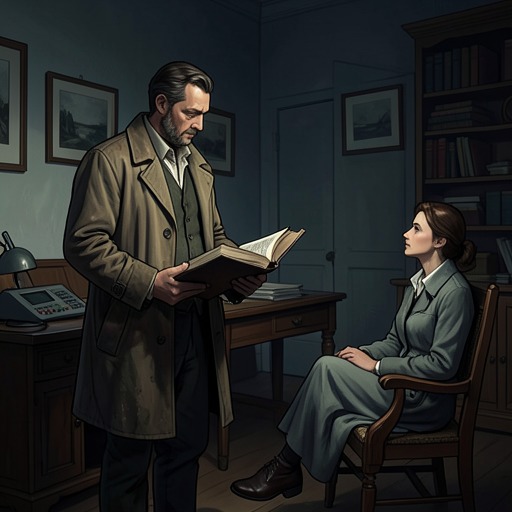
That evening, Domenico went to the Iaccois’ home to meet the woman they had promised him. The brothers welcomed him with ceremony, seating him in a large chair and bringing him a cigar and ashtray before calling their cousin Prosperine from the kitchen. Her appearance overturned his expectations. He believed the matchmakers had misrepresented her age and was angered by her resemblance, as he saw it, to Filippa, whose death had haunted the family. He shouted his refusal and pushed past the brothers toward the door.
The encounter did not end the negotiations. The Iaccois subsequently produced Ignazia’s immigration papers and a photograph; the papers established that she was eighteen. Domenico agreed to return and wait for her. The account connects this second prospect with the Brooklyn match-making episode, but records a starkly different outcome: Ignazia became his wife, while Prosperine remained present in the family story as the rejected proposed bride.
Marriage and Departure
On 12 May 1916, Domenico and Ignazia married in Brooklyn in a civil ceremony. Prosperine and Domenico’s cousin Vitaglio witnessed it. The ceremony completed the transition from the Easter visit’s bargaining and disrupted introductions to a formal marriage, but the return journey to Connecticut offered no suggestion of easy intimacy. There were not three seats together on the train, and Ignazia wanted to sit beside Prosperine rather than Domenico.
Brooklyn’s narrative significance rests on this sequence of reversals. It is first the destination for a visit organized around a negotiated match, then the site where Domenico rejects the bride he expected to marry, and finally the place where he marries Ignazia. The city binds family arrangements to personal choice, while the train ride away preserves an immediate sign of distance between the newly married couple.