Henry Joseph Drinkwater
I Know This Much Is TrueHenry Joseph Drinkwater is the biological father of Dominick Birdsey and Thomas Birdsey, but he dies in the Korean War before either son is born and never learns that they exist. For most of their lives, his identity is hidden from the twins. When Ray Birdsey finally names him, Henry becomes more than the answer to a question about their parentage: his grave and family history connect the brothers to relatives and ancestry they had not known about.
Identity and Background
Henry was born in 1919 and died in 1950, dates Dominick later reads on his gravestone. Ray’s account places him in military service in Europe, probably Germany, before he was sent to Korea after the fighting began. Ray says Henry was killed during the landing at Inchon, early in the war. The account offers no fuller portrait of his character or life; what the narrative establishes most firmly is the abruptness of his death and the lasting consequences of his absence.
Henry belonged to a large, mixed-ancestry family. Ralph Drinkwater identifies him as one of four siblings who lived to adulthood: Henry, Minnie, Lillian, and Asa, Ralph’s father. Their mother, Dulce, was Creole and Portuguese; their father, Nabby Drinkwater, was Wequonnoc, African, and Sioux. Henry’s death in Korea is one of several early losses in this family history: Lillian died of encephalitis, and Asa later died in a drunk-driving crash. Ralph’s account places Henry within the same extended family as Ralph and Penny Ann Drinkwater, making him their uncle and the twins’ paternal link to their cousins.
The Hidden Relationship
Henry and Connie Birdsey met through her father, Domenico Onofrio Tempesta, who knew Henry’s father from work at the mill and introduced the couple. Ray explains that Connie did not disclose the relationship or pregnancy because Henry was a Black man, and because, in the circumstances of the time, a child born outside marriage could bring severe consequences within her family. Ray says Domenico might have disowned her—or worse—had he known. The revelation is therefore bound up with both racial prejudice and the family’s practice of keeping dangerous truths unspoken.
Henry never came home from the war, and Ray says he never knew that Connie was carrying twins. His absence was not a choice made in response to his sons: he died before they were born. That distinction gives the disclosure its force. Dominick and Thomas grew up without knowing their biological father’s name or the paternal family to which he connected them, while the adults’ silence left them to imagine who their father might have been.
Revelation and Family Record
Ray’s disclosure comes with an initial confusion about the chronology. He first places Henry’s death several months after the twins’ birth; Dominick corrects him, recalling that Henry died before they were born. The grave’s dates, 1919–1950, give Dominick a material record against which to understand the story. The distinction matters: Henry did not abandon two children he had met. He never knew there were children to return to.
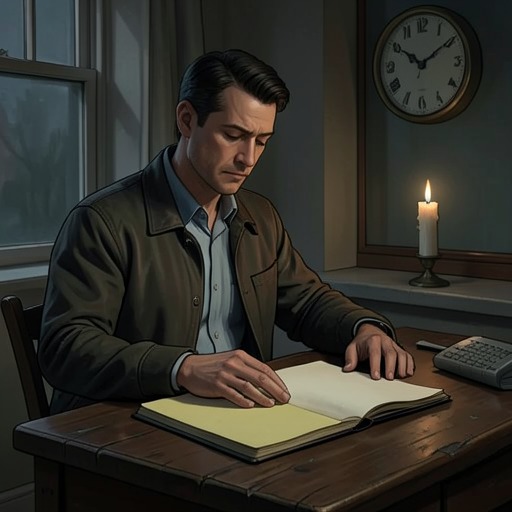
After hearing Ray’s account, Dominick visits the Indian cemetery and stands before Henry’s stone. The inscription identifies Henry by name and dates and records his military service. Dominick’s encounter is restrained: the grave provides a name and a chronology, but cannot supply a remembered relationship or tell him what Henry was like. Nearby, he hears the Sachem River and the Falls. The physical visit makes the revelation more than family hearsay, while leaving the emotional distance between father and son intact.
Ancestry and Narrative Significance
Dominick’s later conversation with Ralph expands the family connection beyond the name Ray has supplied. Ralph explains that Henry was his uncle and that Dominick and Thomas are cousins to Ralph and Penny Ann. He also recounts the histories of Henry’s siblings and the mixed ancestry of their parents. Henry’s significance thus extends beyond biological paternity: through him, the twins become part of a family whose branches include Wequonnoc, African, Creole, Portuguese, and Sioux ancestry.
Henry remains a figure known through other people’s accounts, a military record, and a gravestone rather than through scenes from his own life. That narrative absence mirrors the silence surrounding his relationship with Connie: the twins receive the fact of their father’s identity only after he is beyond reach. His brief place in the story nevertheless changes the boundaries of their family history. A name once withheld leads Dominick toward the Drinkwater relatives and gives the brothers a paternal past that had been concealed, not erased.