
The Boys Who Found Kathleen
I'll Be Gone in the DarkThis thread follows how Terry Keating and Dan Olis’s childhood encounter with a murdered neighbor remained an unsettled memory and later challenged the accepted account of her death.
increasing Bearing strength in each event
 decreasing
Bearing strength in each eventdecreasingThe Alley Discovery
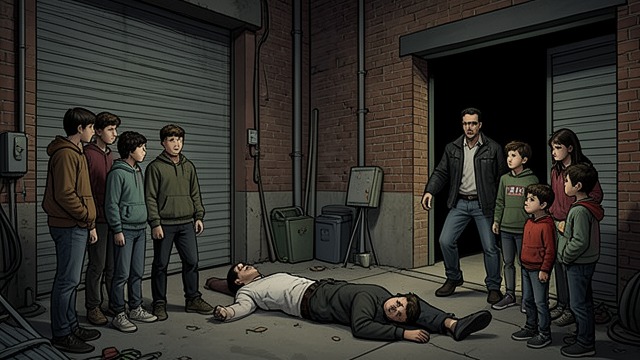
A Body in the Alley
The Discovery
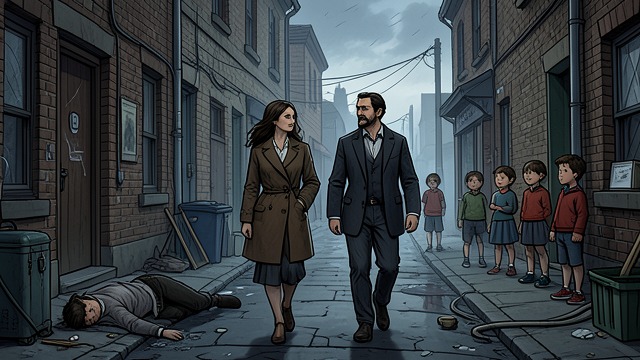
Terry Keating and a group of boys were walking through an Oak Park alley when they found Kathleen Lombardo lying beside a garage. The teenagers had been joking and playing nearby; the discovery turned an ordinary summer night into a scene they could not forget.
They recalled that Kathleen still showed signs of life when they found her, and that police arrived amid confusion and urgency. The boys also remembered a man emerging from the alley and asking what was happening without looking toward the body.
A Memory at Odds
The account they later heard was that they had arrived just after the killer left. Their recollection did not fit neatly with that explanation, leaving the boys to carry both the image of the scene and the sense that their observations had not been understood.
The case remained unsolved. The gap between official narrative and personal memory became the thread that kept their attention on the murder long after childhood had ended.
The Neighbor Recalled
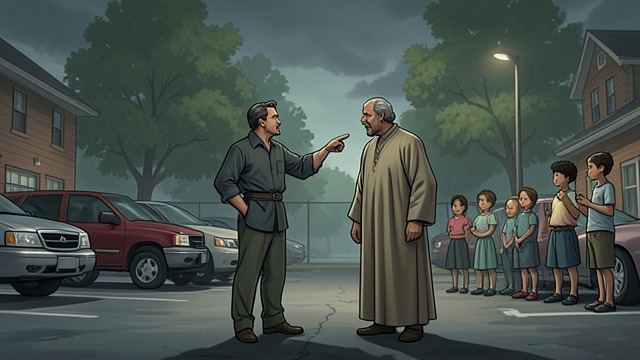
A Second Witness
The Concert Conversation
Years after the discovery, Terry Keating carpooled to a concert with Tom McBride, a neighbor from the street where Kathleen had been found. Their conversation turned to the murder, and McBride said he had always thought someone from the neighborhood was responsible.
That remark brought Terry back to the unfamiliar man he remembered near the alley. Terry described the encounter; McBride recognized the description as resembling a neighbor who had come outside during the police response, apparently in a robe after a shower.
A Shared Detail
McBride recalled that the neighbor had also asked, “What’s going on here?” The phrase matched Terry’s memory, giving the two men a point of agreement after years of holding separate fragments of the same night.
The exchange did not identify the killer or resolve the case. It did, however, persuade Terry that his memory of the man was not simply a confusion created by the shock of finding Kathleen.
Michelle Learns the Story
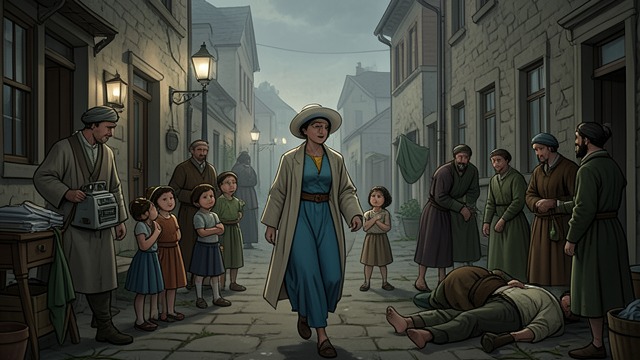
A Long-Delayed Account
An Unexpected Message
Decades after Kathleen’s murder, Michelle received an email from Dan Olis, who had learned about her crime reporting. Dan and Terry were still troubled by the case and believed that the prevailing account omitted a crucial part of what they had seen.
Dan told Michelle that the boys had encountered a man as they discovered Kathleen. The claim shifted the case in her mind from a familiar unresolved crime to a story with eyewitnesses who had never been fully heard.
Returning to the Scene
Michelle arranged to meet Terry in Oak Park. He led her back through the neighborhood and toward the alley, describing the route the boys had taken and the moment they recognized Kathleen’s body.
The meeting gave Michelle an opportunity to trace how a childhood memory had lasted into adulthood. It also tied her private interest in Kathleen’s murder to the larger search for answers that had shaped her own life.
Retracing the Alley
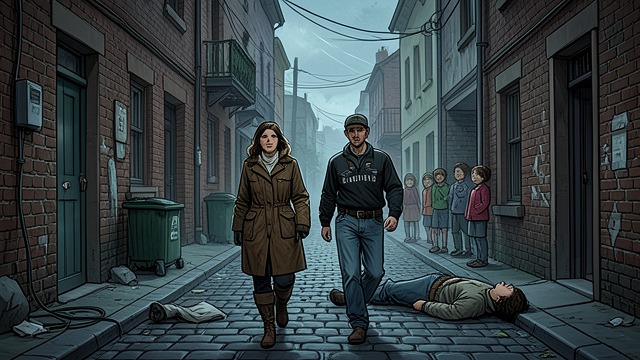
Walking the Old Route
A Familiar Neighborhood
On a cold, windy afternoon, Michelle and Terry walked toward the alley where the boys had found Kathleen. The streets had changed, but Terry could still point to where the group had been and where he thought he saw the man emerge.
He recalled mistaking Kathleen’s pale legs for a rolled rug in the darkness. Danny Olis, walking closest to her, recognized what they were seeing and called out that it was a body.
What Terry Remembered
Terry described the hurried response: one boy ran for help, another backed away in shock, and police arrived as the children tried to make sense of what had happened. His account included the man’s question and the detail that the stranger did not look toward Kathleen.
The walk did not supply a name or a definitive conclusion. Its value was more modest and more human: it preserved a witness’s recollection and showed how a violent discovery continued to shape those who had made it.
The Unanswered Case
A Question Still Open
No Identification
Terry’s account raised questions about the timing of the police arrival and the unidentified man’s presence, but it did not establish that the man was the killer. Memories recorded years after a traumatic event can be powerful without being conclusive, and the book leaves the identification unresolved.
Michelle continued to treat the case as part of her personal history. The broken Walkman pieces she remembered finding near the scene had first made the unknown killer’s identity feel like a question she could pursue.
The Continuing Search
Kathleen’s murder was never solved in the account presented here. The boys’ memories added detail to the record, while also demonstrating how incomplete a case can remain even when witnesses have returned to it.
The thread closes without an arrest or a final answer. Its resolution is instead an act of renewed attention: a childhood witness is listened to, the route is retraced, and the absence of certainty is acknowledged rather than concealed.
August 1984
Seven years after the murder
May 2013
June 29, 2013
Near the book’s ending
