
The Investigator’s Private Battle
I'll Be Gone in the DarkThis flow traces how investigators and Michelle McNamara struggle to sustain the hunt without letting uncertainty, exhaustion, and attachment to a solution overwhelm their judgment or lives.
increasing Bearing strength in each event
 decreasing
Bearing strength in each eventdecreasingShelby’s Frustration

Working Inside the Panic
A Detective on the Front Line
Richard Shelby and Carol Daly work the early Sacramento attacks as the offender’s methods become increasingly recognizable. They follow leads, interview frightened victims, and respond to a community that is demanding answers. Shelby’s blunt manner and clashes with superiors complicate a job already shaped by sleepless nights and mounting pressure.
The Limits of Control
The offender appears to evade patrols, exploit darkness, and move between neighborhoods before investigators can anticipate him. Shelby later acknowledges wrong turns and institutional failures, including neighbors who did not report suspicious activity and evidence that was not preserved. His frustration is sharpened by the sense that the offender can be near without ever becoming visible.
The conflict is between a detective’s determination and the practical limits of what one officer can observe or control. The series leaves lasting professional and personal strain even as the investigation continues.
Crompton’s Long Pursuit
A Case That Follows Home
From Crime Scene to Obsession
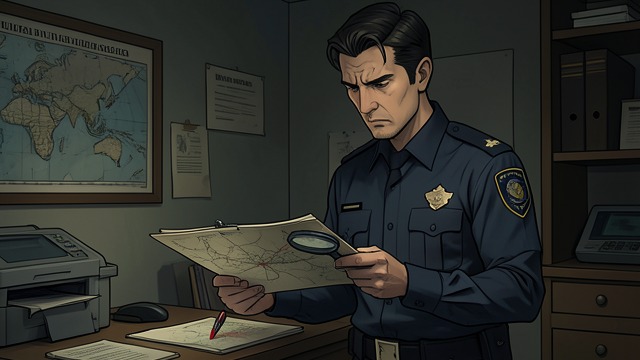
Larry Crompton works the East Bay attacks and becomes convinced that the offender is escalating. When rumors suggest that similar murders have occurred farther south, he tries to push the connection across jurisdictional boundaries. The resistance he meets only increases his fear that agencies are missing a larger, more dangerous series.
Carrying the Unfinished Case
Decades later, Crompton remains haunted by what he may have overlooked. His book records the investigation in detail, but its treatment of survivors, including Kathy, also reveals the danger of interpreting trauma through an investigator’s expectations. The case gives Crompton a lasting sense of responsibility, even though he cannot personally deliver an arrest.
His conflict is not only the inability to catch the offender. It is also the burden of living with an open question, and the challenge of distinguishing an investigator’s emotional certainty from what evidence can support.
Holes Reopens the File
Science Pulls Toward Investigation
Beyond the Laboratory
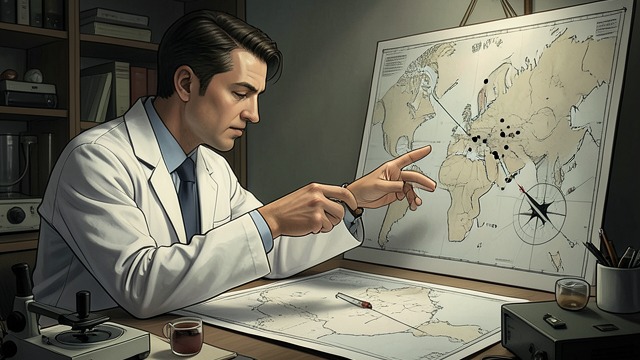
Paul Holes first encounters the case through old files and preserved evidence. His scientific work yields a DNA profile, but the profile also draws him toward investigative questions about geography, victims, and the offender’s possible work. The boundary between criminalist and investigator becomes increasingly difficult for him to maintain.
A Suspect Rejected
Holes revisits Jim Walther as a possible offender after questioning the old test that excluded him. He follows the lead deeply and finds a pattern that seems to fit, only for definitive DNA testing to rule Walther out. The result is a personal setback as well as a reminder that a compelling theory cannot override a forensic exclusion.
Holes’s conflict is between the appetite for a complete explanation and the discipline of evidence. Each promising lead renews the hunt, while every exclusion forces him to begin again with the uncertainty intact.
Michelle’s Rabbit Hole

Curiosity Becomes a Commitment
A Personal Origin
Michelle McNamara’s interest in unsolved crimes begins after the murder of her neighbor, Kathleen Lombardo, when she is fourteen. Years later, she builds True Crime Diary and turns online records into a form of amateur investigation. The Golden State Killer case offers an enormous, seemingly solvable puzzle, and she begins pursuing it at night after her family has gone to sleep.
Obsession and Daily Life
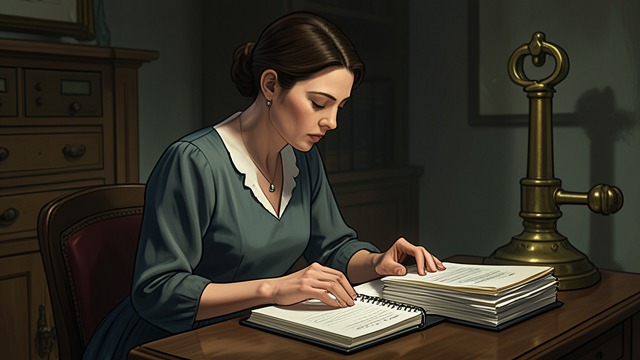
Michelle studies police reports, maps, yearbooks, and obscure details while balancing motherhood and marriage. The search begins to shape her habits and emotional life; she describes a scream lodged in her throat and startles awake violently after mistaking her husband for an intruder. Her husband, Patton Oswalt, supports her, but the intensity of the work makes ordinary boundaries increasingly difficult to keep.
The conflict is between the desire to identify a violent offender and the cost of living inside the case. Michelle recognizes the danger of becoming consumed, yet she continues because the evidence and the victims’ unfinished stories seem to demand attention.
Work Without Closure
An Unfinished Ending
Searching Through the Final Years
Michelle’s work intensifies as she examines suspects, follows forensic genealogy, and gains access to a large collection of case files. The records expand the possibilities rather than resolving them. She keeps lists of unanswered questions and plans for further interviews, even as the investigative process repeatedly moves from apparent breakthrough to elimination.
Others Carry the Work Forward
Michelle dies in 2016 before completing the book. Paul Haynes and Billy Jensen organize her research, distinguish her finished chapters from unfinished material, and explain the forensic and investigative avenues she left open. Patton Oswalt’s afterword remembers both her commitment to justice and the toll of her pursuit.
The conflict shifts from an individual researcher’s endurance to the obligations of those who inherit her work. The book gives shape to the investigation without supplying the identity or arrest its author hoped for, leaving the case—and the search—open.
1976–1977
1978–2013
1997–2014
2006–2012
2013–2017
