Lyman Smith
I'll Be Gone in the DarkLyman Smith was a well-known Ventura attorney nearing appointment to a superior court judgeship when he and his wife, Charlene, were murdered in their home in March 1980. The case first centered on a friend and former business partner, but the eventual DNA connection to other homicide cases transformed the investigation and made the Smith murders part of a broader serial-crime pattern.
Identity and Family
Smith was an established attorney with a prominent professional future. Charlene, his second wife, had formerly worked as his secretary. His twelve-year-old son, Gary, was from his first marriage. On March 16, 1980, Gary went to his father’s house to mow the lawn and discovered that Smith and Charlene had been killed.
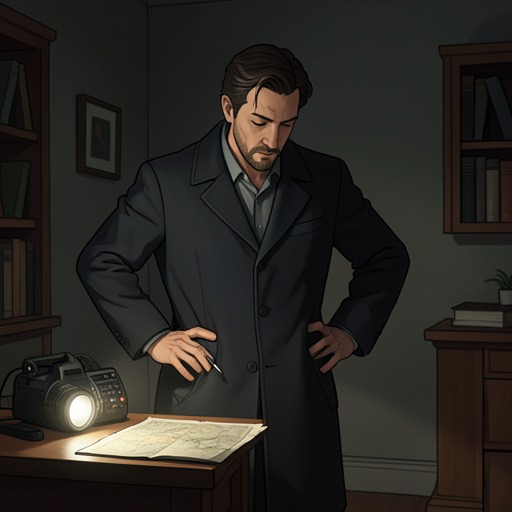
The home stood on a hill overlooking Ventura Harbor. Its outward appearance offered little indication of the instability and drama investigators believed might matter to the case. They considered the Smiths’ relationships and business affairs as they tried to determine whether the killings arose from a personal conflict or from an unknown assailant.
The Murder and Initial Investigation
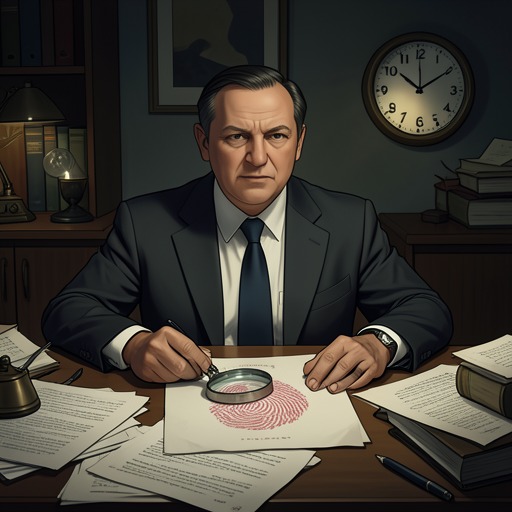
A case number from the Ventura Police Department in the Harrington file drew cold-case investigator Larry Pool’s attention to the Smith murders. At the time, the case had already focused on Joe Alsip, Smith’s friend and former business partner. Alsip had visited the couple the night before their deaths, and his fingerprint was found on a wine goblet. His minister also told police that Alsip had essentially confessed.
Alsip was arrested, and prosecutors proceeded to a preliminary hearing with confidence. His defense attorney, Richard Hanawalt, challenged the interpretation of the scene, presenting details that could suggest the work of an unknown intruder rather than someone familiar to the Smiths. The home had been dark, and a bathroom window gave a view into the bedroom; a piece of firewood from a nearby pile was identified as the likely object used in the attack. The evidence and its possible meanings did not settle the question of who had entered the house.
After the preliminary hearing, the Ventura County district attorney released Alsip for lack of evidence. Investigators returned to the beginning. Some believed the killer knew the Smiths; others considered a random, sexually motivated crime. The file remained in the investigators’ bullpen for years before eventually being moved to the evidence vault.
Forensic Evidence and a Wider Pattern
When Pool learned that the Orange County Sheriff’s Department had an unsolved serial case involving four homicide victims with similarities to the Smith case, he asked Ventura police to send over any remaining forensic evidence. The material that reached the Orange County Crime Lab consisted of two glass slides. Though routinely used in examining evidence from a rape kit, slides alone offered less biological material than investigators would have preferred.
On February 17, 1998, Pool received a report from criminalist Mary Hong: she had developed a DNA profile from semen on the slides, and Smith could be eliminated as its source. The profile matched those from the Harrington, Witthuhn, and Cruz cases. The laboratory result connected the Smith murders to a set of crimes previously investigated as separate cold cases, despite lingering skepticism among some Ventura investigators about the technology.
Change in the Case’s Meaning
The DNA match shifted the meaning of the Smith case. What had remained an unresolved question about whether the killer was an acquaintance or a stranger became part of a cross-county forensic link among multiple murders. The testing did not identify the killer in the initial investigation, but it supplied the connection that had eluded investigators and brought the Smith file into a wider serial-murder inquiry.
Smith’s significance in the book therefore rests both on his life as a prominent attorney and on the delayed interpretation of his death. The case illustrates how an investigation once organized around a suspect and a contested set of circumstances could be reoriented by biological evidence preserved for years. The two slides, modest remnants of an old case, helped replace competing theories with a demonstrable link to other victims.