
The Church as Refuge and Witness
I'm Still HereThis flow traces Austin's changing relationship with Black church life, from childhood discovery to comfort after racial terror.
increasing Bearing strength in each event
 decreasing
Bearing strength in each eventdecreasingA New Sunday Ritual

A New Sunday Ritual
Entering unfamiliar worship
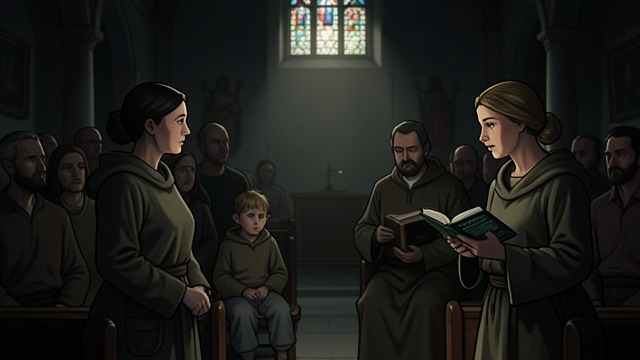
Austin's family begins attending a Black church in Toledo. She moves from school chapel services into a sanctuary filled with congregants, music, and practices she has not encountered before.
Recognition and delight
The choir, preacher, and congregation make faith feel embodied and communal. Austin falls in love with a Jesus Christ who cares about Black people and the difficulties of their daily lives.
A God With Community Concerns
A God With Community Concerns
More than individual salvation
Austin hears sermons that connect spiritual life with illness, poverty, addiction, grief, and broken relationships. Church members are reminded that hardship matters and that their lives remain held within a larger story.
Belonging through practice
The congregation's forms of welcome and worship teach Austin that faith can address both the soul and the conditions of communal life. The church becomes a place where her identity is not treated as something to set aside.
Learning a Wider Black Faith
Learning a Wider Black Faith
A name for what she knew
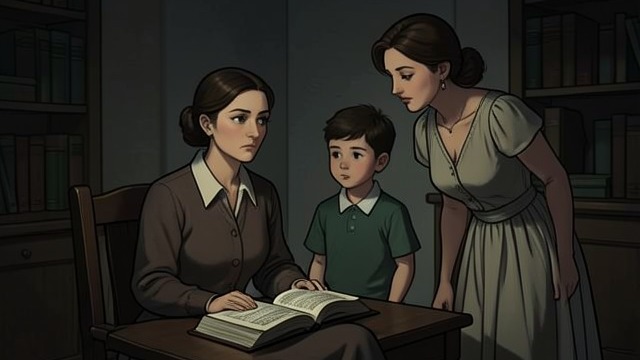
Austin later encounters James Cone and Black liberation theology, recognizing intellectual language for a spiritual reality she had met as a child. Her early church experience already contained a theology concerned with liberation and ordinary life.
Memory becomes understanding
Academic study deepens rather than replaces what Austin learned through worship. She sees that Black church practice carried a serious account of God, community, and justice long before she knew its formal terms.
A Church Attacked

A Church Attacked
News reaches Austin
Austin sees news of a shooting at Emanuel African Methodist Episcopal Church and immediately fears that the attack is racially motivated. Though she has never visited the church, the violence feels close to her own home congregation.
Fear beyond the target
The possibility of copycat violence keeps Austin awake and makes her imagine danger at other Black churches. The attack demonstrates how terror is intended to travel beyond the people directly harmed.
Returning to the Sanctuary
Returning to the Sanctuary
Seeking familiar worship
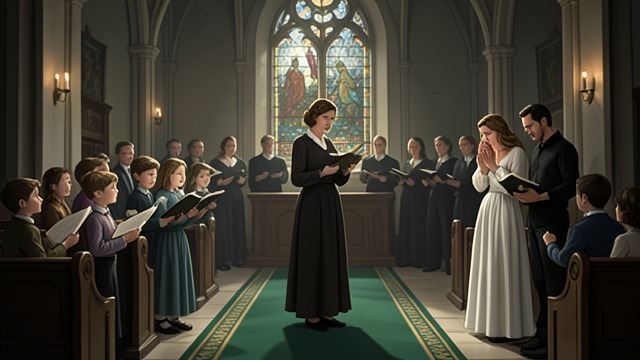
Austin returns to her childhood church and finds many old practices still present, even though the green carpet is gone. The familiar songs and gestures restore a sense of connection after fear.
A living community
Children recite Scripture, the choir sings, and the congregation worships together. Austin cries through the service but also discovers that terror has not erased the community's capacity to gather and continue.
After Austin's father remarries
During Austin's early years at the church
In adulthood, after studying Black liberation theology
The night of June 17, 2015
The Sunday after the Charleston attack
