Hope
I'm Still HereHope, as Austin understands it, is not a guarantee that suffering will end or that effort will prevail. It is a fragile commitment to continue without assurance of success: to speak, write, love, and work in the dark, and to live anyway. Its strength lies not in certainty but in the willingness to act even when hope itself can die.
A Shadow, Not a Promise
Austin describes hope as a shadow: a place from which she can still demand a love that matters, even when the sun is setting behind her and its light seems as distant as the stars. The image refuses the easy equation of hope with brightness. Hope’s limitations are real and must be allowed to settle; warmth is not promised, and faith does not require it.
That admission does not cancel the demand. Austin insists that she must continue to ask for meaningful love even while possessing not hope’s strength but its weakness and fragility. The tension is central to her idea: hope matters precisely because it can fail, and because continuing cannot depend on certainty that it will succeed.
The Work of Continuing
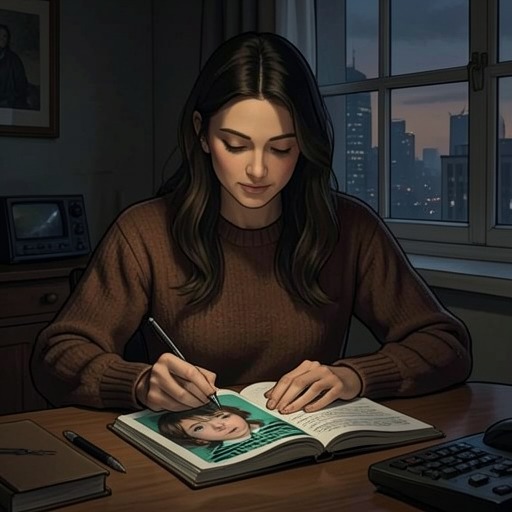
Hope takes practical forms in Austin’s account. It is speaking and writing anyway, loving anyway, enduring disappointment, and then returning to work. The effort may be small in its reach: she considers the possibility that the book will be read only by her mother, and recognizes that her words may never be powerful or weighty enough to change everything. Neither possibility releases her from writing or pushing back.
This persistence is not presented as proof that each act will produce a visible result. Austin works without knowing whether anything she does will make a difference. The repeated choice to act despite that uncertainty makes hope a practice rather than a forecast: its measure is continued work, not guaranteed victory.
Inheritance and the Duty to Live
For Austin, the right to keep demanding love is a birthright, bound to what her ancestors endured, what her parents taught her, and the Blackness that rescued her. Hope therefore carries both personal and inherited weight. Surrendering simply because she longs for the sun’s warmth would disregard the history and care that made continued life possible.
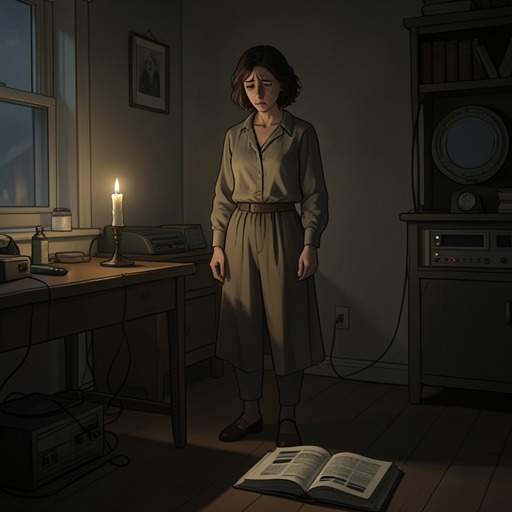
The ending holds light and shadow together. When the sun happens to shine, Austin receives its rays, but she knows she cannot remain there; that is not the place where she can stand. She abides in the shadows and lets hope have both its day and its death. The conclusion does not promise that hope will survive intact. It makes living anyway a duty that remains, even when hope is fragile or gone.