
Thoughts and Actions
I'm Thinking of Ending ThingsThe repeated claim that thoughts are more authentic than actions frames both the narrator’s private doubts and Jake’s final choices.
increasing Bearing strength in each event
 decreasing
Bearing strength in each eventdecreasingThe Governing Thought

The Governing Thought
A private conviction
The narrator says she is thinking of ending things and insists that a thought cannot be faked. The claim establishes inwardness as a privileged kind of truth.
Action remains ambiguous
Her behavior toward Jake does not consistently reveal her decision. The novel begins by separating what a person does from what a person privately thinks.
Unspoken Doubts
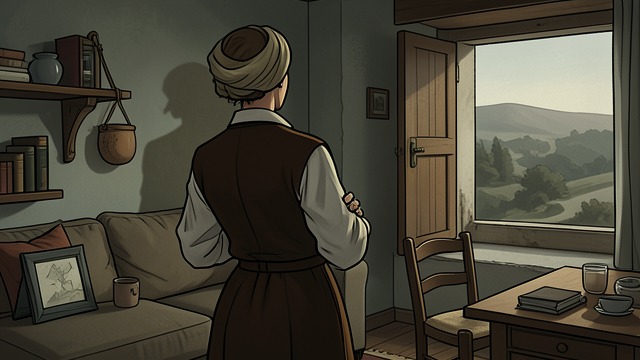
Unspoken Doubts
Questions withheld
The narrator wonders whether she should stay with Jake but does not tell him. Her silence allows ordinary tenderness to coexist with an impending breakup.
Truth without communication
The private thought feels real to her, yet it cannot guide Jake unless she communicates it. The relationship is shaped by the gap between inner conviction and outward behavior.
Performance and Imitation
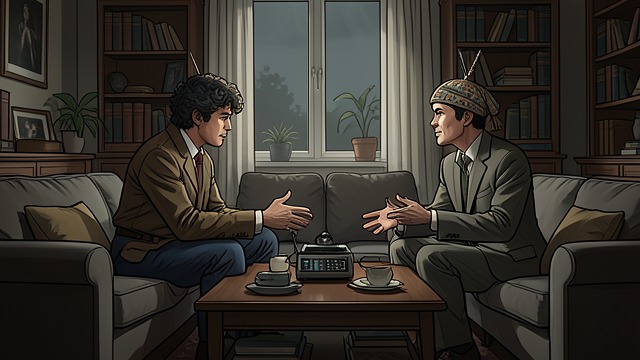
Performance and Imitation
Actions put on display
Jake and the narrator imitate one another in front of Jake’s parents. Their gestures and voices appear to reveal knowledge, but they are still performances.
The uncertain self
The scene complicates the idea that actions are merely disguises. Imitation can expose observation while leaving motive and identity unresolved.
The Thought Becomes Plot
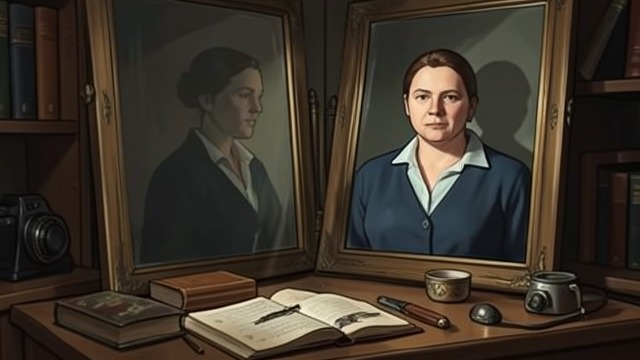
The Thought Becomes Plot
An imagined relationship
The narrator’s breakup thought becomes part of a larger story in which Jake fears being abandoned. A private idea takes on consequences inside his imagined world.
Inwardness without rescue
The story implies that thoughts matter deeply, but they do not automatically create connection. Jake’s knowledge of the imagined thought cannot turn it into a conversation between two people.
The Final Action
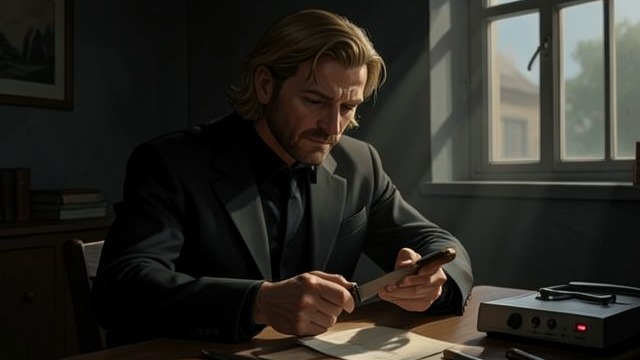
The Final Action
Thought meets consequence
Jake’s reflections culminate in a deliberate, fatal act. The distinction between thought and action cannot shield him from what the action does.
A grim resolution
The final choice gives physical force to the novel’s questions about authenticity and responsibility. Inner suffering is real, but action changes the world irreversibly.
At the novel’s opening
During the early relationship
At dinner in the farmhouse
At the remote school
At the novel’s climax
