
The Question of Good and Evil
I'm Thinking of Ending ThingsAn adult’s childhood test of goodness returns as the novel rejects easy moral categories and turns toward a more painful question.
increasing Bearing strength in each event
 decreasing
Bearing strength in each eventdecreasingThe Child’s Test
The Child’s Test
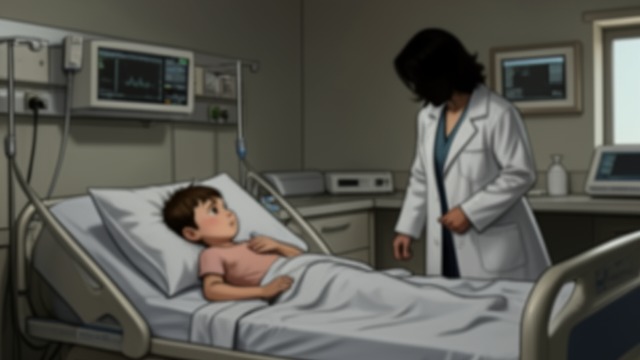
A forced choice
Ms. Veal asks the sick child whether she is good or bad and threatens that a bad child may have to live with her. The question frightens rather than guides.
Morality without safety
The child has no way to evaluate the adult’s motives. A moral label becomes a threat wielded by someone with greater power.
The Cookie and Suspicion
The Cookie and Suspicion
A causal story forms
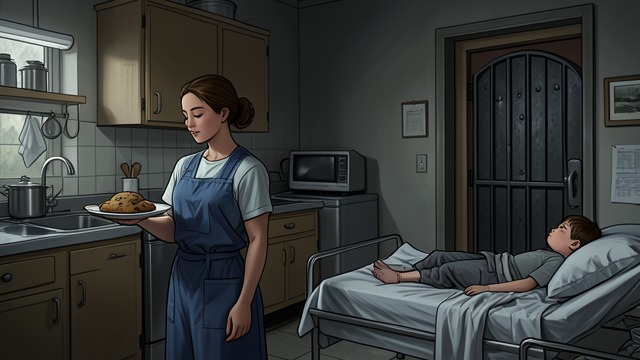
The narrator’s mother becomes sick after eating Ms. Veal’s cookie, while the child does not. The narrator concludes that the cookie caused the illness.
Certainty without proof
Her conclusion may be right or mistaken, but it becomes emotionally decisive. The child learns to trust an interpretation that no adult confirms.
The Question Returns
The Question Returns
Childhood words recur
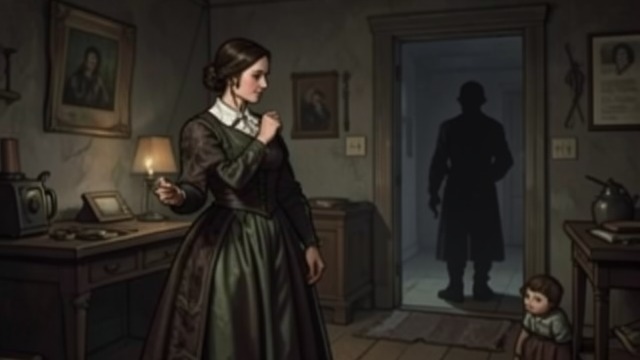
The narrator remembers Ms. Veal asking whether she is good or bad while hiding from danger in the school. The old question now feels more threatening than answerable.
Judgment fails
Neither the narrator nor the reader can classify people with certainty from limited actions. The novel challenges the comfort of dividing the world into good and bad.
A Different Question
A Different Question
Moral labels fall away
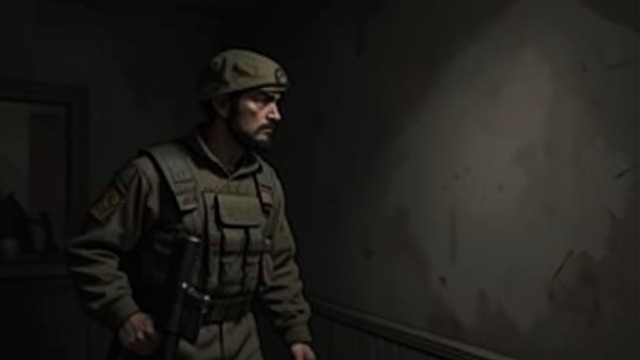
The ending says that good or bad was the wrong question. It cannot resolve the human situation the story has created.
Choice takes precedence
Attention shifts from judging character to deciding whether to continue. The change is not a moral solution but a more difficult confrontation with agency.
Grace in Choosing
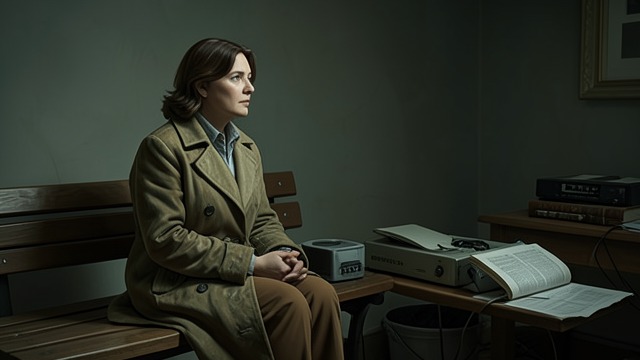
Grace in Choosing
A final appeal
The closing voice asks whether there is grace in doing the right thing. The phrase offers a fragile moral language after the earlier binary has failed.
No easy judgment
The narrative does not make the final act a general answer or a simple moral lesson. It leaves readers to confront the distance between understanding pain and endorsing a choice.
When the narrator is seven
The night after the visit
During the school ordeal
Near the novel’s close
At the final moment
