
The Meaning of One Question
I'm Thinking of Ending ThingsThe recurring question shifts from puzzles and uncertainty toward an unavoidable decision about whether life should continue.
increasing Bearing strength in each event
 decreasing
Bearing strength in each eventdecreasingA Question from Jung
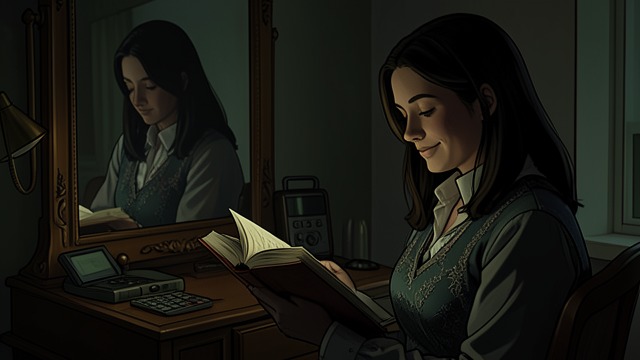
A Question from Jung
Life addresses the self
Doug reads a passage suggesting that life asks each person a question and that each person must answer. The idea joins experience with responsibility.
A private puzzle
The lesson stays with the narrator because it treats living as an ongoing exchange rather than a solved problem. Its language returns in altered form later.
A Question in the Voicemail
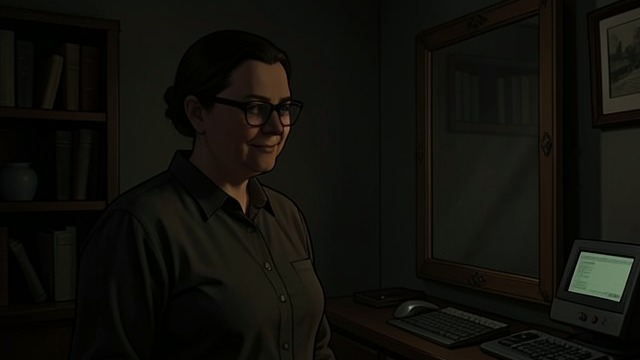
A Question in the Voicemail
The message’s refrain
The Caller repeats that only one question remains to be resolved. The line accompanies fear without naming a clear answer.
Suspense through omission
The unanswered question gives the calls their power. The narrator’s uncertainty grows because the voice seems to know the emotional shape of her private dilemma.
Questions as Companionship
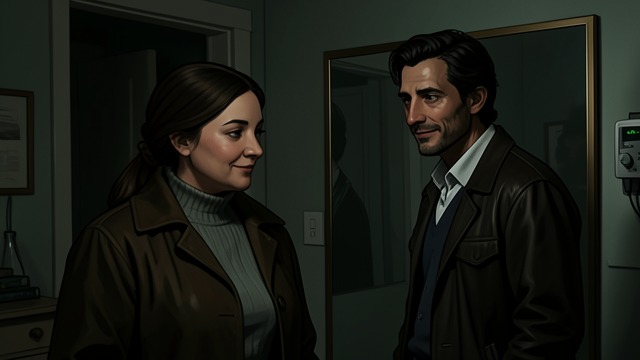
Questions as Companionship
Uncertainty valued
The narrator tells Jake that questions can be better than answers because they keep people curious and connected. She accepts that some things cannot be fully known.
A moment of shared thought
Jake responds warmly to her reflection about a dark but not wholly empty universe. For a moment, uncertainty becomes a form of intimacy rather than threat.
The Moral Question Fails
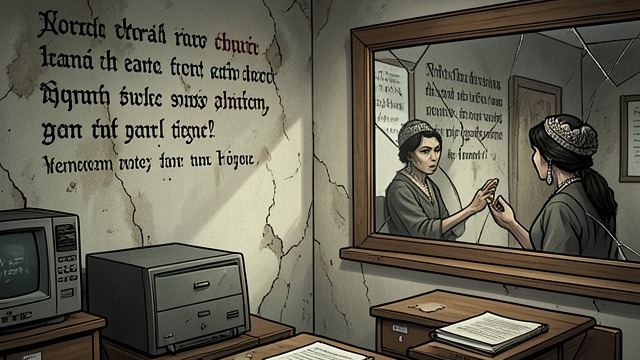
The Moral Question Fails
A childhood demand returns
The question of whether someone is good or bad resurfaces through the memory of Ms. Veal and the school’s inscriptions. The narrator recognizes that it cannot sort human beings cleanly.
A different question emerges
The novel moves away from moral classification toward a choice about continuing. The shift makes the problem existential rather than a simple judgment of character.
The Answer at the End
The Answer at the End
Choice without certainty
The final reflections identify the remaining question as whether to go on. The narrative presents the choice as intimate, grave, and impossible to answer on behalf of another.
An irreversible response
Jake’s action supplies a tragic answer within the story. The frame leaves readers with the question rather than offering a universal resolution.
During the teenage driving lesson
During the weeks of repeated calls
During the conversation about space
During the school ordeal
At the final scene
