
The Choice to Keep Living
I'm Thinking of Ending ThingsThe novel’s repeated language of choice leads from philosophical reflection to Jake’s final act, while refusing to make that act a simple moral solution.
increasing Bearing strength in each event
 decreasing
Bearing strength in each eventdecreasingChoice in a Conversation
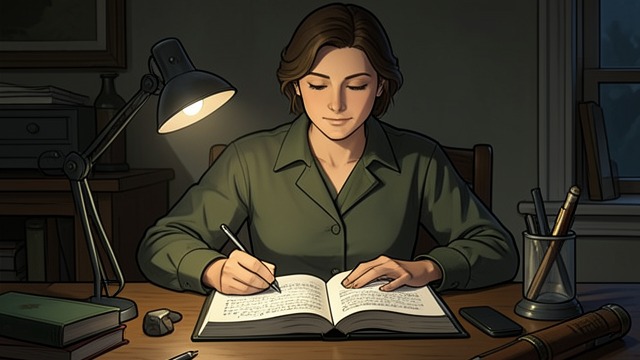
Choice in a Conversation
Life as deliberate response
The remembered Jung passage suggests that life asks a question and each person must answer. The idea gives agency a central place in the story.
Choice without full knowledge
The characters cannot know the consequences of every decision. The passage makes action necessary even when certainty is unavailable.
The Option of Solitude
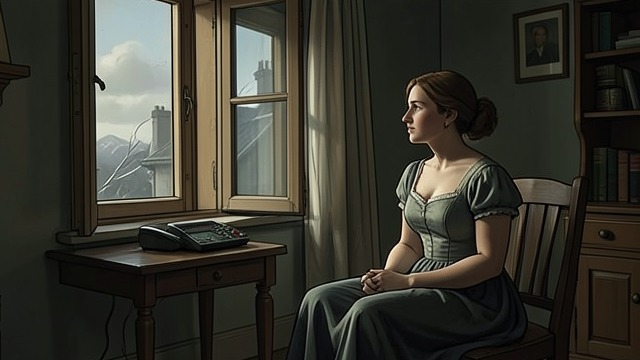
The Option of Solitude
A life without coupling
The narrator wonders whether independence might be preferable to a lasting relationship. She recognizes both the freedoms of solitude and its loneliness.
Choice is personal
The book does not treat partnership as a universal solution. Its value depends on whether connection is genuinely possible and chosen.
The School’s Invitation
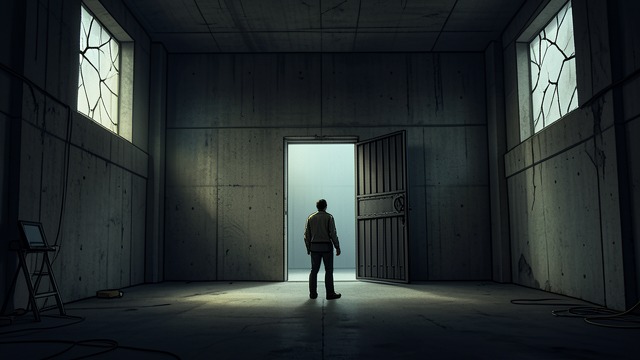
The School’s Invitation
A slogan becomes a question
A banner asks what its viewers are waiting for. Inside the empty school, the words no longer advertise a dance but seem to address the narrator’s fear and delay.
Future and danger collide
The school is supposed to represent growth and possibility, yet offers no visible way out. Its promise of a future becomes painfully uncertain.
The Decision Narrows
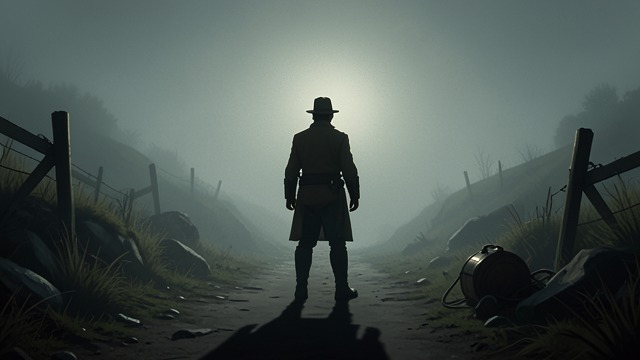
The Decision Narrows
No easy release
The closing voice considers whether death might end suffering, then acknowledges that no certainty is available. The question grows more urgent as the story closes in.
Agency under pressure
Choice remains present, but the narrative does not make it simple or universally applicable. The character’s isolation limits the sense of alternatives.
The Unanswered Aftermath
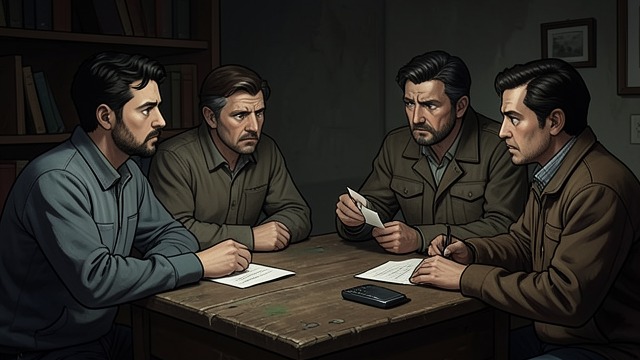
The Unanswered Aftermath
A death is reported
The closing frame returns to others trying to understand the man’s death and the writing he left behind. Their questions do not produce agreement.
Readers inherit the question
The novel leaves the choice of whether to continue as a moral and emotional problem rather than an instruction. Its final uncertainty is part of its meaning.
During the drive toward the farm
During the narrator’s reflections on relationships
During the school ordeal
In the final hours
After the final act
