Jake's Parents' Farm
I'm Thinking of Ending ThingsJake's Parents' Farm is the destination of the narrator's first visit to Jake's family, but the place arrives under a cloud of unease rather than anticipation. The long drive is also the couple's first trip together, and the narrator finds herself feeling nostalgic about a relationship that has barely begun. At the farm, ordinary details—a dark house, a frigid walk, sheep in a barn, old furniture—gather into a portrait of a place that seems to belong to another time, while leaving the family life within it only partly visible.
Arrival and Exterior
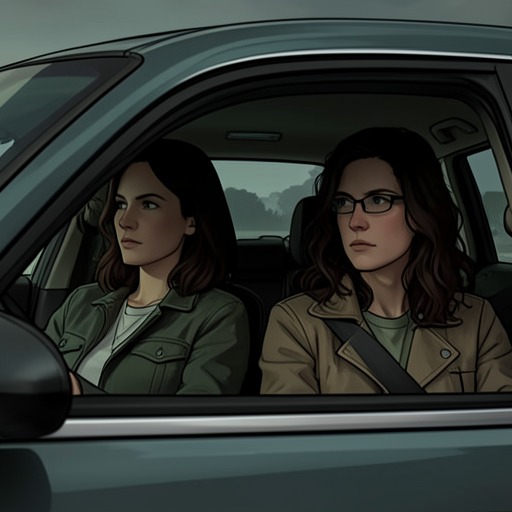
The visit begins before the farm comes into view. Jake is the narrator's relatively new boyfriend, and this is their first long drive and first trip together. Though she thinks she should be excited about the beginning of what might become many shared journeys, she instead feels nostalgic about Jake and their relationship. That mismatch establishes the farm as more than a destination: it is a threshold into his family world at a moment when the narrator is already measuring the new relationship against an imagined past.
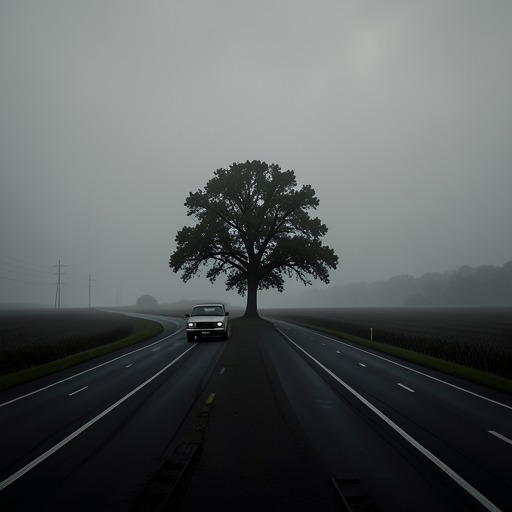
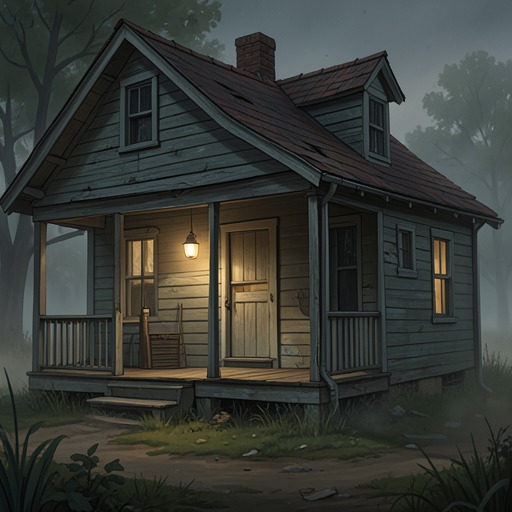
The final approach is slow and rough. The car follows the farm's potholed driveway for about a minute, with trees lining both sides and gravel and dirt grinding beneath the tires. At the end stands a stone house that appears modest in size from the car. A wooden deck runs along one side, and the couple parks to the right. No other vehicles are visible. One light shines from what Jake identifies as the kitchen, while the rest of the house is dark; the narrator notices the absence of cars and wonders whether his parents have one.
The house looks worn rather than picturesque. Smoke, apparently from a woodstove, is the first thing the narrator smells after stepping out of the car. She imagines the property might once have been pretty, but now sees paint needed on the windowsills and trim, a largely rotting porch, and a porch swing that is torn and rusted. The contrast between the stone house's potential charm and its present neglect gives the arrival a distinct physical texture without explaining the family's circumstances.
Jake does not go inside immediately. When the narrator has already started toward the house, he asks to take a walk first after sitting in the car for so long. His choice shifts the visit from a direct introduction to his parents into a tour of the grounds, extending the interval before the narrator enters the family home. He calls it an abridged tour, but the detour gives her a first view of the property through his attention to it.
Grounds and Farm Buildings
The tour takes place on a blustery, bitterly cold night. Jake points out the apple orchard and the areas used for vegetable gardens in summer, describing a landscape whose seasonal life is largely absent in winter. The narrator is cold and hungry, and the snow crunches underfoot. Jake's hands are red, while the stone path between the lane and barn is uneven and crumbling. The farm is therefore introduced not as an expansive pastoral refuge but as a working place encountered in harsh weather, through damaged paths and dormant gardens.
In the old barn, Jake explains that the sheep are inside and that his father probably gave them grain about an hour earlier. The upper half of a wide door opens, and the pair enter. In the dim light, most of the sheep are lying down while a few chew. Their breath rises in the cold air; they look vacant and seem immobilized by it. The barn itself is makeshift and deteriorating, with thin plywood walls, cedar pillars, a sheet-metal roof, and cracks or holes in several places. The sheep and their shelter give the farm a concrete working presence, but the scene also emphasizes exposure: both animals and building appear held in place by the cold.
After leaving the coop, the narrator is glad to escape its smell. Later, the couple walks behind the house, leaving the path to make their way through unshoveled snow. The narrator presses her chin to her chest for warmth and feels famished. Looking up, she sees a gaunt, long-haired woman standing at an upstairs window and looking down at them. The narrator waves and asks Jake whether the figure is his mother, but receives no response from the window. Jake suggests that the woman probably cannot see them because it is too dark outside. The sight offers a possible glimpse of the family, not a confirmed identification or encounter, and leaves the house's occupants distant even when one is visible.
The House Interior
The interior initially differs from the impression made by the neglected exterior. The living room is large and contains hand-me-down furniture, rugs, and many wooden tables and chairs. The narrator registers each piece and trinket as distinct, while also noticing that few elements of the decor match. Almost everything looks antique; she cannot identify anything bought within the past twenty years. The room might be charming, she allows, but its accumulation of old objects makes it feel as if the couple has stepped back several decades.
Music reinforces that effect. The narrator cannot locate its source and is unsure whether she hears Hank Williams, Bill Monroe, or Johnny Cash; it sounds like a record playing on vinyl. Its uncertain origin matters to the impression of the room: the past is present as atmosphere, but its source remains out of sight. Jake points toward the staircase outside the living room and says that the bedrooms are upstairs. He postpones showing the narrator those rooms until after supper, describing the house as old and not fancy. The visit thus proceeds by partial access: the narrator sees the living room and the upstairs window, but the family and the rest of the house remain for later.
Narrative Significance
The farm is presented through the narrator's close attention to material details rather than through an explanation of Jake's family. The dark windows, absent vehicles, damaged porch, crumbling path, and patched barn establish physical neglect; the orchard and summer gardens suggest a more cultivated landscape that winter has hidden. Inside, old furniture and uncertain music replace the exterior's exposure with a dense, timeworn domesticity. These contrasts let the setting carry the narrator's disorientation without resolving it into a definite judgment about the people who live there.
The farm also makes the beginning of the relationship feel less like a simple introduction than an approach marked by delay and incomplete knowledge. The narrator arrives already troubled by nostalgia, is kept outside while Jake tours the property, sees a woman at a window without establishing who she is, and enters a home whose upstairs rooms are still unseen. The place's strongest narrative effect is this gradual, uneven disclosure: each part of the farm offers something concrete to observe, while the family life behind those details remains only partly accessible.