Mysterious Calls from the Narrator's Own Number
I'm Thinking of Ending ThingsMysterious Calls from the Narrator's Own Number begin as an apparently ordinary wrong number and become an intimate, unexplained intrusion: The Caller repeatedly rings from the narrator’s own number, usually in the middle of the night, and leaves messages that seem fixed until one acquires a new, frightening ending. The calls matter not only for their impossible origin but for the way their recurrence reorganizes the narrator’s attention, sleep, and sense of privacy. Their cause remains unexplained in the evidence, while their increasingly personal content makes it harder to dismiss them as harmless.
First Contact and the Impossible Number
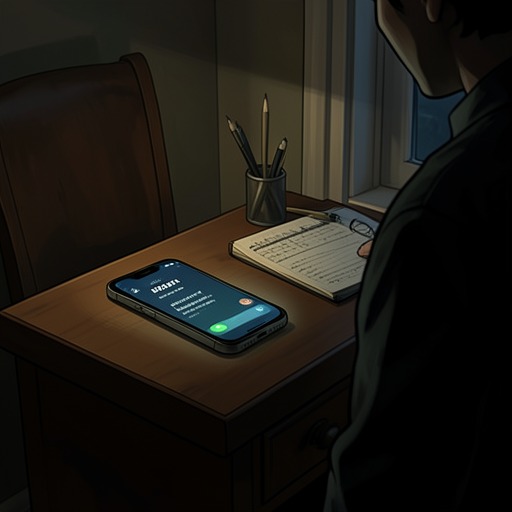
The first call comes on the same night the narrator meets Jake at the pub. It wakes the narrator from deep sleep and initially seems to be no more than a wrong number. The Caller’s voice is the detail that makes the exchange strange: a strained, subdued delivery, with a distorted, feminine quality that does not sound familiar. When the narrator explains that the number must be wrong, The Caller apologizes and hangs up. The brief exchange appears finished, and the narrator forgets it for a time.
The next day, however, the narrator finds two missed calls received during the night. Both display the same number as the first call, but that number is the narrator’s own. The narrator checks the missed-calls list again, first suspecting an error and then confirming that the calls really appear there. The reversal changes the nature of the incident: the disturbance is no longer simply an unknown person reaching the wrong phone, but repeated contact that seems to originate from the person being called. The evidence offers no explanation for how this can happen.
Repetition, Messages, and Secrecy
Three or four days later, The Caller leaves the first voicemail. The narrator saves it, and keeps all the messages; by this point there are seven. The messages are not straightforward threats. The voice sounds sad, perhaps frustrated, and the words seem nonsensical without being mere babble. Most unnervingly, the messages remain the same word for word. The narrator listens to the first one repeatedly, trying to recognize the voice, but cannot identify it.
The recurring message centers on a single question that must be resolved and an insistence that an answer is due. Its repeated wording gives the calls a strange, constrained form: The Caller speaks, but does not converse. When the narrator tries to answer a call, The Caller hangs up; the messages, rather than an exchange, are the preferred mode of contact. The narrator is unsure what the words mean, yet their exact repetition makes them difficult to treat as random noise.
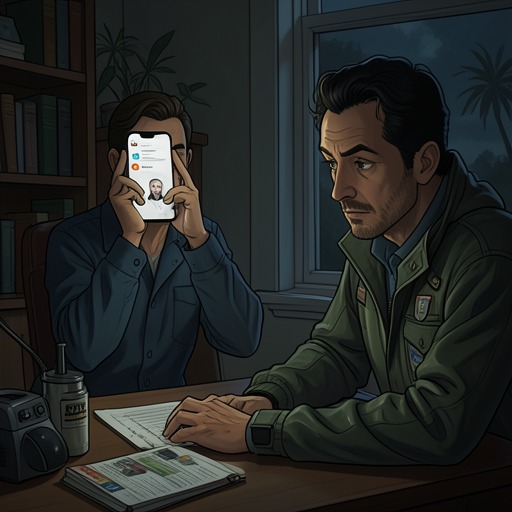
The calls become a private secret within the narrator’s new relationship with Jake. The narrator thinks about telling him, and wonders whether keeping the messages might eventually make that disclosure possible, but does not tell him. On one occasion, while the two are watching a movie in bed, the narrator sees a call from the narrator’s own number and silently hands the phone to Jake. Jake answers, says an old woman has called the wrong number, and returns to the movie without apparent concern. The narrator says nothing about the real pattern and sleeps poorly that night. The contrast is stark: Jake encounters a single odd call, while the narrator carries the knowledge of the repeated calls and their saved messages.
Night Calls and Their Effects
The calls often arrive while the narrator is asleep, around 3:00 a.m., and always appear to come from the narrator’s number. On one night The Caller rings twelve times without leaving a message. The number of calls makes the intrusion harder to dismiss, but the narrator still sees no clear means of stopping it. The Caller has not threatened violence or said anything explicitly harmful, and attempts to speak directly have ended with a hang-up. The absence of an overt threat is part of what makes the situation difficult to interpret rather than reassuring.
The disturbance also enters the narrator’s nights when the phone is not the only focus. Since the calls began, the narrator has had frightening dreams and has twice woken in a panic, feeling that someone is in the apartment, close by and watching. For a short time the narrator cannot move; then, fully awake, the narrator goes to the bathroom. In the quiet apartment, the running sink sounds unusually loud. The narrator’s heart pounds, and on one occasion sweat is heavy enough to require changing pajamas. These episodes make the threat feel bodily and immediate, even though the narrator cannot confirm that anyone is physically present. The calls thus extend beyond the phone: they disturb sleep and make the narrator’s own home feel less secure.
The Changed Message and Decision to Answer
The pattern shifts when a later message retains its familiar wording but adds something at the end. The narrator describes this as the point when the situation has gone too far. The new ending is the worst and creepiest message yet; the narrator cannot sleep that night and feels frightened, as well as foolish for not stopping the calls sooner or telling Jake. The message turns repetition into escalation: the old, fixed words are still there, but the addition makes the contact seem newly directed at the narrator.
The Caller’s added words claim intimate knowledge of the narrator’s appearance and body: “Now I’m going to say something that will upset you: I know what you look like. I know your feet and hands and your skin. I know your head and your hair and your heart. You shouldn’t bite your nails.” The final remark connects the message to a visible personal habit, making its claim of knowledge more unsettling than the earlier cryptic refrain. It is the first concrete detail in the material that makes the messages feel specifically personal rather than merely strange.
After hearing it, the narrator decides to answer the next call and tell The Caller to stop, even if no response comes. The decision is a change from listening, saving, and withholding the secret to preparing for direct confrontation. The evidence ends as the phone rings, just as the narrator has resolved to speak. It does not yet establish what happens in that conversation, leaving the calls’ origin and the outcome of the attempted confrontation open.