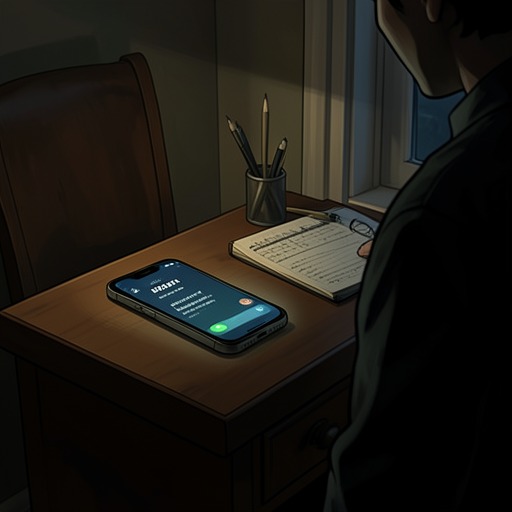
Narrator's Apartment
I'm Thinking of Ending ThingsNarrator's Apartment is both a setting for the narrator’s growing closeness with Jake and the private space where The Caller’s unexplained calls become difficult to ignore. The bed, kitchen, and bathroom sink are not merely domestic details: each marks a different part of the apartment’s double character, as a place of intimacy, interruption, and fearful waking.
Setting and Domestic Life
The apartment is presented through a handful of ordinary interior spaces rather than a broad description of its layout. The bed is where the narrator and Jake become intimate and later sleep; the kitchen is where the phone rings in the night; and the bathroom sink becomes part of the narrator’s response to waking in panic. These details make the place feel lived in without establishing more than the narrative shows.
The apartment is also a private setting for the narrator’s relationship with Jake. After dinner there, they share soup and a bottle of gin, passing it between them before moving from the couch to the bed. The encounter is unplanned and more urgent than their previous moments of making out. In the dark, Jake repeatedly asks to be kissed, while the narrator can barely see him. The scene’s closeness is therefore conveyed through touch, repeated words, and sound as much as sight.
Intimacy and Interruption
Afterward, Jake lies on his side facing the narrator and responds warmly to being touched. He calls the narrator tender and therapeutic; five minutes later, his breathing changes as he falls asleep. The narrator remains awake, hot beneath the covers and unable to settle. This contrast makes the bed a shared space that does not produce the same experience for both of them: Jake sleeps, while the narrator listens and waits.
The phone rings in the kitchen while they are in bed. It is very late, but the narrator does not get up to answer. It rings three more times, and they remain where they are. In the morning, Jake has gone. The narrator wakes later than usual with a headache and dry mouth, sees the empty gin bottle on the floor, and realizes that underwear and a tank top are on without remembering putting them on. The apartment holds the evidence of the night, but not a complete memory of it.
A separate call occurs while Jake and the narrator are watching a movie in bed. When the narrator’s own number appears on the phone, the narrator hands it to Jake without explaining the circumstances. He answers and dismisses the call as a wrong number from an old woman; they continue watching. The episode shows how the unexplained calls enter an ordinary moment between them, while the narrator keeps their significance private.
The Caller and Nighttime Fear
The Caller repeatedly reaches the narrator in the apartment, often in the middle of the night. The calls commonly arrive around 3:00 a.m., sometimes waking the narrator from sleep, and appear to come from the narrator’s own number. On one night, twelve missed calls accumulate while the narrator sleeps; no message is left. The phone thus carries an intrusion into the apartment that is persistent but difficult to interpret or answer.
The disturbance extends beyond the sound of the phone. Since the calls began, the narrator has had frightening dreams and twice awakened in a panic, feeling that someone is standing nearby in the room and watching. For a few seconds, the presence seems real and close, and the narrator cannot move. After about a minute, the narrator fully wakes and goes to the bathroom. The apartment is quiet enough that running water at the sink sounds unusually loud. The narrator’s pounding heart and heavy sweating, once severe enough to require a change of pajamas, register the fear physically.
The narrator does not tell Jake about these experiences, judging that it is too late to do so and feeling only more on edge than usual. The calls themselves are not plainly threatening, and the narrator has not found a clear basis for seeking help. Yet their recurrence changes the apartment’s nighttime quiet: it becomes a condition in which a missed call, a dream, or the sense of being watched can unsettle the narrator without providing an explanation.
Narrative Significance
The apartment concentrates two kinds of closeness. Jake shares the narrator’s bed and responds to physical affection, while The Caller reaches the narrator through a phone that displays the narrator’s own number. One presence is physically beside the narrator but unaware of the secret; the other is absent from view yet seems to cross the boundary of private life through repeated calls and the narrator’s fearful awakenings.
The narrative returns to the apartment through concrete, limited details instead of resolving what The Caller wants. A ringing phone in the kitchen, a dark bed, the sink running in the quiet, and twelve missed calls each give the disturbance a specific domestic form. The apartment’s importance lies in this contrast: it is where the narrator and Jake establish intimacy, but also where the narrator experiences the calls alone and keeps their growing consequences to themself.