
Education and the Blame Game
I'd Like to Apologize to Every Teacher I Ever HadThe year leads Danza to reject simple accusations against teachers and argue that educational outcomes depend on shared public responsibility.
increasing Bearing strength in each event
 decreasing
Bearing strength in each eventdecreasingA Teacher’s Reputation
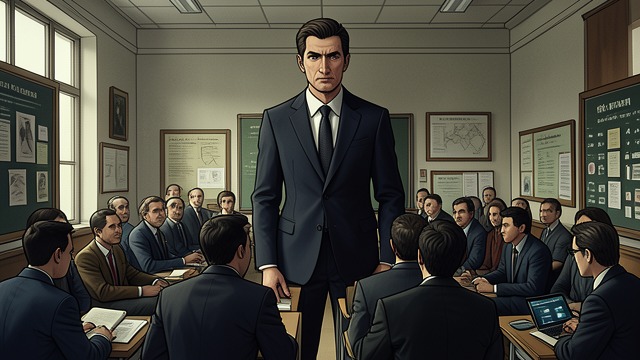
A Teacher’s Reputation
A hostile headline
A reporter accuses Danza of using Philadelphia’s students to restart his career. The attack echoes a broader suspicion that teachers and schools are responsible for complex social problems.
A commitment tested
Danza insists that students will receive the education they deserve. The accusation makes public trust part of the experiment before he has taught a class.
Parents and Authority
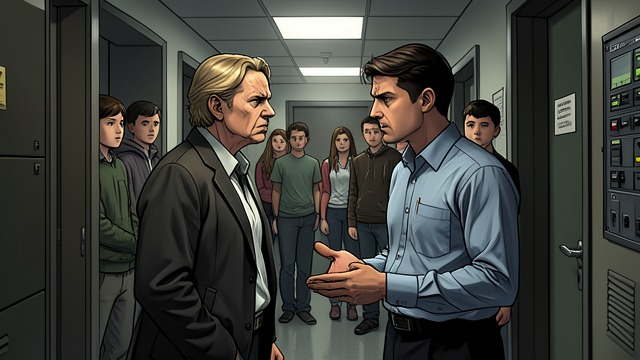
Parents and Authority
A parent intervenes
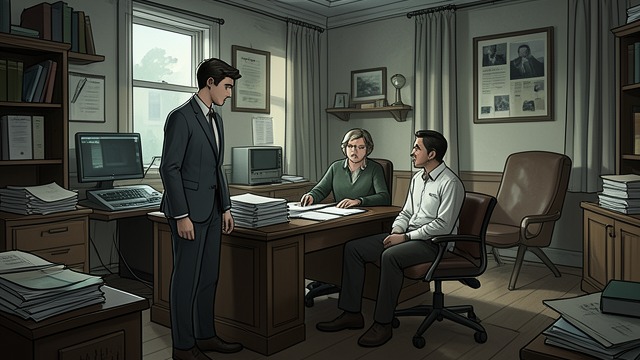
Daniel’s mother rejects Danza’s attempt to explain the incident and immediately blames the teacher. The moment contrasts with Danza’s memory of parents supporting teachers when he was young.
A destructive cycle
A dean explains that parents may arrive expecting teachers to be at fault, while students learn that consequences can be contested at home. The school’s authority and the family’s role become difficult to reconcile.
A Debate About the Union
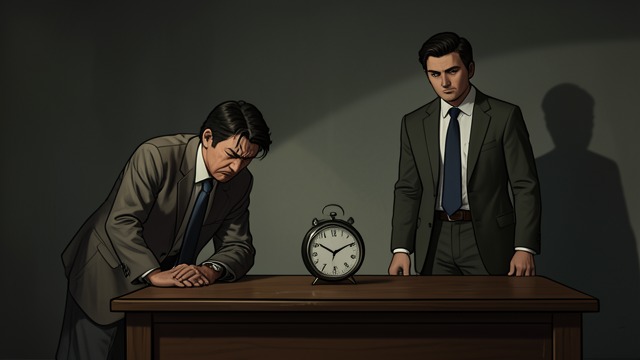
A Debate About the Union
Conflicting duties
Teachers discuss whether giving up contractual time to tutor students helps children or undermines protections won through collective bargaining. New and veteran educators see different risks.
Support without simplification
The conversation reveals that teacher protections and student needs can collide, especially during cutbacks. Danza resists a simple story in which one side alone is responsible.
Test Scores and the School
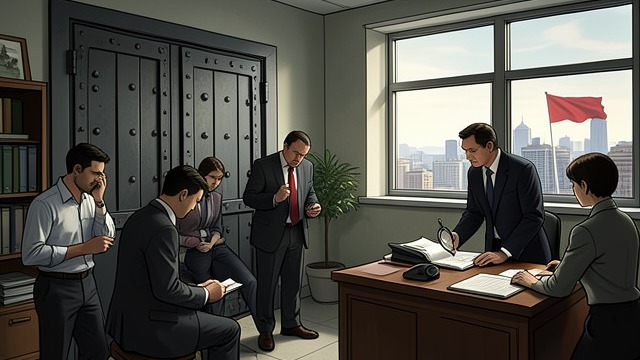
Test Scores and the School
A school under pressure
Staff members face possible consequences if Northeast fails to meet its targets. Danza sees how fear of school takeover shapes practice and morale.
A measure questioned
The eventual scores include students who do not attend the school. Danza concludes that numbers can fail to capture classroom work and conditions beyond a school’s control.
A National Responsibility
A National Responsibility
Educators need support
Danza argues that most teachers he met were overwhelmed rather than uncaring. He rejects pay cuts and blame as responses to educational problems.
Every citizen has a stake
He calls for families and communities to support public schools even when they do not use them. The conclusion turns his year of observation into a civic appeal.
Before Danza arrives at Northeast
Spring, during Daniel’s Latin-class dispute
Winter, at teachers’ happy hour
Spring, before and after the PSSA
After Teach is canceled
