
A Public-School Year Under Pressure
I'd Like to Apologize to Every Teacher I Ever HadDanza’s year exposes the gap between what students and teachers need and the systems, resources, and accountability structures surrounding them.
increasing Bearing strength in each event
 decreasing
Bearing strength in each eventdecreasingA Small Teaching Load
A Small Teaching Load
A limited experiment
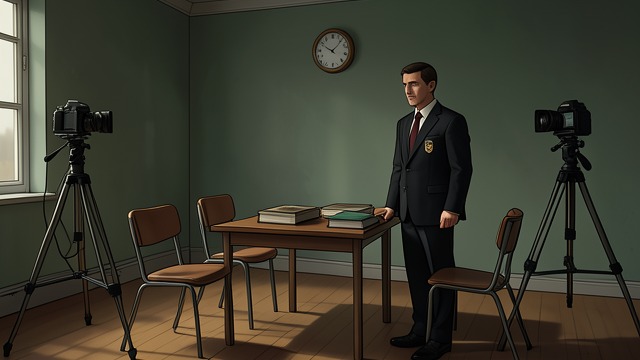
Danza teaches one double-period English class, a much smaller load than the one carried by regular teachers. The arrangement is designed to reduce risk while cameras enter the school.
An incomplete view
Even with that protection, the work quickly exceeds his expectations. He begins to see that teaching includes supervision, paperwork, counseling, and extracurricular responsibilities.
The Work Beyond Lessons
The Work Beyond Lessons
Constant demands
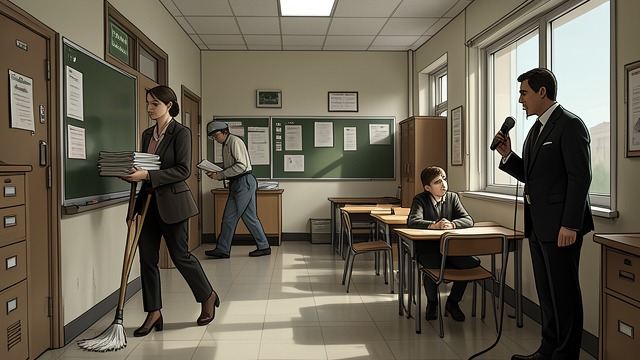
Teachers manage reporting requirements, meetings, discipline, student needs, and classroom preparation alongside instruction. Danza sees how these obligations consume time that might otherwise go to students.
The hidden labor
Veteran teachers explain that caring for children can involve food, housing concerns, safety, and emotional support. The job’s actual scope is far larger than the public image of classroom teaching.
A Lesson in Limited Capacity
A Lesson in Limited Capacity
Individual needs
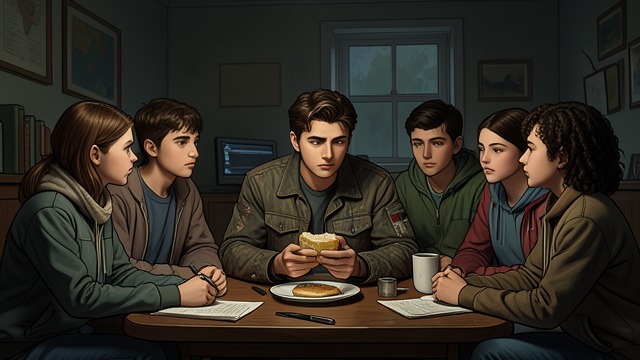
Danza tries to assist students facing truancy, failing grades, family distress, and unsafe circumstances. His informal half-sandwich club becomes a place where students seek more than food.
The scale problem
Each successful intervention takes time, while many more students need attention. Danza begins to understand why even committed teachers can feel overwhelmed and unable to reach everyone.
The Three-Fifths Proposal
The Three-Fifths Proposal
A possible reform
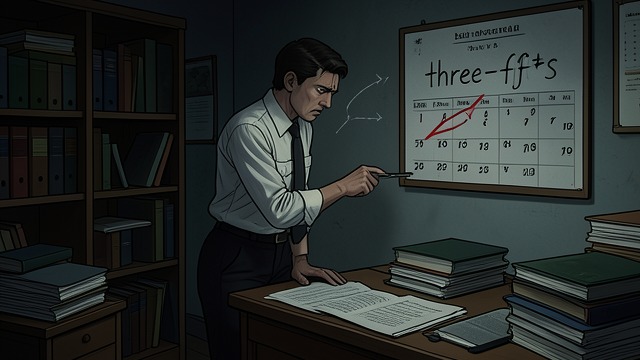
A teacher describes trying to support students while carrying a full load and an overwhelming grading burden. Danza imagines reducing teachers’ schedules from five classes to three.
Cost and priority
He calls it his Three-Fifths Solution, knowing it would require significant resources. The idea reframes teacher capacity as a policy choice rather than an individual test of devotion.
The Larger Public Argument
The Larger Public Argument
A national pattern
Danza concludes that teachers are asked to do too much while receiving too little support. He objects to blaming educators for conditions shaped by poverty, policy, and limited resources.
Shared responsibility
He argues that public education affects the country’s future, including families who do not use public schools. His experience turns a personal career experiment into a call for civic involvement.
The start of the school year
September, during staff meetings
Winter, after working with students at risk
Spring, after a gym conversation with another teacher
After the series is canceled
