
A Teacher Learns to Teach
I'd Like to Apologize to Every Teacher I Ever HadDanza’s movement from performance-centered lecturing toward student work traces his gradual discovery of teaching as a craft.
increasing Bearing strength in each event
 decreasing
Bearing strength in each eventdecreasingThe Monologue Habit
The Monologue Habit
Filling the silence
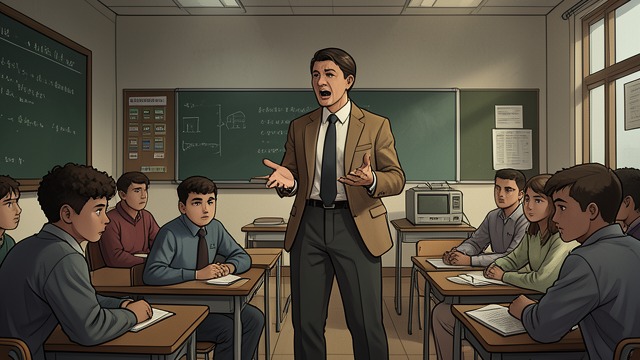
Nervousness pushes Tony Danza to tell stories instead of guiding students through planned work. He treats classroom silence as a sign that he is losing his audience.
A misplaced strength
His instinct to perform can hold attention briefly, but it leaves too little time for students to think or speak. David Cohn names the imbalance directly.
More With Less
More With Less
A mentor’s correction
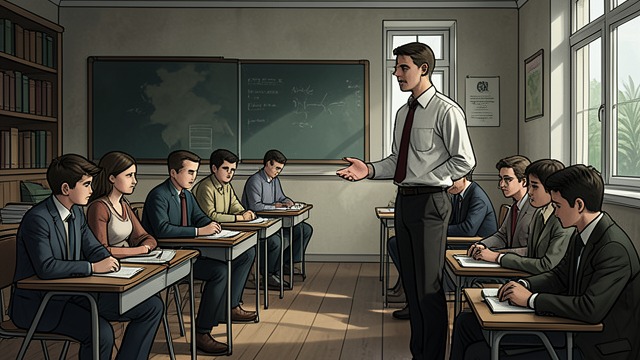
David Cohn tells Danza to speak less, stay with the lesson, and watch students demonstrate what they understand. Danza recognizes that entertaining a class is not the same as teaching it.
A harder silence
He begins trying to tolerate pauses rather than rescue every moment with another story. The change asks him to surrender control of the room’s attention.
Learning Through Doing
Learning Through Doing
Student-centered experiments
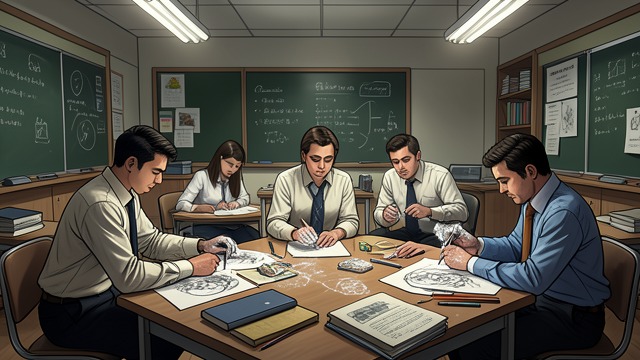
Danza uses paired myth-writing, performances, drawing games, and a review scavenger hunt. Students who had seemed passive become energetic when they make and present work themselves.
A practical lesson
The activities teach him that structure and participation can coexist. His role shifts from supplying every answer to designing situations in which students have reasons to find answers.
Learning to Hold Authority
Learning to Hold Authority
Advice from students
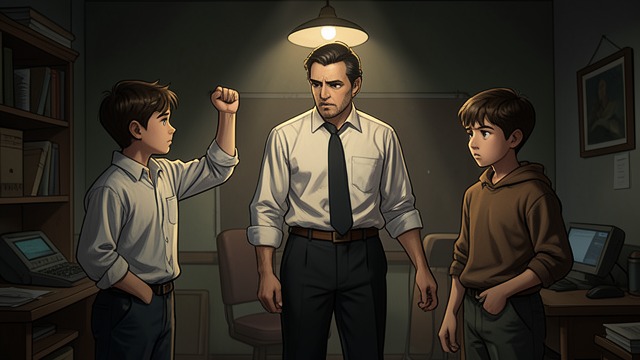
After a classroom fight and an arrest, Nakiya and Tammy tell Danza that kindness alone does not establish authority. His students need to see him protect the learning environment as well as care about individuals.
A more balanced stance
Danza begins to accept that firmness is not the opposite of connection. His continuing challenge is to enforce limits without being drawn into students’ anger.
Teaching Without the Cameras
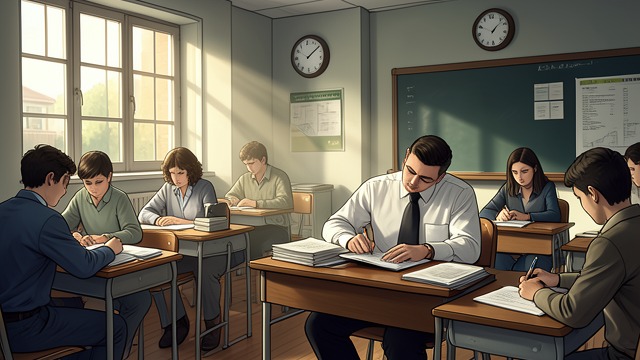
Teaching Without the Cameras
An unplanned test
When filming ends early, Danza fears that he has lost both a safety net and a source of authority. He chooses to stay even though the production may no longer pay him.
A teacher’s evidence
By the final exam, he can assess student learning without needing television drama to validate the work. His confidence rests on preparation, student effort, and results.
The first week of classes
Early September
October, during the first literature units
Spring, during the class conflicts
From late January through June
