Tony Danza–Al G relationship
I'd Like to Apologize to Every Teacher I Ever HadTony Danza–Al G relationship is a year-long contest over whether persistence can make room for trust without mistaking defiance for indifference. At Northeast High School, Al initially appears to Danza as a late, disengaged student determined not to be understood; Danza, in turn, repeatedly gives him another chance even when that generosity seems to invite further testing. Their connection advances through modest signs—a personal writing assignment, a visit during suspension, a strong test result, an apology—and repeatedly falters. Its most meaningful change is not that Al becomes consistently compliant, but that both learn to stay in the relationship without demanding an easy display of affection or success.
First Impressions and Classroom Resistance
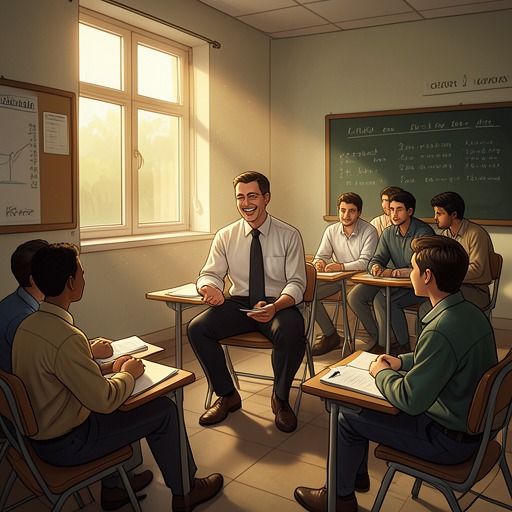
Al enters Danza’s class late, moving slowly and carrying himself with a cocky assurance that makes his lateness seem deliberate. At fifteen, he is tall, handsome, and marked by a pencil mustache; his languid arrival is part of the performance. He says he is more comfortable with his hat on, and Danza reads his manner of speaking and his disdain for school as signs of a peer culture in which taking academics seriously risks appearing uncool. Al makes clear that the other students are not his crowd. For Danza, the posture is uncomfortably familiar: Al recalls the disengaged teenager he once was, though Danza recognizes that the surrounding classroom culture has changed and that apathy is no longer unusual.
The early dynamic is built out of missed obligations and Danza’s decisions about when to enforce them. Al does not begin the assignment on the board, has no pencil, and has not completed the personal-experience homework. When Danza asks him to share first, Al has nothing to offer; Danza nevertheless allows him until the next day to turn in both pieces of work. Later, Danza describes Al as constantly talking and joking, with exaggerated yawns that particularly irritate him. He moves Al from seat to seat in search of a productive arrangement, but the usual strategy of placing a disruptive student beside a steady classmate does not work. Seating Al in front of David Cohn quiets him, but still does not make him work. The distinction matters: Danza can manage the noise more readily than the disengagement beneath it.
A meeting with Al’s mother begins to alter Danza’s reading of that disengagement. She tells him that Al does not want anyone to know how smart he is. The next day, Al hands Danza considerably more than the half page requested: a description of a basketball court in a park near his home. Danza does not press him to read it aloud, but the length of the work is itself evidence that the apparent refusal has not exhausted Al’s capacity or willingness. The assignment offers a different kind of access to him—not through a confrontation about attitude, but through writing from personal experience.
Attention, Teaching, and Academic Possibility
When another teacher assigns Al an in-school suspension, Danza visits him in one of the portable classrooms used for students serving disciplinary time. After sitting with him for about half an hour, Danza gets up to leave. Al looks up and thanks him clearly, without his customary smirk. Danza understands that the thanks carries weight because Al says it in front of other students. The visit does not erase the discipline or resolve the conflict, but it gives the relationship a new form: Danza’s presence is not limited to correcting Al in class, and Al answers that presence with an unguarded acknowledgment.
Ms. Green’s strategy is to have Al teach her class, and Danza arranges to observe. The role reverses the usual classroom expectations: Al, more often treated as a student who will not work, is asked to stand in the position of someone responsible for instruction. The evidence of change is deliberately small. His face softens, and after classmates tease him and urge Ms. Green not to use more student teachers, Al complains to her but stops Danza as he leaves. He thanks him again and tells him to keep working on the problem. The repeated thanks does not turn Al into an openly affectionate student; instead, it marks an emerging willingness to acknowledge Danza while preserving some of his guardedness.
Academic achievement supplies another opening. After a review of John Steinbeck’s Of Mice and Men, nearly the whole class passes a test, including Howard, and Al earns a ninety-one. The result demonstrates that his earlier failure to complete routine work cannot be taken as a complete measure of what he understands. When Danza returns the test the next morning, Al responds with one of his characteristic smirks. The gesture keeps his pride partly concealed, but the grade gives Danza concrete grounds for believing that Al can succeed. Their exchange holds both sides of the relationship at once: an achievement worth celebrating and a student who does not readily offer a conventional expression of gratitude.
Confrontation and Personal Disclosure
A field trip to New York City brings the conflict into public space. In the park, Al wanders away from the group while Matt becomes physical with other students. Danza takes both aside and tells them they need to work together, mindful that their behavior could spoil a day he wants to make memorable for the class. In Times Square, Al continues walking away from the group despite Danza’s instruction to stay close. Danza warns him that he does not want to lose him in the crowds and reaches for his arm. Al recoils, pulls away, and tells Danza not to touch him.
For Danza, the moment concentrates months of frustration: Al’s missed assignments, lateness, lack of participation, and loud yawns. He feels the temptation to answer Al’s challenge with force, but the impulse passes. Danza backs down and watches as Al walks on, straying far enough to feel that he has won the exchange before slowly returning by himself. The incident does not resolve their struggle over authority or physical boundaries. It does, however, make clear that the teacher’s persistence cannot be separated from his restraint: in a volatile moment, refusing to escalate becomes part of how he continues to care for Al.
Later, Danza finds Al in handcuffs in a holding cell at school. The account does not establish the full circumstances that put him there. Danza remembers Al’s furious reaction to being touched in New York and approaches carefully, asking him not to let the situation become more serious. The recollection changes the significance of the earlier confrontation: Danza has not forgotten Al’s response or treated it as mere insolence. His appeal is measured against the possibility of further consequences, not against a desire to win an argument. The episode also shows the limits of the bond. Danza can offer a warning and his presence, but he cannot control the choices Al makes or the disciplinary situation surrounding him.
Al’s choice of a poem makes the guarded relationship more personal. He stands at the front of the class with his backpack on and recites Langston Hughes’s “The Negro Speaks of Rivers.” He has not made the required poster and stalls a couple of times, but Danza counts the presentation as progress. Asked why he chose the poem, Al explains, “Because he didn’t have a good relationship with his father, like me.” The disclosure is brief, yet it reframes his identification with the poem as more than a classroom selection. Al connects the reading to his own relationship with his father, giving Danza a direct glimpse of the personal experience behind his public resistance.
Setbacks, Accountability, and a Quiet Ending
The relationship does not move steadily forward after these openings. Following a three-day suspension, Al returns and openly cheats on a makeup test that Danza had allowed him to take. Danza sees the book open on the floor beside Al’s desk, even though Al is seated at the back of the room. He is astonished by the brazenness, but waits until the next day to speak with him. That delay distinguishes accountability from an immediate public showdown: Danza raises the issue directly, but gives himself time before trying again.
Danza believes that reminding Al that the school year is nearly over helps bring about an apology. After several rounds of conversation, Al admits he cheated and repeats Danza’s commitment to doing the work and trying his best for the rest of the year. Danza does not mistake the promise for a permanent cure; he expects more difficulties and recognizes that another suspension would help neither of them. The exchange is significant precisely because its hope remains qualified. Al accepts responsibility in this instance, while Danza keeps the relationship open without claiming that the underlying pattern has disappeared.
A discussion of moral-development stages gives Al another opportunity to describe himself. Looking at the stages Danza has written on the blackboard, he decides that he is stuck at the first two: he acts for a reward or to avoid punishment. He seems proud to have reached the conclusion. Rather than treating the answer as proof that Al has transformed, the scene shows him participating in the work of interpreting his own conduct. His insight is limited by his own formulation, but it is his formulation, reached in the classroom rather than imposed on him as a label.
Near the end of the year, Al’s loopy cursive appears on the classroom message, “Take part in your own education.” After the final exams are returned and the class dances and trades high fives, Al comes to Danza’s room wearing his backpack. Danza has learned not to fill the silence or demand that Al explain why he is there. Al sits, settles his body, and looks out the window while Danza works on paperwork. The air conditioner is running, and the afternoon outside is sweltering; Danza allows that even if the cool room is Al’s only reason for coming, his presence is enough. Forty-five minutes pass without a word. Al then nods on his way out.
Danza tells David Cohn that he is wearing Al down; David suggests that they have worn each other down, in a good way. The exchange names the reciprocity Danza has gradually learned to see. He has persisted with Al, but Al’s resistance has also forced him to become more patient and less eager to control every interaction. When Danza later breaks down in front of the class over the prospect of leaving, Al hovers close as classmates gather around him. That presence is not a speech, an apology, or proof that every conflict has been settled. It is the final evidence of a bond expressed on Al’s terms: after a year of testing whether Danza will keep returning, he remains near when Danza needs the class.