
The Visalia Ransacker Connection
I'll Be Gone in the DarkThis thread traces the investigation into whether the earlier Visalia burglaries and the later Sacramento attacks were committed by the same offender, from a promising pattern to enduring disagreement.
increasing Bearing strength in each event
 decreasing
Bearing strength in each eventdecreasingA Reign of Burglaries
The Ransacker’s Pattern
Repeated Intrusions
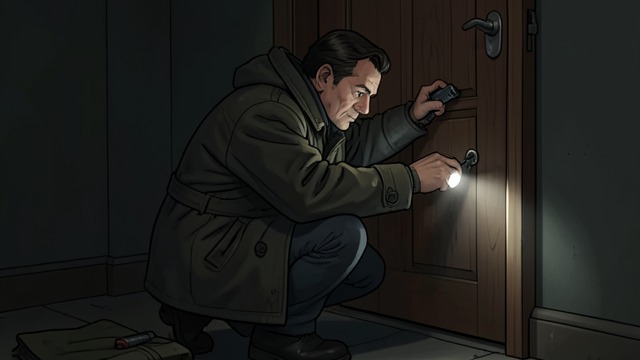
In Visalia, an offender known as the Ransacker entered homes repeatedly, sometimes striking several residences in a single night. He targeted personal keepsakes and jewelry while often leaving more valuable property behind, and he disturbed household belongings in ways that suggested spite and sexual fixation as much as theft.
His methods included leaving multiple escape routes and arranging objects as makeshift alarms. The behavior suggested a prowler who was attentive to houses and cautious about being caught, even as his intrusions were unusually destructive.
A Change in Violence
The series changed in September 1975, when a ski-masked intruder attempted to abduct the teenage daughter of Claude Snelling. Snelling intervened and was shot and killed; evidence connected the gun to a recent Ransacker burglary.
That killing gave investigators a direct reason to examine whether the burglaries and the assault belonged to one escalating offender. The question would later become entangled with the search for the East Area Rapist / Original Night Stalker.
The Near Capture
A Face in the Flashlight
A Planned Stakeout
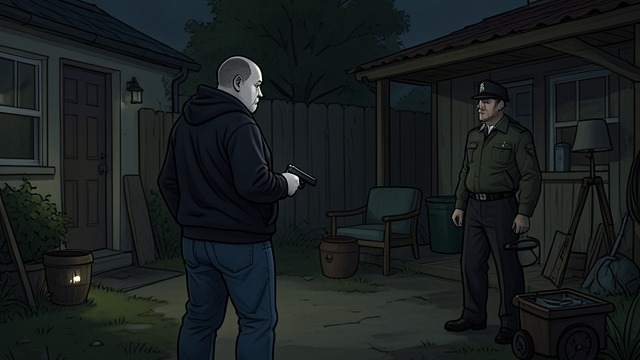
After reports of shoe tracks near a previously targeted home, Visalia detective Bill McGowen watched the property from a dark garage. A figure approached, moved around the structure, and began trying a gate; McGowen confronted him and a chase followed.
The suspect first acted frightened and raised one hand as if surrendering. McGowen’s description emphasized a pale, round, babyish face and a high, wavering voice, a striking contrast with the calculated intrusions attributed to the Ransacker.
Escape Under Fire
As McGowen moved to arrest him, the suspect drew a revolver with his other hand and fired. The bullet struck McGowen’s flashlight, allowing him to survive, but the suspect escaped despite a large search of the surrounding area.
The confrontation gave investigators a vivid account of the Ransacker’s appearance and behavior, but it did not provide a name. The suspect’s ability to switch from helplessness to armed violence became part of the case’s enduring portrait of deception.
A Proposed Link
Similarities Under Review
Sacramento Calls Visalia
After the Sacramento attacks began, Visalia police contacted investigators there with the possibility that the Ransacker had become the East Area Rapist. Both offenders appeared to favor personal property over valuable goods, used improvised alarms, and moved through homes with unusual attention to escape routes.
The proposed connection was compelling because the Visalia burglary series had stopped months before the Sacramento rapes began. Investigators wondered whether the same man had shifted from nighttime prowling and burglary into sexual assault.
Differences That Resisted the Theory
Sacramento investigators saw important contradictions. The offenders’ reported builds and shoe impressions did not align, and the distinctive, heavy appearance associated with the Ransacker seemed unlike descriptions of the leaner East Area Rapist.
The disagreement was not merely about matching habits. It concerned whether an offender could change so dramatically in appearance and behavior. Without a forensic connection, each jurisdiction had to weigh similarities against substantial uncertainty.
The Press Dispute
Public Disagreement
Competing Accounts
Visalia investigators took their theory to the press, arguing that Sacramento authorities had dismissed a plausible link too readily. Newspaper coverage made the jurisdictional disagreement visible and framed the question as both investigative judgment and institutional resistance.
The Sacramento County Sheriff’s Department responded by criticizing the reporting and accusing the Visalia department of seeking publicity. The exchange hardened public positions without producing new evidence about the offender’s identity.
A Lead Goes Cold
Some Sacramento investigators remained open to the possibility. They asked utilities for employee lists of people who had transferred from Visalia, but the two candidates found through that search were eliminated.
The inquiry illustrates the limits of pattern recognition in a case without shared biological evidence. A long list of parallel methods could direct investigators toward a theory, but it could not settle the theory on its own.
A Divided Legacy
The Link Remains Contested
Different Investigative Judgments
Decades later, investigators still disagreed about whether the Visalia burglaries and the Sacramento attacks had one perpetrator. Some, including later case investigators and the FBI, considered the behavioral parallels persuasive; others regarded the physical differences as too significant to overlook.
The book does not resolve the dispute with a definitive forensic result. It presents the connection as a question that survived because the early records contained both suggestive similarities and substantial inconsistencies.
What the Hypothesis Reveals
The proposed link encouraged investigators to look backward, searching for earlier behavior that might explain later crimes. That backward view can uncover overlooked patterns, but it also risks forcing distinct events into one narrative.
The subplot ends with uncertainty intact. The Ransacker investigation contributes a possible prehistory to the larger California case, while the disagreement over that possibility demonstrates why a theory must remain provisional until stronger evidence supports it.
April 1974 to December 1975
December 10, 1975
February 1977
July 1978
Four decades after the series
