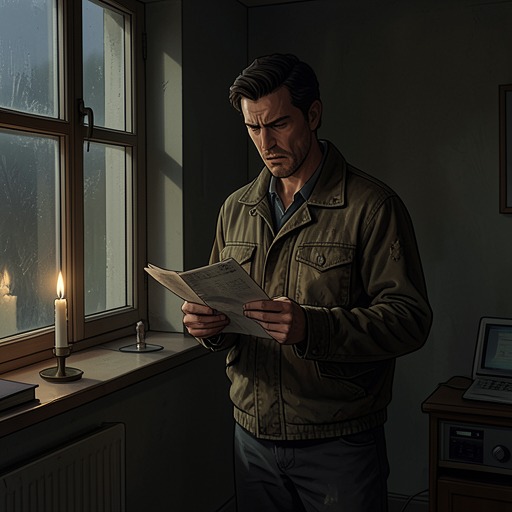
Cocaine addiction and recovery
I'm Still Here- What didn't kill me made me stronger and sharperCocaine addiction and recovery are central to Janae Morrison’s struggle to understand whether she deserves love and whether a better life can last. Cocaine offers temporary escape from grief, rejection, and fear, but its return threatens her relationship with Jensen Brick McCall and the fragile progress she has made. Her recovery is not a single decision or a clean break: it is a contested process built from honest disclosure, counseling, art, practical support, and repeated efforts to withstand cravings without turning back to drugs or self-harm.
The Work of Beginning Recovery
Janae enters counseling wanting to stop using drugs and cutting herself, but she is wary of being judged or criticized. Inya introduces herself as someone willing to help, and the treatment relationship is framed as a choice Janae must actively make rather than a solution imposed on her. Inya explains that she has a full schedule and will continue working with Janae only if Janae is completely honest with her and herself. She also makes clear that Janae must want help. The arrangement includes a concrete exchange: Janae will paint a portrait of Inya’s daughter as payment. Art therefore becomes part of the practical structure of treatment, not simply a pastime that happens alongside it.
Inya asks whether Janae is currently using drugs and what she uses. Janae says that she is not using at that moment, then identifies cocaine and cutting as the problems she wants to address. The frank questions and answers establish the terms of their work: recovery depends on naming the behavior accurately, even when doing so exposes shame or fear. Inya’s office, with its art and calm atmosphere, also gives Janae a setting in which making images can coexist with discussing painful experiences.
The early progress remains vulnerable. During a later counseling session, Janae goes alone and refuses to speak to Jensen because she is angry and believes no one wants her. She takes a few sniffs of cocaine, cries, and paints. The sequence shows the drug serving as an immediate response to emotional distress, while painting gives her another way to express what she cannot yet resolve. Inya observes as Janae works on an image that includes Jensen, Robert Walters, her mother, her stepfather, and her sister. The picture gathers the relationships implicated in Janae’s pain into one visible composition; it does not mean that the underlying conflicts have been settled.
Relapse and the Cost of Secrecy
Janae’s later relapse is connected both to the availability of cocaine and to her fear of losing the life beginning to take shape. She tells Inya that she and Jensen had sex, after which he found cocaine in the bed and left. When Inya asks whether Janae has relapsed or never stopped, Janae admits that she relapsed two weeks earlier: while painting and thinking, she found a stash in one of her suitcases and used it. She confirms that she is high during the conversation and describes herself as a failure. The hidden stash makes the relapse more than an abstract setback; an overlooked object from the past becomes an immediate route back to use.
The breach with Jensen deepens because it involves both substance use and dishonesty. Janae explains that she gets high to forget that her mother does not love her, to forget her mistakes, and because she does not know how to stop. Jensen says he could have dealt with her telling him she had not quit, but lying is a major violation of the trust he placed in her. He also refers to her healed cut marks and to the pain of watching her use cocaine. His decision to step away is therefore not presented as a simple rejection of an addict: he distinguishes the relapse from the concealment and says that he cannot continue in a relationship where the truth has been withheld.
Janae later recounts a wider pattern to Inya. She says that she relapsed twice, stole Jensen’s credit card, and took a ten-thousand-dollar cash advance. At the time, she was earning A grades, making the honor roll, and beginning to feel and look better. Rather than trust that improvement, she feared that everything would eventually collapse and deliberately acted in ways she thought would make Jensen hate her. Her account connects relapse to self-sabotage: progress itself becomes frightening when she cannot believe it is secure or deserved. She also describes Jensen taking her out of what she calls a dungeon and putting her in rehabilitation, while acknowledging that his support cannot substitute for her own decision to recover.
A Plan for Cravings and Accountability
Inya answers Janae’s despair by rejecting the idea that recovery should be easy or immediate. She draws on her own experience, saying that she relapsed three times before getting clean and still has urges. She identifies specific practices that help her: contacting her sponsor, attending Narcotics Anonymous meetings, meditating, and relying on support rather than pretending the desire has disappeared. Her guidance treats recovery as a daily practice rather than a promise that cravings will never return.
Inya makes herself available as Janae’s sponsor and develops a plan with her. When an urge to use or cut arises, Janae can call Inya or go to her home; the immediate objective is to do whatever will help her avoid acting on the urge. Inya also directs her to a Thursday Narcotics Anonymous meeting at the office, which she facilitates with Miguel. She specifies a six o’clock start, asks Janae to bring a dish, and describes the gathering as a nonjudgmental space. These practical details extend support beyond the private counseling session into a recurring peer setting. The plan is concrete, relational, and designed for the moments when determination alone may not be enough.
A later craving shows how precarious that support can feel in practice. Janae’s hand trembles as she considers getting high. She calls Inya, but reaches voicemail while only five minutes from home and close to buying drugs. In her account, cocaine promises a temporary way to erase her love for Jensen; she feels she has lost him and her family, and that only she and the drug remain. A police car pulls alongside, but the attention does not resolve her distress. She calls Jensen because she wants to defeat the addiction that has functioned as her problem solver. The scene places a small, decisive action—the call—against the immediate pull of use, without suggesting that one phone call makes recovery certain.
Rebuilding a Life Beyond Use
Janae’s recovery narrative gradually includes grief that cannot be fixed by intoxication. In counseling, she says that she misses Delia and wants to bring her a strawberry-and-cream cake, buy her a cell phone, and share manicures and pedicures. She recognizes that she cannot bring Delia back. She describes smoking crack and breaking things as temporary responses, and says that binging on crack killed Delia. Rather than present drugs as a way to undo loss, the conversation turns toward giving love and paying homage to Delia without returning to the addicted self Janae associates with that harm. The passage makes remembrance part of recovery: grief remains, but she begins to imagine honoring the dead through care rather than renewed self-destruction.
At a later point, Janae reports that she has been clean for three months and counting. She is in love with Jensen, says that Ginger Pearl is doing well, and is pleased that Mariah Carey has commissioned a family painting. The commission and Janae’s developing art career give visible form to a life containing work, attachment, and future plans alongside sobriety. When asked about recovery, she says that she has stopped using drugs and cutting and feels happy and at peace. The account marks real change, while the earlier relapses and detailed support plan keep that declaration grounded in the effort required to reach it.
Significance
The book presents addiction as both a damaging coping strategy and a problem that cannot be separated from the relationships surrounding it. Janae uses cocaine to blunt abandonment, guilt, grief, and fear; the temporary relief gives way to secrecy, financial harm, conflict with Jensen, and renewed danger to her recovery. Her own disclosures make these consequences specific, from the stash in a suitcase to the credit-card advance and the cocaine found in the bed. At the same time, treatment does not reduce her to the relapse: counseling, painting, meetings, sponsorship, love, and mourning all become parts of a broader life she is trying to sustain.
Recovery here does not erase pain or guarantee that it will not return. Instead, Janae’s movement from hiding use to naming it, accepting a plan, reaching for support, and eventually describing three months of sobriety changes how she responds to pain. Her progress culminates not in a claim of invulnerability but in a life where she can speak of grief, love, work, and family without describing cocaine or cutting as her only means of getting through them.