
The Meaning of Progress
I'm Still HereThis flow traces Austin's resistance to narratives of racial progress that ask Black people to feel grateful while injustice persists.
increasing Bearing strength in each event
 decreasing
Bearing strength in each eventdecreasingThe Promise of a Postracial Nation
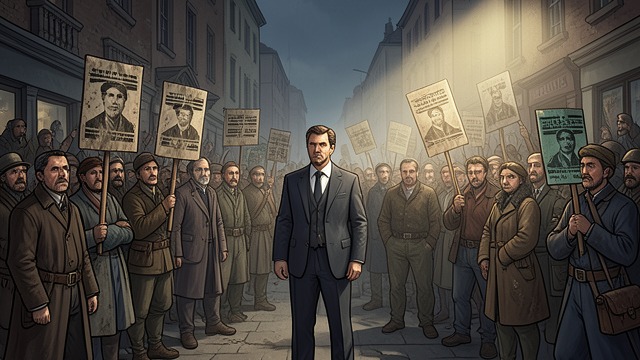
The Promise of a Postracial Nation
Celebration and worry
Many people interpret Barack Obama's election as proof that the United States has become postracial. Austin shares the historic emotion of the moment but remains aware of threats, racist protests, and attacks on his legitimacy.
Hope tempered by history
The achievement does not persuade her that racism has disappeared. Her knowledge of violence against Black leaders makes celebration coexist with fear for the new president's safety.
Ferguson on the Screen
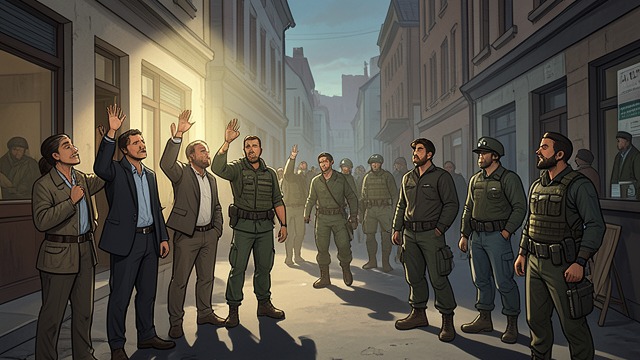
Ferguson on the Screen
History returns visually
Austin watches police in military equipment confront Black residents who demand accountability after an unarmed teenager is killed. The images resemble a war zone despite the residents' ordinary clothing and civilian setting.
A familiar structure
The standoff collapses the distance between historical photographs and current events. Austin sees not a completed past but a recurring pattern of state power confronting Black communities.
Progress as a Demand for Gratitude

Progress as a Demand for Gratitude
Praise required
White listeners ask Austin to acknowledge how far the country has come. The request directs her attention toward comparison with an abusive past rather than toward unfinished injustice.
A different standard
Austin is grateful for the survival and struggle of her ancestors, but she refuses to praise the end of practices that should never have been allowed. Ending slavery and Jim Crow is a human baseline, not a favor owed to Black people.
The Familiarity of Black Death
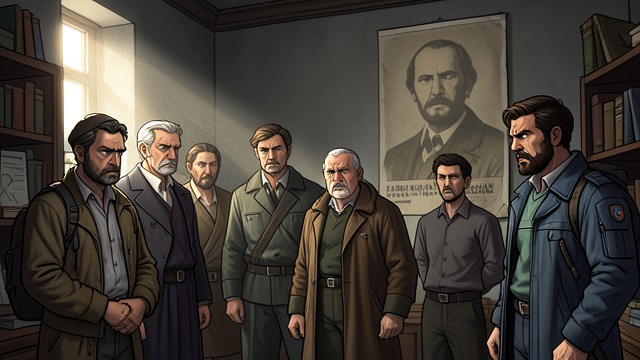
The Familiarity of Black Death
Repeated conditions
Austin names extrajudicial killings, disproportionate incarceration, and racist claims about Black people as continuing realities. Their persistence makes national claims of progress feel detached from the lives being lost.
History folding inward
The past does not simply precede the present; it shapes what remains familiar now. Austin's refusal to celebrate progress is a demand to measure change by safety and justice rather than by patriotic reassurance.
A Church Remains Open
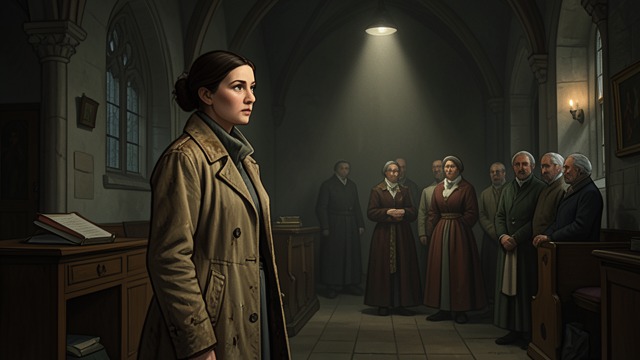
A Church Remains Open
Grief and return
After the attack, Austin goes to a quiet church to cry and later returns to the congregation where she grew up. The act of worship does not erase the violence or the fear it has generated.
Survival as witness
The congregation sings, prays, and gathers children to speak before the community. Their presence becomes a refusal to let terror determine whether Black people can inhabit their own sacred spaces.
After Barack Obama's election
During the Ferguson unrest
During Austin's race trainings in adulthood
As Austin reflects on recent racial violence
In the days after the Charleston church shooting
