
From White-Centered Advocacy to Black-Centered Work
I'm Still HereThis flow traces Austin's shift from making racial justice legible to white audiences toward work grounded in Black community and self-determination.
increasing Bearing strength in each event
 decreasing
Bearing strength in each eventdecreasingThe First Activist Steps
The First Activist Steps
Campus engagement
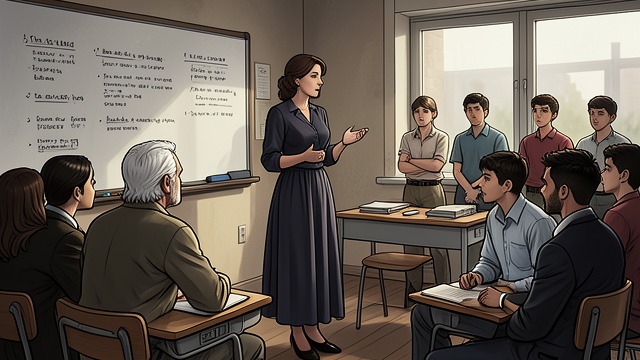
Austin joins efforts to press her college to hire and retain Black faculty and staff. She attends film discussions and conferences and helps establish prayer gatherings and worship services.
A new voice
Unlike in high school, Austin begins speaking when she sees racism. Her efforts mark a transition from private awareness to public participation, though she is still learning what kind of work will sustain her.
The White Audience at the Center

The White Audience at the Center
Teaching for recognition
Austin's programs often focus on white privilege, white shame, and the lessons white people need in order to support racial justice. She tries to become a voice that white audiences can hear.
A distorted measure
This work can make white reactions seem like the central measure of progress. Austin begins to see how even reconciliation programs can reproduce white supremacy when white listeners remain the imagined center.
Dr. Simms's Counterweight

Dr. Simms's Counterweight
Black history centered
Dr. Simms teaches African American and Mexican American history through detailed narratives and close attention to media and language. His classroom treats Black and other marginalized histories as intellectually central.
A different kind of authority
Austin sees a Black scholar who expects students to think deeply and speak clearly. His presence helps her value knowledge that does not need white validation to be serious or rigorous.
Service in a Black Neighborhood
Service in a Black Neighborhood
A different mission premise
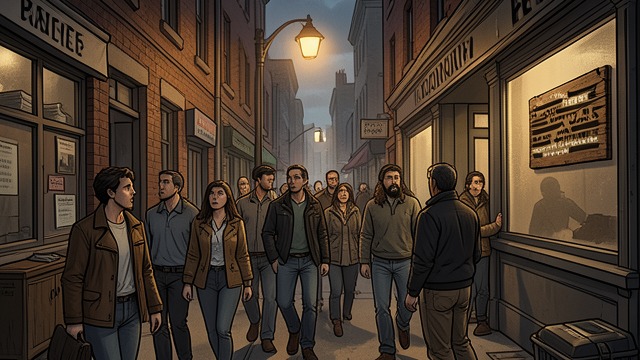
Austin leads visitors into a Black neighborhood to learn about work already being done by Black people and organizations. The aim is not to arrive as saviors but to recognize local knowledge and community strength.
Testing the premise
Some visitors arrive afraid and demand reassurance, while others are willing to examine their assumptions. Austin's work reveals how quickly mission language can reproduce paternalism unless visitors learn to follow local leadership.
Work Without White Permission
Work Without White Permission
A changed focus
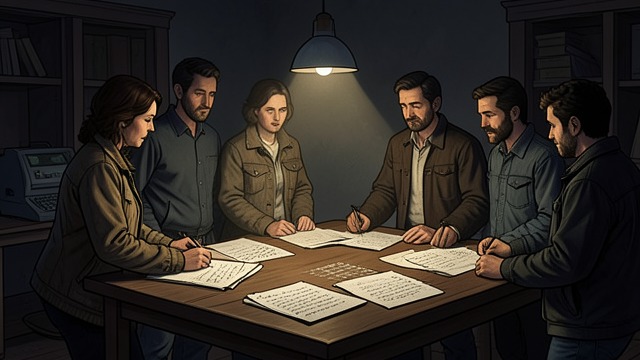
Austin no longer treats white people's conversion as the indispensable condition for justice. She links arms with people who are already changing and acts without waiting for universal agreement.
A durable vocation
The work becomes speaking, writing, teaching, and participating in collective struggle. Austin can pursue change while refusing the impossible burden of transforming every listener or institution herself.
After the Sankofa trip
During Austin's early college activism
During Austin's college history courses
During Austin's work directing a short-term mission site
By the later years of Austin's public advocacy
