
A Changing Account of Hope
I'm Still HereThis flow traces Austin's movement from conventional expectations of hope toward a fragile commitment to act without guarantees.
increasing Bearing strength in each event
 decreasing
Bearing strength in each eventdecreasingHope as a Public Demand

Hope as a Public Demand
The question put to Black writing
Readers ask whether Ta-Nehisi Coates is too bleak about America and demand that his account of Black life offer hope. Austin finds relief in words that describe racial experience without softening it.
The demand reconsidered
She sees that calls for hope can become another request for Black people to make painful truths easier to receive. Honesty may matter more than reassurance when racial harm is still ongoing.
Hope's Repeated Death

Hope's Repeated Death
Expectations disappointed
Austin hopes that friends will understand, organizations will change, and racist policies will be corrected. Again and again, the hoped-for ally or institution fails to become what she expected.
Grief acknowledged
She stops treating each death of hope as proof that she should withdraw. The disappointment brings grief, but it can also produce a clearer view of what has failed and what remains possible.
The Clearing After Fury
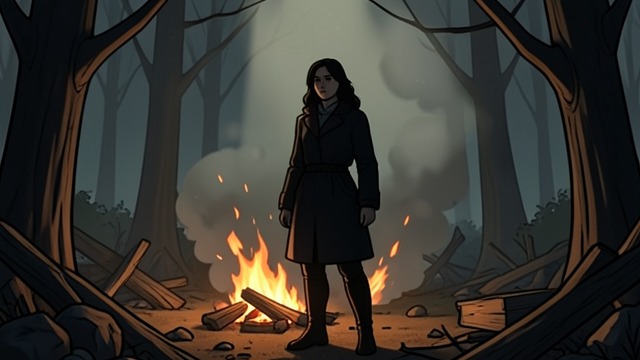
The Clearing After Fury
Anger and mourning
The collapse of an expectation first feels destructive, like a wildfire. Austin must ask what remains when the person or institution on which she relied does not change.
A new alignment
In the aftermath, she finds renewed clarity about herself, the church, the world, and God. Hope does not simply return in its previous form; mourning makes room for a more honest direction.
Working Without Guarantees

Working Without Guarantees
No dependable savior
Austin refuses to place her hope in white people, institutions, politicians, pastors, or even herself as a person able to fix everything. The list of unreliable guarantees makes a triumphant kind of hope difficult to sustain.
Action in uncertainty
She continues speaking, writing, loving, and joining collective effort without knowing whether the work will succeed in her lifetime. Hope becomes a practice carried out in darkness rather than certainty about results.
The Duty to Live Anyway
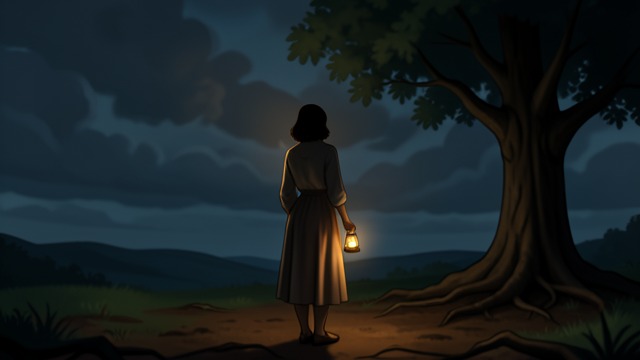
The Duty to Live Anyway
A legacy larger than one life
Austin understands that earlier generations resisted even when they could not expect to see racial equality in their lifetimes. She places her work within that long inheritance rather than demanding an immediate victory.
Choosing life and work
When sunlight appears, she accepts it, but she does not rely on it as a permanent condition. She continues to live, demand love, and work for an unseen future because surrender would betray what made survival possible.
After Ta-Nehisi Coates publishes his memoir
During Austin's years of racial-justice work
After a major disappointment in Austin's work
Near the end of Austin's reflection on hope
At the close of the book
