
Confinement and the Fight for Time
If Beale Street Could TalkThis thread traces how pretrial detention intensifies into physical danger and psychological change, while Tish and the family struggle to keep Fonny connected to life outside prison.
increasing Bearing strength in each event
 decreasing
Bearing strength in each eventdecreasingThe First Nights Inside

Confinement Begins
A world reduced to stone
At first, Fonny is held alone in a high cell, where the hours blur and even the date becomes difficult to remember. The toilet stinks, the cell offers little comfort, and the fear of being moved among other prisoners becomes another source of dread. He tries to make himself remember the world beyond the walls, but his thoughts feel emptied by the sameness of confinement.
Tish as an outside lifeline
Fonny knows that Tish will bring cigarettes and come to visit, and this expectation gives his days a small point of structure. At six o’clock, he sees her through glass and tries to appear steady, even as she recognizes how poorly he looks. Their visits cannot change his legal position, but they keep the relationship present across the separation that the arrest has imposed.
The Postponed Trial

Time Tightens Its Hold
Delay becomes daily life
When Victoria’s absence postpones the trial, Fonny learns that there is no immediate date for the case to be resolved. Tish tells him that the witness may be somewhere in Puerto Rico and that the family is still trying to locate her. He reacts with anger, asking how they can find her and whether the state can simply pay to keep her away. His frustration turns the uncertainty of the legal process into a personal crisis.
The cost of waiting
Fonny apologizes for directing his anger at Tish, then asks her to get him out. She promises that she will, although neither of them can control the court’s schedule. The scene clarifies that the delay is not empty time: Fonny experiences every day as another stretch taken from his relationship, his anticipated fatherhood, and the life he expected to build. The legal calendar has become a form of confinement in its own right.
The Promise of Daily Visits
Presence as Resistance
A practical sacrifice
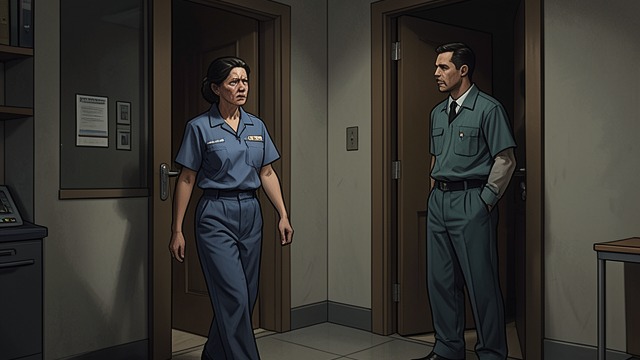
Joseph sees that Tish’s job is exhausting her and making it difficult to reach Fonny consistently. He urges her to quit and promises that he will worry about the money, arguing that Fonny needs her daily presence more than he needs her wages. Tish has treated work as one practical way to fight the case, but Joseph helps her recognize that continuing to visit is also a meaningful form of support.
A connection maintained
Once Tish leaves her job, she is at the six o’clock visit every day. Fonny knows that she will come, and her arrival reminds him that people outside the prison continue to care whether he lives and returns home. The visits do not secure a court victory, but they counter the isolation that confinement produces. The family’s choice redirects its resources from an additional paycheck toward sustaining Fonny’s connection to the world beyond the cell.
Violence in the Prison
The Threat Becomes Physical
Refusing the prison’s violence
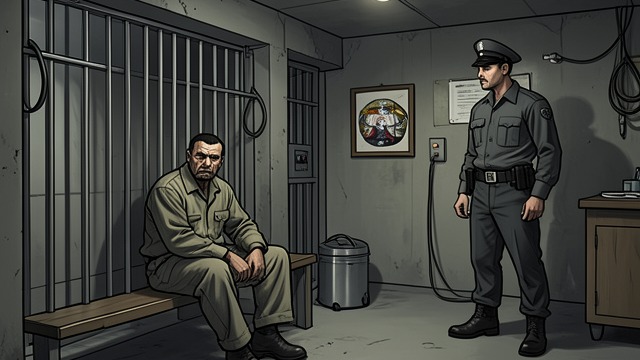
As Fonny begins to look around and talk with other prisoners, he understands more clearly that he is among men trapped by a system that can hold them whether or not they have committed the acts alleged against them. He refuses to be raped and is placed in solitary confinement. The resistance preserves his sense of self, but the institution answers it with punishment and isolation.
A changed body and resolve
Fonny is assaulted, loses another tooth, and nearly loses an eye. The violence leaves something hardened in him and changes the way he understands his own vulnerability. He keeps the image of the baby before him and treats his future meeting with his child as an appointment he must survive to keep. His determination grows stronger, but it is formed under conditions that continue to damage him.
The Bail Struggle
Freedom Still Has a Price
A possible exit
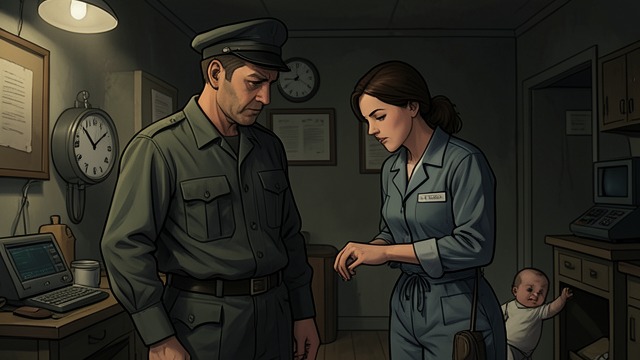
As summer arrives and Tish’s pregnancy advances, Hayward arranges the possibility of bail. The amount is high, and the family works to gather it while continuing to support Fonny and prepare for the child. A possible release gives the family a concrete goal, but it does not undo the months of confinement or guarantee that a judge will grant what they seek.
An unfinished outcome
Fonny tells Tish that he is coming home and says he has learned something about his life and work, even if the case remains unresolved. Tish listens and stays committed to him, while the baby’s movement makes the approaching birth impossible to ignore. The story ends with the family still caught between hope and legal uncertainty: Fonny’s release is anticipated but not confirmed, and the child is born without the novel showing the promised reunion.
The first days after Fonny is taken to jail
After the state asks to delay proceedings because Victoria is unavailable
After Joseph tells Tish to leave her job
After Fonny begins speaking with other incarcerated men
Summer, as Tish approaches childbirth
