
The Unborn Child as a Source of Hope
If Beale Street Could TalkThis thread traces how Clementine Rivers’s pregnancy changes from frightening news into a shared responsibility that sustains the family without promising an easy resolution.
increasing Bearing strength in each event
 decreasing
Bearing strength in each eventdecreasingNews Through Glass

A Future Announced in Prison
Telling Alonzo
Clementine Rivers tells Alonzo Hunt through the visiting-room glass that they are going to have a baby. She fears his first reaction will be worry, but when he understands, he laughs and begins asking what they will do.
The child arrives in their conversation before either can hold or see it. For a moment, the prison wall cannot prevent them from imagining a responsibility they will share.
Hope With a Risk
Clementine Rivers tells Alonzo Hunt that she intends to continue working and expects her family to help. Her confidence is an act of love, but the prison and the pregnancy make the future precarious from the beginning.
A Family’s Welcome
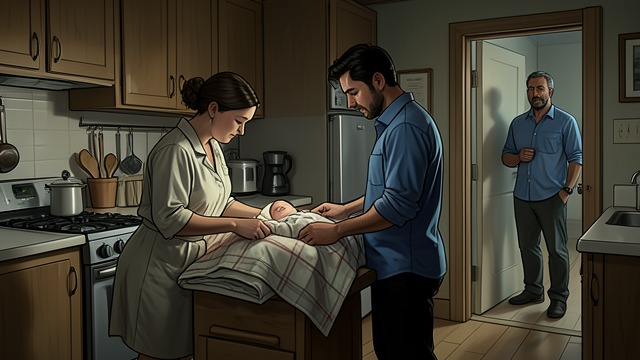
A Child Claimed by Kin
The Announcement
Sharon Rivers gathers the family and names Clementine Rivers’s pregnancy as the beginning of a new life. Joseph Rivers initially struggles to speak, then asks whether he may tell Frank Hunt, recognizing that the news belongs to both families.
The announcement changes the household’s emotional center. The unborn child is not treated as Clementine Rivers’s burden alone; the family receives the baby as part of its shared future.
Support Against Shame
Sharon Rivers rejects the idea that Clementine Rivers should feel ashamed for being pregnant before marriage. Her response places the family’s care against the social judgment and racial history that have restricted their lives.
A Child Between Families
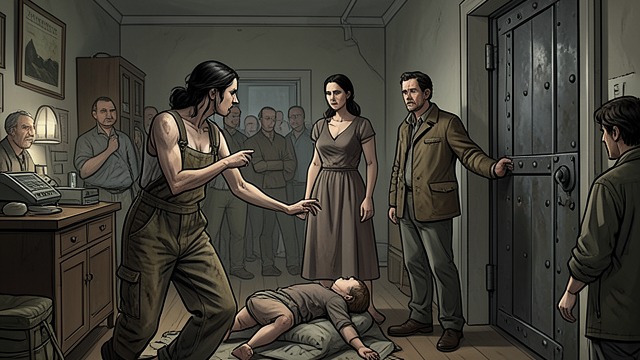
The Baby Tests Kinship
Rejection and Defense
Frank Hunt welcomes the news that he will become a grandfather, but Alice Hunt condemns Clementine Rivers and the pregnancy. She invokes religion to curse the unborn child, turning a family gathering into a direct conflict over who will claim it.
Clementine Rivers answers that the child is in her body and dares Alice Hunt to harm it. Ernestine Rivers then makes the boundary explicit: the child will be protected by the Rivers family, whether or not the Hunt family accepts it.
Protection Becomes Practice
The scene makes kinship a decision expressed through action rather than blood alone. The child’s safety becomes a responsibility that the adults must assume while Alonzo Hunt is imprisoned.
The Baby’s First Claim

A Presence Felt from Within
Movement and Responsibility
As Clementine Rivers’s pregnancy advances, the baby begins kicking and makes its presence unmistakable. The movement sharpens her awareness that the child depends on her body and that she must protect her health while the legal crisis continues.
Joseph Rivers urges Clementine Rivers to quit her job and visit Alonzo Hunt every day. He reframes her presence at the prison as necessary care, not wasted time, and promises to shoulder the family’s financial burden.
Hope Without Certainty
The unborn child gives Clementine Rivers a reason to persist, but it does not make the danger disappear. Her pregnancy deepens both her vulnerability and her sense of purpose as she and the family wait for Alonzo Hunt’s case to move.
A Birth Amid Uncertainty
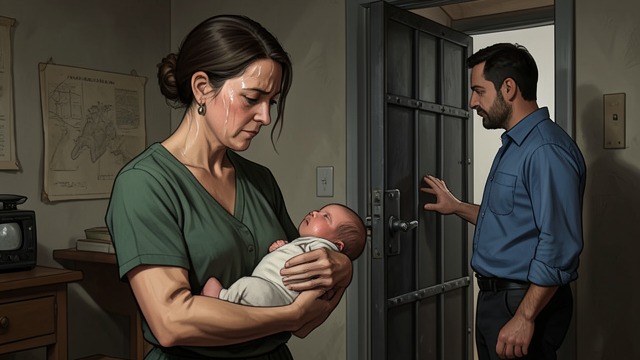
The Child Arrives
Labor and Loss
Clementine Rivers goes into labor soon after learning that Frank Hunt has been found dead in his car. Sharon Rivers is with her as the approaching birth interrupts the family’s grief and forces everyone to face another immediate need.
The baby is born, while Alonzo Hunt remains in prison and the legal case remains unresolved. New life enters a household still marked by separation, financial strain, and loss.
Hope Without a Guarantee
The ending presents the child’s arrival as meaningful without claiming it repairs what has happened. The baby joins Clementine Rivers and Alonzo Hunt’s future, but that future remains conditional on a freedom the family has not yet secured.
At the opening, during Clementine Rivers’s visit to Alonzo Hunt
That Saturday evening, when Clementine Rivers tells the Rivers family
Later that Saturday, during the meeting with the Hunt family
Around the middle of the story, when the child begins to move
Near the ending, on Columbus Day, October 12, 1973
