
The Literary Market’s Machinery
Illusions perduesThis thread traces how publishers, critics, printers, and theater owners manufacture literary success while leaving authors exposed.
increasing Bearing strength in each event
 decreasing
Bearing strength in each eventdecreasingBooks as Merchandise
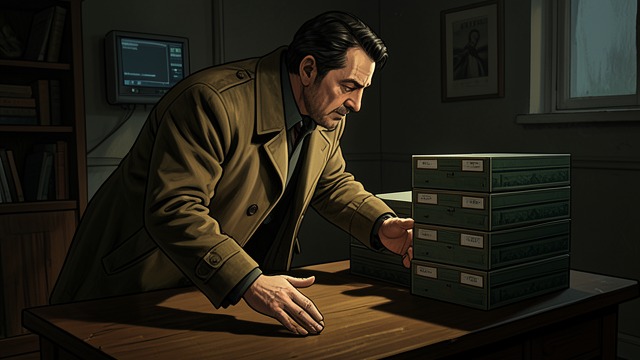
Books as Merchandise
Discovery
Lucien de Rubempré observes booksellers negotiating prices, payment terms, and risks rather than judging manuscripts on merit.
Meaning
Literary work enters a market where sales potential can outweigh artistic value.
Dauriat’s Refusal
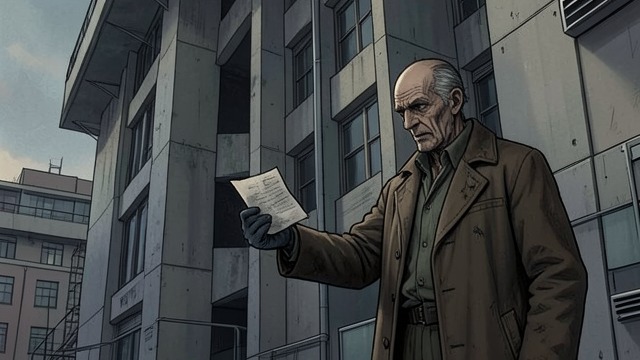
Dauriat’s Refusal
Gatekeeping
Dauriat refuses to publish Lucien’s poetry when the writer is unknown and the book seems unprofitable.
Reversal
After Lucien’s journalism makes him influential, Dauriat returns to buy the same collection.
Review as Weapon
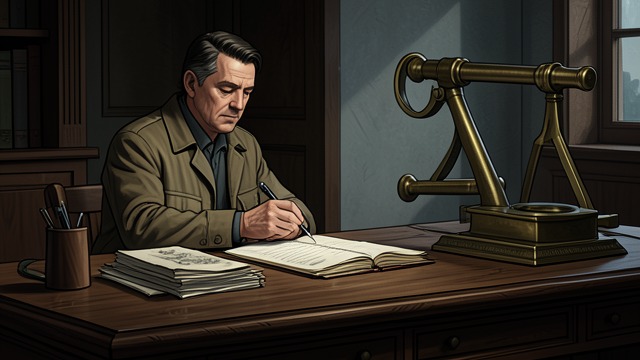
Review as Weapon
Campaign
Lucien attacks Raoul Nathan’s book and then writes a defense of it, turning criticism into a coordinated publicity strategy.
Contradiction
Both positions are treated as commercially useful performances rather than stable judgments.
The Novel’s Bad Contract

The Novel’s Bad Contract
Publication
Fendant et Cavalier publish Lucien’s historical novel under a changed title and on risky terms.
Failure
Their bankruptcy and a clearance sale ruin the book’s market before it can find readers.
A Writer’s Exposure
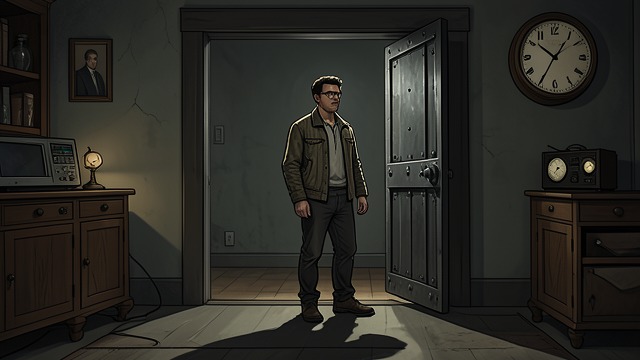
A Writer’s Exposure
Silence
Newspapers ignore the novel or exploit it in factional disputes, leaving Lucien without a fair hearing.
Pattern
The author discovers that a manuscript can be defeated by commercial decisions before readers judge it.
Lucien’s first weeks in Paris
Autumn 1821
Early 1822
During Lucien’s financial decline
After Lucien’s novel appears
