
Angoulême’s Class Divide
Illusions perduesThe rivalry between upper Angoulême and L’Houmeau shapes access, reputation, and the social limits faced by both Lucien and David.
increasing Bearing strength in each event
 decreasing
Bearing strength in each eventdecreasingTwo Social Worlds
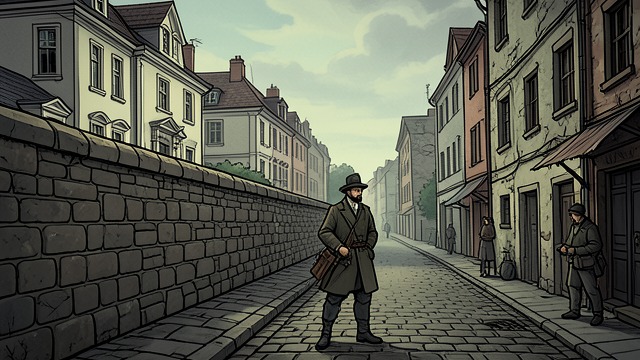
Two Social Worlds
Geography
Angoulême’s elevated center contains government, church, and aristocratic society, while L’Houmeau gathers commerce and industry below.
Consequence
The town’s geography hardens into a hierarchy that treats people from the lower district as social outsiders.
A Faubourg Poet
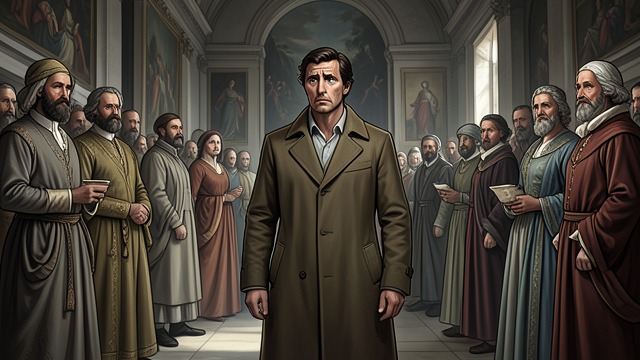
A Faubourg Poet
Entry
Lucien de Rubempré’s invitation to Louise de Bargeton’s salon crosses a boundary that the town normally polices.
Reaction
His presence becomes a public controversy because his talent cannot erase his family’s humble origins.
Public Humiliation
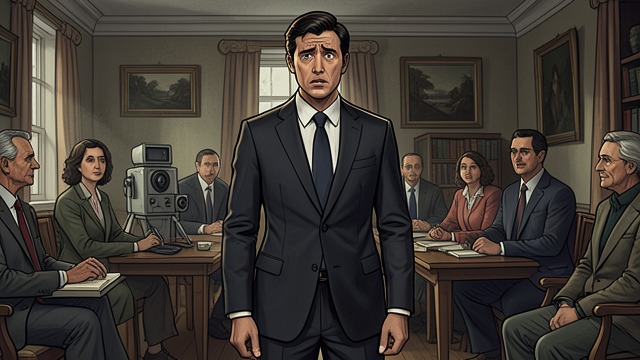
Public Humiliation
Exposure
The salon’s guests alternately call Lucien by his bourgeois and aristocratic names, making his uncertain status visible.
Result
Their ridicule reveals that social acceptance depends on more than poetic ability.
David’s Social Caution
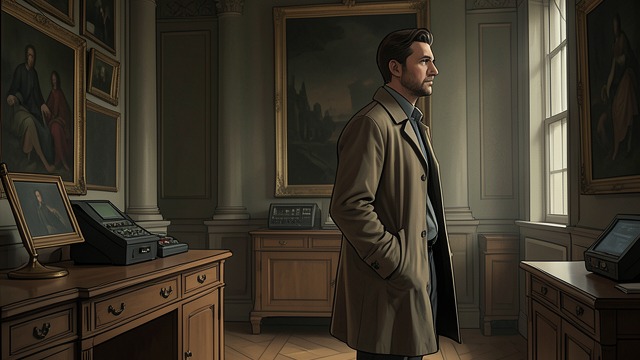
David’s Social Caution
Refusal
David Séchard declines to enter the aristocratic salon, judging that his occupation and manner would make him an object of ridicule.
Contrast
His prudence opposes Lucien’s eagerness to pass into a higher social world.
A Fragile Return
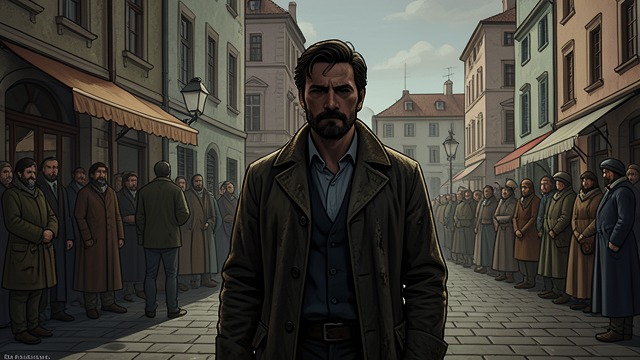
A Fragile Return
Reception
Lucien de Rubempré comes back to Angoulême impoverished after having left amid hopes of social ascent.
Reversal
His former town can celebrate his name, but his family now measures him by the harm his ambitions have caused.
At the opening of the story
Early 1821
During Lucien’s poetry reading
Before David and Ève’s marriage
After Lucien’s return from Paris
