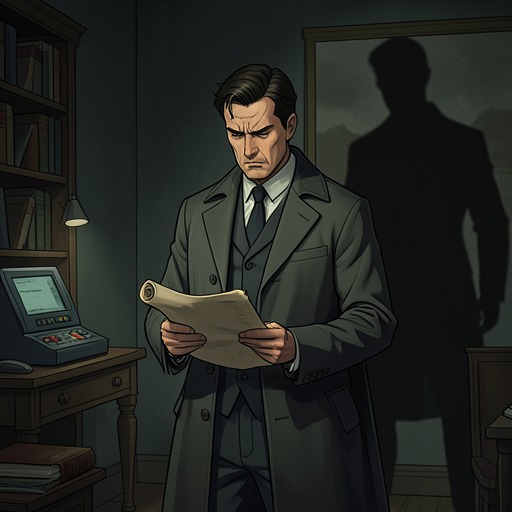
Monsieur de Nègrepelisse
Illusions perduesMonsieur de Nègrepelisse is Louise de Bargeton’s father and an imposing remnant of the old French nobility. His role is brief but consequential: he backs Monsieur de Bargeton during the duel with Stanislas de Chandour, then appraises Lucien de Rubempré when Lucien appears at his daughter’s breakfast table. In both scenes, he acts as a guardian of family standing, weighing a public insult against the men who might threaten or attract his daughter.
Family Position and Character
The narrative presents Monsieur de Nègrepelisse as a white-haired, authoritative country gentleman. He is close enough to Louise’s household to be present with her and Monsieur de Bargeton at breakfast, and his daughter can call on him to serve as a witness in a matter of honor. His standing is not merely ceremonial: when the family’s reputation is challenged, he is prepared to support decisive action.
His sense of honor is bound to Louise’s reputation and the family’s position. After Stanislas de Chandour insinuates that he surprised Louise with Lucien, she urges her husband to demand satisfaction and says her father will act as his witness. She describes him as willing, despite his age, to trample the man who has blackened the name of a woman of Nègrepelisse. Her account frames her father as a force behind the demand for public redress, even though Monsieur de Bargeton is the one who fights.
The Duel and Its Stakes
A report of the duel places Monsieur de Nègrepelisse at the scene before dawn: he arrives at three in the morning to assist Monsieur de Bargeton. He tells Stanislas de Chandour that if anything happens to his son-in-law, he will undertake to avenge him. The threat makes clear that the confrontation is not an isolated contest between two men; it draws in Louise’s family and carries the prospect of continuing retaliation.
Monsieur de Nègrepelisse also tests the pistols several times. When Sixte du Châtelet objects to the weapons being fired for practice, the officer acting as arbiter insists that the duelists must use weapons in working order. The men are placed twenty-five paces apart, and Monsieur de Bargeton fires first, hitting Stanislas de Chandour in the neck before he can return the shot. Monsieur de Nègrepelisse does not take the shot himself, but his presence, threat of vengeance, and attention to the weapons help give the encounter its grave, organized character.
His Judgment of Lucien
Later, Monsieur de Nègrepelisse is at breakfast beside Louise and Monsieur de Bargeton when Lucien arrives. His look is described as the searching gaze of a father eager to judge the man his daughter has singled out. Lucien’s exceptional beauty visibly impresses him, and he cannot conceal a look of approval. Yet his favorable first impression does not amount to confidence in the relationship: he seems to regard Louise’s attachment as a youthful flirtation or passing caprice rather than a lasting passion.
The encounter places Lucien under a different kind of scrutiny from the public suspicion surrounding the duel. Monsieur de Nègrepelisse assesses him not through rumor alone but as a father deciding what sort of man has attracted his daughter. His approval of Lucien’s appearance sits beside his doubt about emotional permanence, leaving the young man provisionally favored but not fully taken seriously.
Separation and Narrative Role
When Louise announces that she is going to Paris, she says her father will take Monsieur de Bargeton to Escarbas, where he will remain during her absence. Monsieur de Nègrepelisse therefore helps make the separation practical: Louise can pursue connections through Madame d’Espard while her father accompanies her husband away from the immediate social tensions in Angoulême.
Across these appearances, he links private family relationships to public honor and social strategy. He is at once the father prepared to support a forceful response to an insult, the old nobleman whose judgment is solicited, and the family member who accompanies Monsieur de Bargeton when Louise departs. The narrative gives him little independent action beyond these duties, but his interventions establish the weight of the family’s protection around Louise and the conventions governing her reputation.