
The Community’s Christian Debate
In Cold BloodThis thread follows competing ideas about forgiveness, religious belief, and the moral responsibility of killers and the state.
increasing Bearing strength in each event
 decreasing
Bearing strength in each eventdecreasingA Prayer for the Condemned

A Prayer for the Condemned
A family appeal
Howard Fox asks the community not to seek vengeance and urges prayer for the unknown killer. His appeal reflects a Christian belief that punishment should not close the possibility of forgiveness.
The wound remains
The request does not make the murders easier to bear. Forgiveness becomes an aspiration spoken amid grief, not a settled emotional achievement.
Religious Language in Court
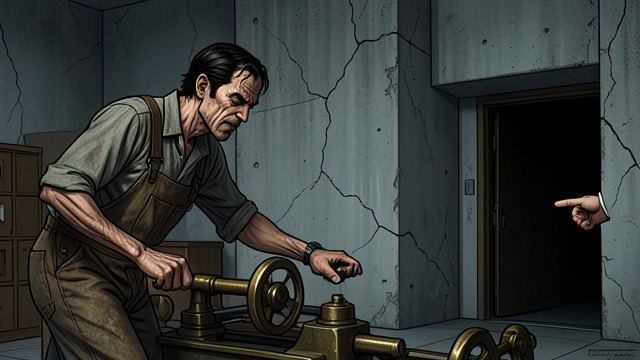
Religious Language in Court
Two uses of scripture
Defense counsel and prosecutor draw on Christian texts to argue opposite positions on capital punishment. Religious authority becomes part of a public contest over what justice requires.
Mercy versus retribution
The exchange exposes a tension between moral teachings against killing and claims that the state must punish murder. Neither side can make the conflict disappear by quotation alone.
Perry’s Refusal to Pretend
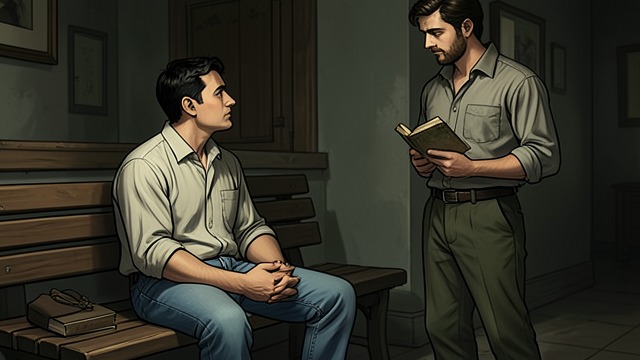
Perry’s Refusal to Pretend
A friend offers faith
Don Cullivan hopes Perry Smith will seek religious forgiveness. Perry appreciates the friendship but says he cannot honestly claim a belief or remorse he does not feel.
A difficult intimacy
Perry values being called a friend more than religious arguments that feel false to him. His honesty is not absolution; it makes the distance between moral language and his actions more visible.
A Killer’s Confession of Feeling
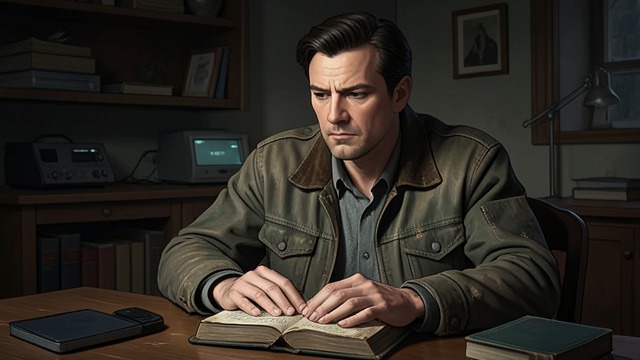
A Killer’s Confession of Feeling
Remorse questioned
Perry tells Don Cullivan that the killings do not trouble him as a conventional confession of remorse might suggest. He can feel sorry for himself and still recognize that he took lives.
Responsibility without comfort
He rejects easy performances of repentance but does not dispute his actions. The exchange complicates any simple distinction between a feelingless criminal and a repentant sinner.
The Executions Witnessed
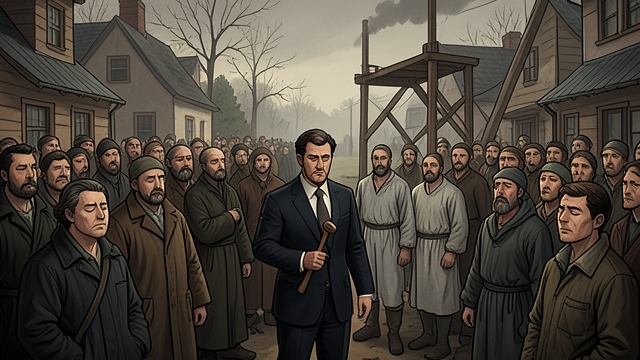
The Executions Witnessed
Law enacted as ritual
The witnesses observe the formal steps of execution and the final declarations of both men. The state’s punishment resembles a ceremony designed to make justice visible.
Moral discomfort persists
Alvin Adams Dewey supports capital punishment yet closes his eyes when Perry dies. His reaction shows that conviction about a sentence does not eliminate the human cost of carrying it out.
November 1959
March 1960
March 1960, during the trial
1960, after the trial
April 14, 1965
