
What Makes a Killer
In Cold BloodThis thread follows competing claims about innate violence, psychological injury, and personal responsibility.
increasing Bearing strength in each event
 decreasing
Bearing strength in each eventdecreasingDick’s Theory of Perry
Dick’s Theory of Perry
A useful label
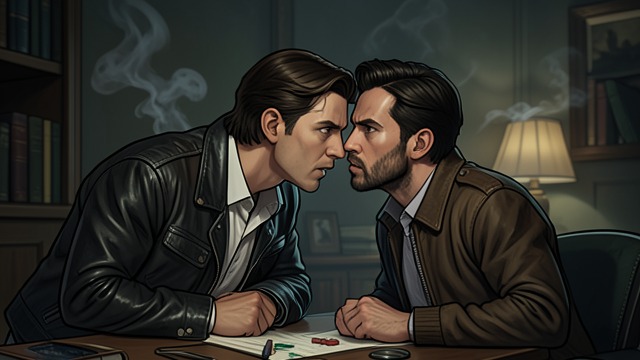
Dick sees Perry as a natural killer and believes his capacity for violence can serve Dick’s ambitions. The label flatters Perry’s toughness while reducing him to a function in another man’s plan.
A theory built on performance
Perry’s story about killing a stranger helps win Dick’s respect, but the story is false. Their partnership begins partly through a misreading that both men choose to preserve.
The Crimes Challenge the Label
The Crimes Challenge the Label
Different capacities for violence
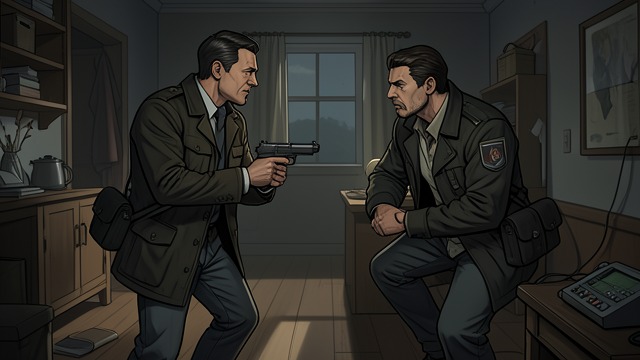
Perry commits the shootings, while Dick helps plan and carry out the invasion. Their later accounts dispute the exact distribution of acts but show that responsibility cannot be reduced to a single label.
Motive remains uncertain
Perry describes pity and anger alongside his violence. Those contradictions complicate a simple portrait without lessening the suffering inflicted on the victims.
Psychiatric Evidence
Psychiatric Evidence
Expert interpretation
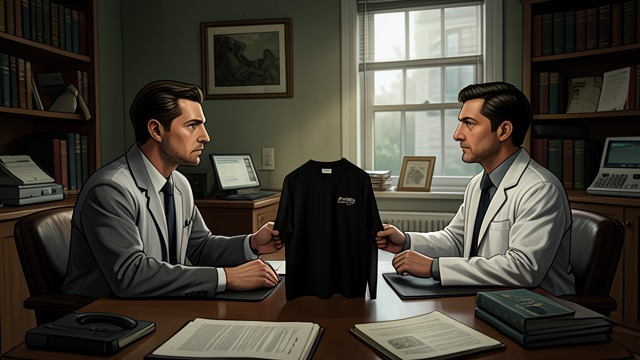
W. Mitchell Jones identifies serious emotional abnormalities in Dick and profound mental disturbance in Perry. His evaluations offer a framework for understanding behavior that seems both organized and senseless.
Law’s restriction
The court’s rules prevent the jury from hearing much of that analysis. Psychological explanation therefore remains beside, rather than inside, the legal verdict.
An Andrews Comparison
An Andrews Comparison
Another apparently senseless crime
The book describes Lowell Lee Andrews, who murders his family while appearing outwardly composed. His case gives investigators and readers another example of violence difficult to reconcile with ordinary ideas of motive.
Diagnosis and punishment
Psychiatric findings identify schizophrenia, but the law still allows the death sentence. The comparison makes the gap between explanation and legal responsibility more visible.
Responsibility After Explanation
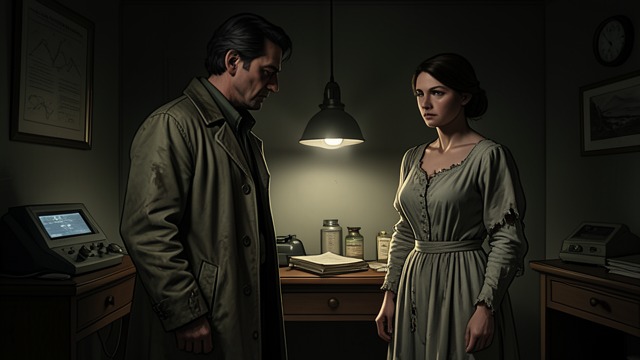
Responsibility After Explanation
History is not acquittal
Perry’s childhood suffering and psychological disturbance help explain the path to violence. They do not change the fact that the Clutters were innocent people whom he killed.
The moral question persists
The narrative resists both a purely monstrous portrait and an excuse based on trauma. Understanding a person’s history does not erase the responsibility owed to those harmed.
Before the murders
November 1959
March 1960
1960–1962
April 1965
