
Perry Smith’s Road to the Crime
In Cold BloodThis thread follows Perry’s childhood injuries, restless ambitions, criminal choices, and final accountability.
increasing Bearing strength in each event
 decreasing
Bearing strength in each eventdecreasingA Troubled Childhood
A Troubled Childhood
Separation and instability
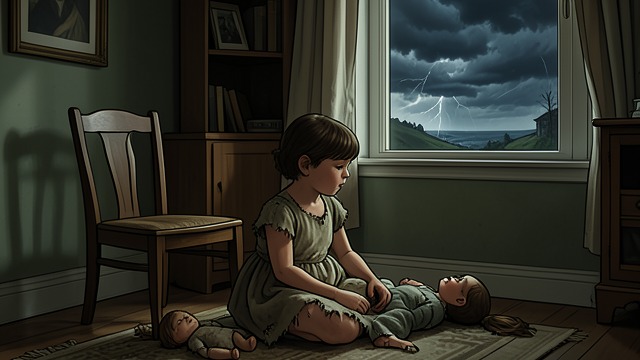
Perry Smith grows up amid his parents’ conflict, his mother’s drinking, and repeated changes of home. His childhood includes painful separation from his father and harsh treatment in institutions.
Lasting wounds
The boy’s humiliation and anger become part of his adult self-understanding. They help explain his alienation, but they do not erase his later choices.
The Wanderer’s Dreams
The Wanderer’s Dreams
A self-made life
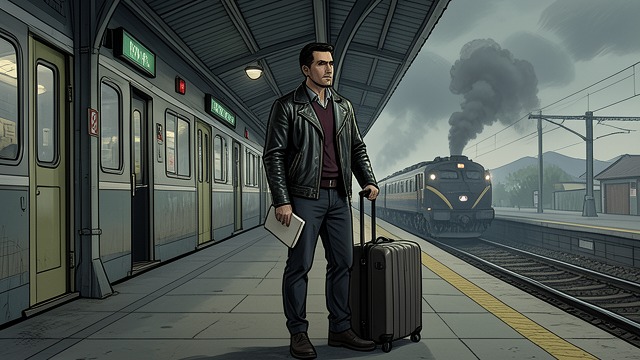
Perry leaves formal schooling early and travels through work, military service, and temporary homes. He values music, drawing, books, and visions of treasure beyond the life available to him.
An unstable promise
He imagines that a dramatic discovery will finally make him successful and independent. The dream provides direction, but its distance from practical reality keeps disappointment close.
Injury and Incarceration
Injury and Incarceration
A damaged body
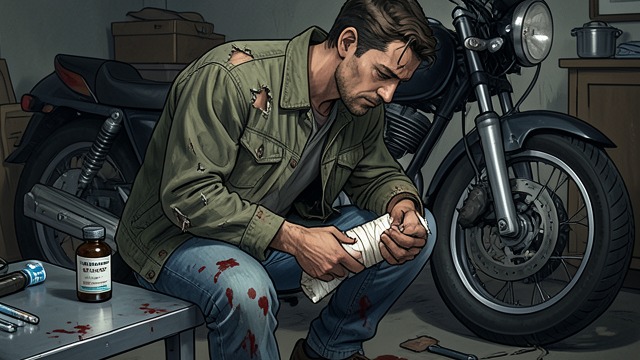
A motorcycle crash leaves Perry with painful, badly injured legs and recurring dependence on aspirin. The injury narrows his work prospects and reinforces his sense that ordinary life has excluded him.
Prison as a turning point
After burglary and escape, he serves time at Kansas State Penitentiary. There he meets Willie-Jay and Dick, relationships that shape his ideas about himself and what might come next.
The Clutter Murders
The Clutter Murders
A planned robbery
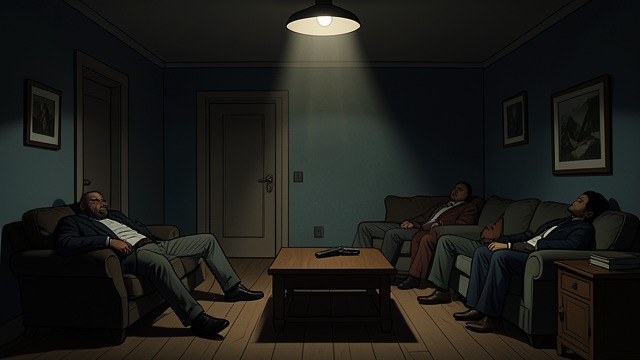
Perry joins Dick in a break-in founded on a false account of wealth at River Valley Farm. When no safe appears, he remains inside as the plan deteriorates.
An irreversible act
Perry ultimately kills the four members of the household. His later accounts reveal flashes of pity and detachment, but neither feeling prevents him from acting.
The Last Days
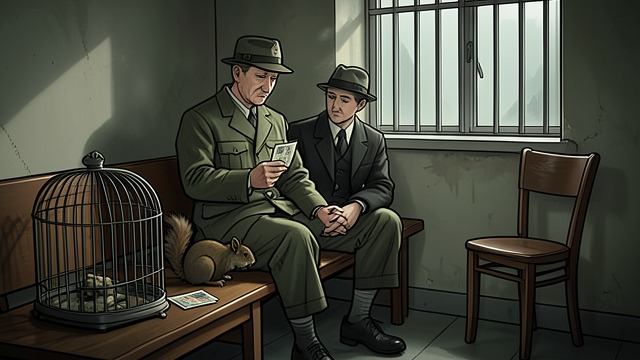
The Last Days
Prison and failed escape
Perry lives under a death sentence, forms a fragile attachment to a squirrel, and considers escape and suicide. A postcard from his father helps turn one prolonged hunger strike back toward life.
Responsibility accepted
Before the execution, Perry admits that he killed the family and offers an apology without claiming that apology can undo the crime. His life ends with the consequences he once feared and repeatedly tried to outrun.
1930s
Adolescence through early adulthood
1952–1959
Night of November 14, 1959
1960–1965
