
The Community’s Fear
In Cold BloodThis thread traces how an apparently safe rural community turns toward suspicion and then struggles to absorb the arrests.
increasing Bearing strength in each event
 decreasing
Bearing strength in each eventdecreasingA Place of Familiarity
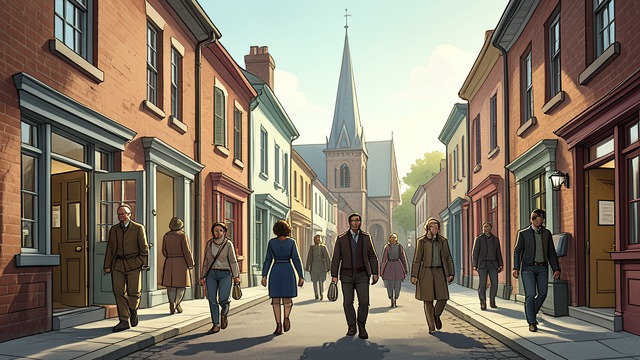
A Place of Familiarity
Everyday trust
Holcomb’s residents know one another through work, school, church, and neighborhood routines. People often leave doors unlocked because danger seems distant.
A fragile security
The community’s openness depends on shared assumptions about its people. The murders expose how much safety rests on trust rather than physical barriers.
News Travels
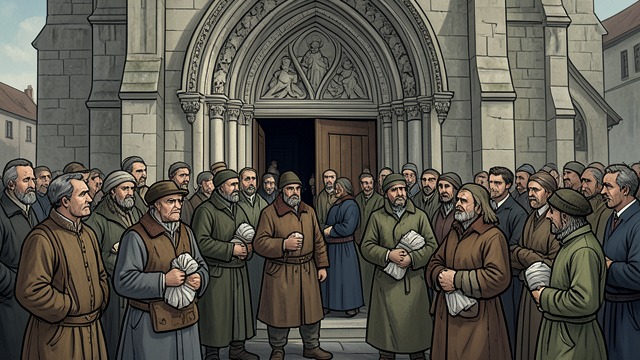
News Travels
Shock across town
News of the deaths spreads through church pulpits, telephone calls, and local businesses. Residents struggle to reconcile the crime with their knowledge of the family.
Fear becomes personal
If the Clutters were not safe, neighbors wonder whether anyone is safe. The possibility that the killer belongs to the community changes familiar faces into uncertain ones.
Rumor and Retreat
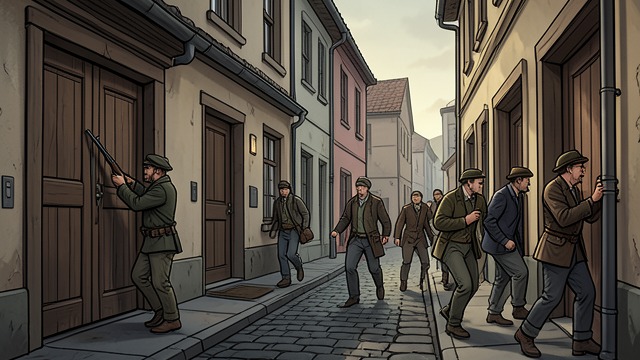
Rumor and Retreat
Suspicion circulates
Residents invent theories about grudges, mistaken targets, and local conspiracies. Some begin locking doors and keeping weapons nearby.
Leaving becomes imaginable
Several families consider moving, including the Ashidas. Fear alters not only how neighbors speak but also where they believe they can safely live.
The Arrest Reaches Town

The Arrest Reaches Town
Public arrival
The suspects’ return draws reporters, schoolchildren, and local residents to the courthouse. The crowd gathers to see whether the mystery has acquired a human face.
Relief remains incomplete
Some residents feel the danger has passed, while others reject the idea that two strangers acted alone. Suspicion has become difficult to reverse simply by naming suspects.
After the Case Moves On
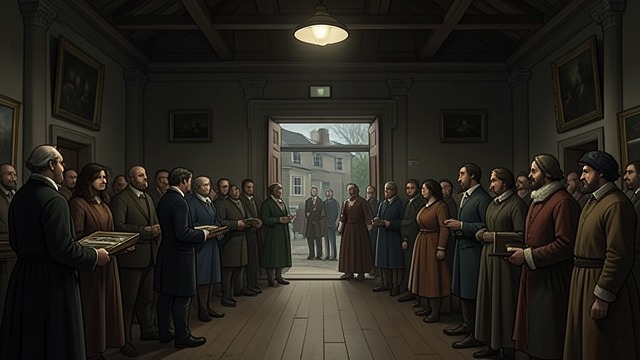
After the Case Moves On
An estate auction
Thousands attend the sale of the Clutter property, drawn by purchases, curiosity, or the chance to see the house. The employees’ last service becomes a second funeral in their eyes.
Community memory
The family’s possessions disperse, but the crime remains part of local identity. The public’s curiosity and grief coexist uneasily on the same ground.
Before November 1959
November 15, 1959
November–December 1959
January 6, 1960
March 21, 1960
