
The Artist’s Inner Vision
In Search of Lost TimeThe narrator’s encounters with painting and landscape show how art transforms perception, while society repeatedly confuses artistic value with fashionable approval.
increasing Bearing strength in each event
 decreasing
Bearing strength in each eventdecreasingThe Roses at La Raspelière
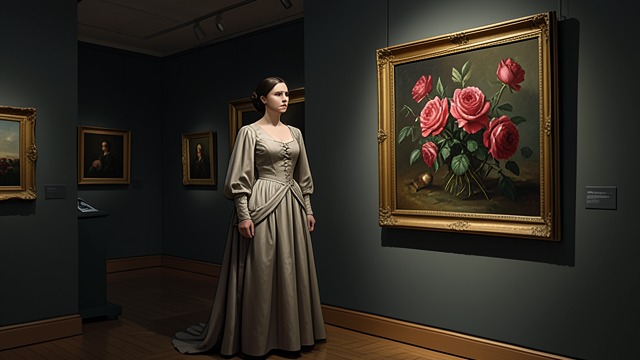
A Painted Flower
Elstir’s work
Madame Verdurin shows the narrator roses painted by Elstir. The painting preserves a vision of flowers that would otherwise have gone unnoticed.
Art as discovery
The artist does not merely reproduce a specimen. His inner transformation makes the roses seem like a new variety of the natural world.
A Church in Sunset
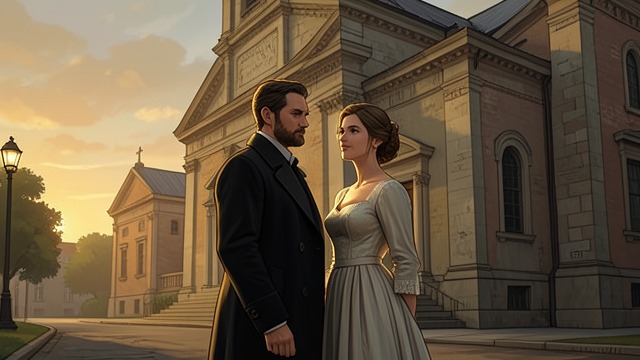
Light Rewrites Architecture
Changing appearance
The narrator and Albertine see a church in the evening light. The sun transforms stone and sculpture into a fluid, luminous scene.
Art beyond doctrine
Albertine calls attention to restoration and style, while the narrator notices how light alters what the church appears to be. Seeing remains an act of interpretation.
Elstir and the Seaside
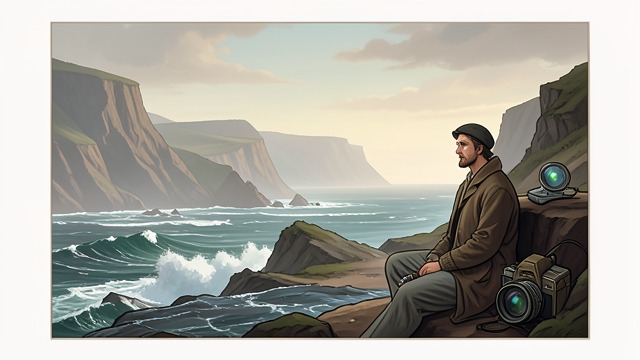
Learning a Landscape
From familiar to strange
The narrator recalls Elstir’s paintings while traveling through the coastal region. Places seem newly composed when viewed through the artist’s attention.
A transformed geography
Art changes not the location but the observer’s capacity to see. The painter’s vision allows a landscape to become both real and unfamiliar.
The Verdurins Revalue Elstir
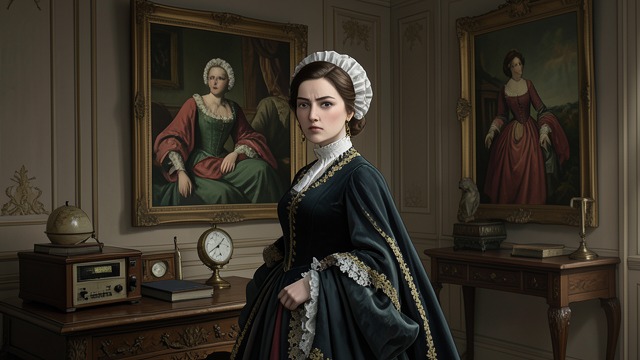
Praise Reversed
A former favorite
Madame Verdurin remembers Elstir as a brilliant member of her salon, then dismisses his later work as derivative. Her taste changes with their estrangement.
The social life of art
An artist’s reputation is vulnerable to the host’s approval. Artistic judgment here reveals personal grievance as well as aesthetic opinion.
The Narrator’s Unequal Attention
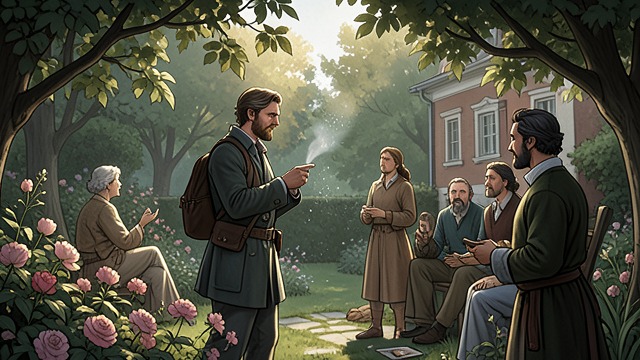
Beauty in Unexpected Details
A private aesthetic
The narrator is moved by scents, light, and humble objects that leave other guests indifferent. His experience does not always align with recognized taste.
A solitary response
Artistic perception is personal and cannot be reduced to fashionable rankings. His isolation in seeing differently becomes part of his education.
During the dinner at La Raspelière
During the narrator’s outings with Albertine
During reflections on Balbec’s landscapes
At the Cambremer dinner
During the later visits to Féterne and La Raspelière
