
The Grandmother’s Afterlife in Memory
In Search of Lost TimeThe narrator’s delayed grief reconstructs his grandmother as a living presence, then forces him to face both the reality of her death and his own past failures of tenderness.
increasing Bearing strength in each event
 decreasing
Bearing strength in each eventdecreasingA Forgotten Loss
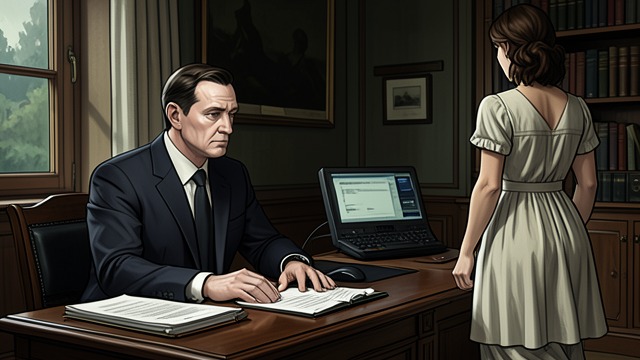
Grief Deferred
Life without full remembrance
The narrator has spoken and thought about his grandmother, but these acts have not restored her lived reality. His everyday self has kept the loss at a distance.
Memory waits in sensation
The past survives in a latent form. A particular bodily context will eventually bring it back with unexpected force.
The Boots and the Memory
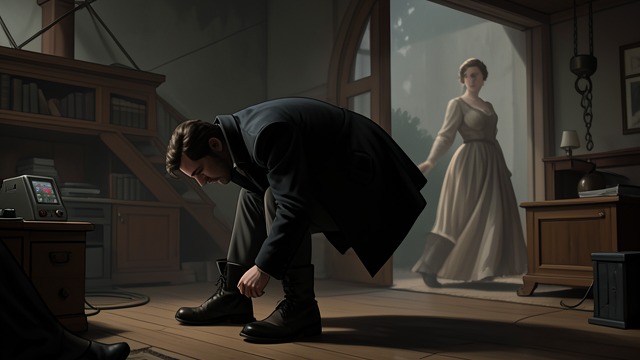
An Unbidden Return
Physical trigger
As the narrator bends to remove his boots, an involuntary memory restores the face of his grandmother. The recollection is not chosen or reasoned into being.
Recognition of death
The vividness of her return makes her absence undeniable. He grieves not only her death but the time during which he failed to feel it.
The Photograph’s Evidence
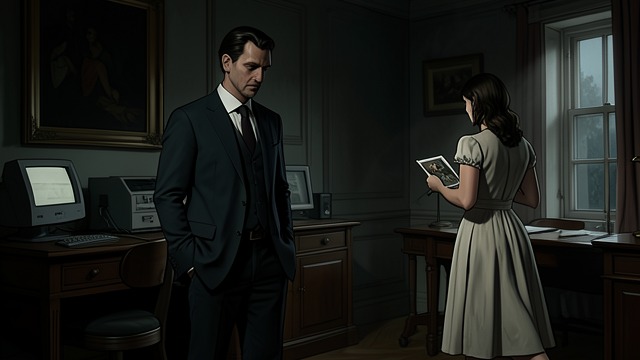
A Hidden Illness
A changed image
The narrator looks again at Saint-Loup’s photograph and hears Françoise describe the illness his grandmother concealed. A record once valued for its appearance becomes evidence of suffering.
Retrospective pain
He understands that she hid her condition to spare him. The knowledge changes his recollection of moments when he was impatient or unkind.
A Mother Becomes a Successor
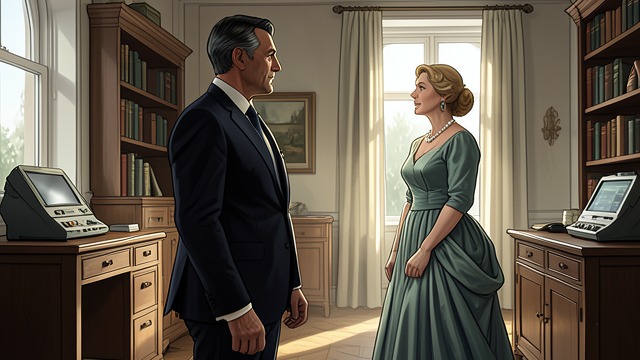
The Dead in the Living
An altered resemblance
The narrator sees his mother’s face and conduct taking on his grandmother’s qualities. Mourning has changed how she inhabits her own identity.
Continuity through imitation
The dead persist through gestures, objects, and habits inherited by the living. This continuation is real to the family, though it cannot restore the dead person.
A Dream of Abandonment
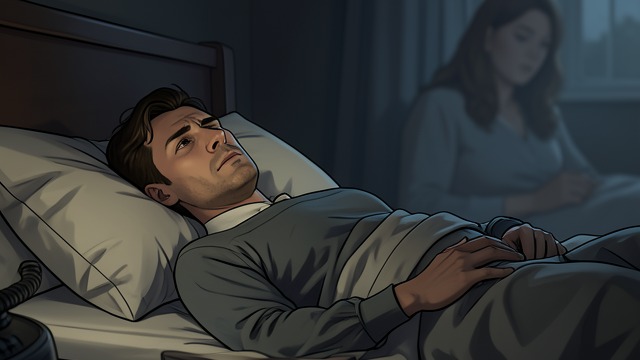
Sleep Reopens the Wound
Dreaming the impossible
The narrator dreams that his grandmother is alive but lonely and forgotten. Sleep rearranges memory into a world in which he can still fail her.
Awakening without repair
On waking, he cannot bring the dream’s logic back intact. Its emotional force remains, adding new forms of guilt to the old loss.
Before the second Balbec journey
The first night at Balbec
Soon after the memory’s return
During the narrator’s mother’s visit to Balbec
During the nights following the memory’s return
