
Sleep, Habit, and Consciousness
In Search of Lost TimeThe narrator’s reflections on sleep turn nightly transitions into a larger inquiry about time, memory, bodily identity, and the limits of waking consciousness.
increasing Bearing strength in each event
 decreasing
Bearing strength in each eventdecreasingSleep After La Raspelière
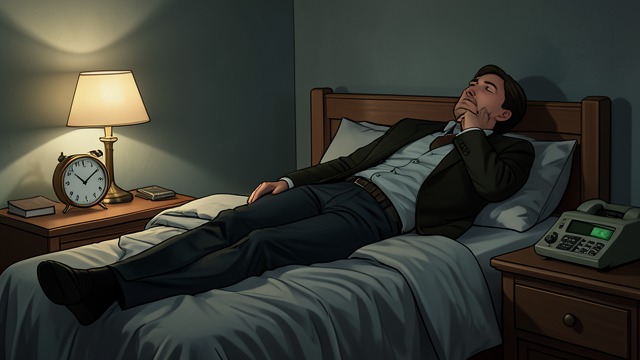
Entering Another Life
A changed state
The narrator falls into deep sleep after late dinners and imagines sleep as a dwelling with its own sounds, visitors, and transformations.
A different time
A short interval may feel long or vanish entirely. The sleeping self does not measure time as the waking self does.
The False Telephone Bell
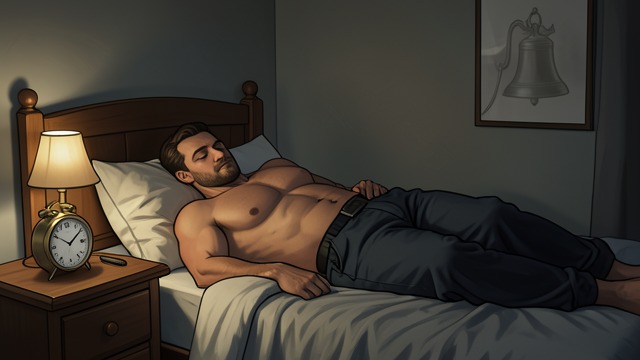
An Imagined Ring
A remembered sound
The narrator believes that he has rung repeatedly for the valet. The bell’s sound remains vivid even though no physical signal occurred.
Consciousness questioned
The episode unsettles the boundary between dream and waking perception. A sensation can seem real without a corresponding event in the shared world.
Memories Without Access
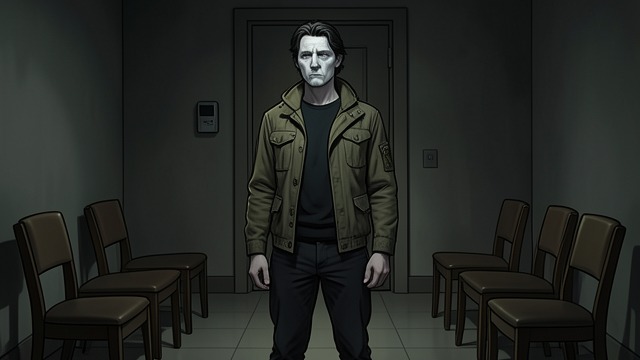
Possession Without Recall
Stored experience
The narrator considers whether memories may remain within a person even when they cannot be recalled. Altered bodily states make some memories inaccessible.
Identity at risk
If memory is part of the self, its temporary loss resembles a partial death. The question reaches beyond sleep toward the possibility of life before birth.
Habit’s Protection
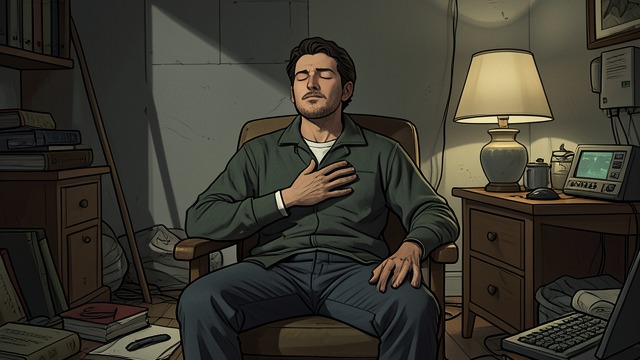
Habit and Awareness
Familiar sleep
Habit regulates the narrator’s ordinary transitions into sleep and waking. To notice consciousness clearly, he must sometimes escape that familiar pattern.
A fragile experiment
Unexpected awakenings reveal states that routine conceals. The attempt to observe them is itself limited by bodily need and forgetting.
Time and the Self
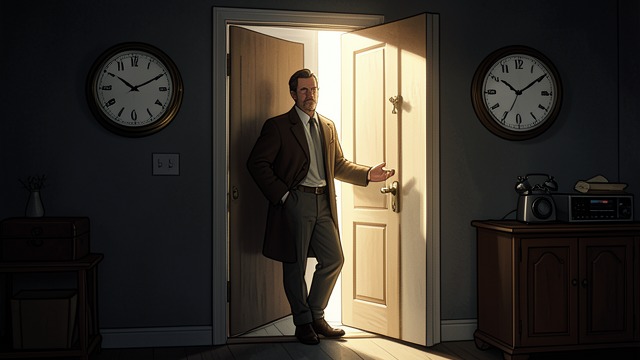
A Self Beyond the Clock
Conflicting measures
The narrator questions whether waking time can measure the experiences of sleep. Different states of consciousness may belong to different temporal systems.
The unresolved person
The self that wakes cannot fully recover the self that slept. Memory reconnects them only partially, leaving identity continuous in appearance and discontinuous in experience.
On nights following dinners at La Raspelière
During an awakening after a deep sleep
During reflections on soporifics and memory
After repeated late returns from La Raspelière
During the narrator’s extended meditation on memory
