
The Hotel as a Social Stage
In Search of Lost TimeThe Balbec Grand Hotel turns work, leisure, desire, and class performance into a continuous spectacle that reshapes how the narrator sees its guests and servants.
increasing Bearing strength in each event
 decreasing
Bearing strength in each eventdecreasingA Theatre of Arrival
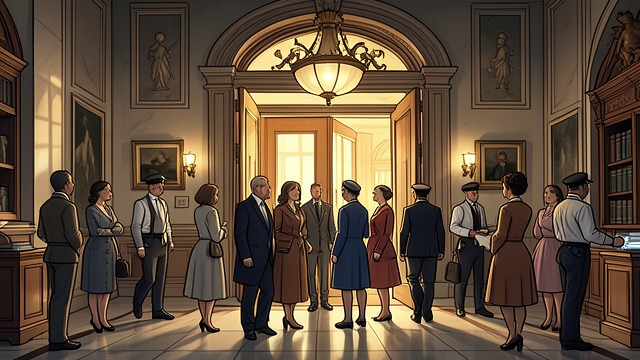
The Hotel’s Cast
A staged welcome
The hotel manager assigns rooms, staff, and rituals with theatrical care. The narrator experiences the building as a performance in which every arrival has a part.
A shifting audience
Guests watch one another while servants observe them in return. The hotel’s social roles are never as fixed as they first appear.
The Servant Chorus
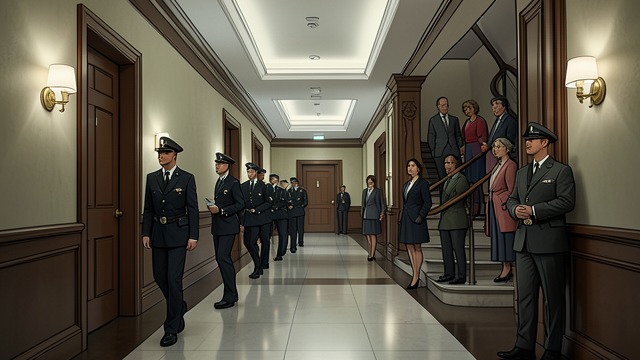
Pages and Employees
Work as display
Pages, lift attendants, and waiters move through the hotel like a decorative chorus. Their uniforms and repeated tasks give the building an almost ritual order.
Ambition beneath service
The narrator learns that workers have plans, rivalries, and private lives. Their apparent stillness hides active strategies for advancement.
The Lift-Boy’s Errands
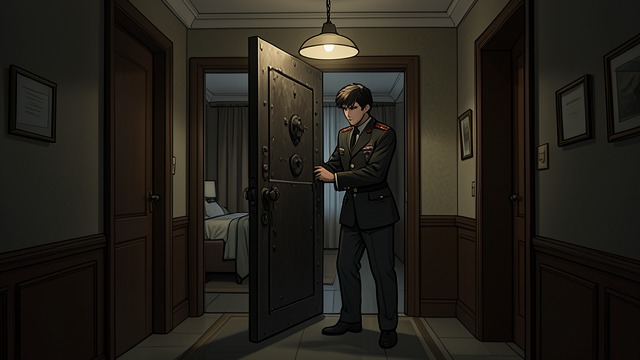
A Messenger’s Role
Crossing social boundaries
The lift-boy carries messages and fetches Albertine, moving between the narrator’s private life and the hotel’s public machinery. He expects payment and recognition for his work.
Misread intentions
The narrator discovers that the boy’s apparent cheerfulness may reflect money, fear, or habit rather than devotion. Social affection becomes difficult to distinguish from service.
Bernard’s Dining Ritual

A Private Arrangement
A familiar table
M. Nissim Bernard returns daily to dine at the hotel and watch a young waiter he supports. His family mistakes the routine for an eccentric preference for food and scenery.
Public respectability
The hotel’s orderly service conceals an unequal private relationship. Bernard’s ritual echoes the hotel’s broader mixture of spectacle and secrecy.
A Different Social Vision
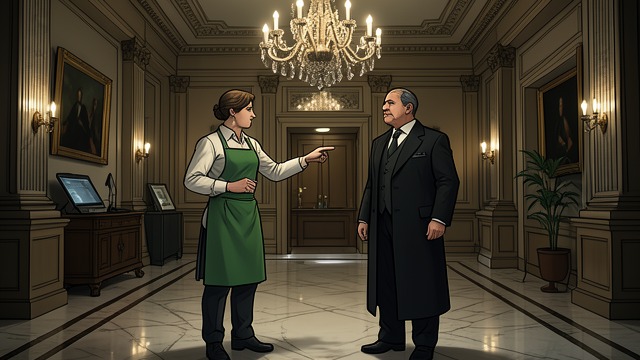
The Hotel’s Hidden Worlds
Guests and workers
The narrator observes the different hierarchies imposed by wealth, title, professional rank, and money. Workers understand some relationships that guests fail to notice.
A social microcosm
The hotel becomes a model of a wider society where desire and power circulate behind visible ceremony. Its theatre includes everyone, whether or not they know their role.
At the narrator’s arrival for his second Balbec stay
During the first days of the second stay
During the early weeks at Balbec
During the summer at Balbec
As the summer season fills the hotel
