
The Two Cambremer Marquises
In Search of Lost TimeThe older and younger Marquises reveal contrasting forms of taste, rank, and social adaptation within one family, while their relationship makes inherited and acquired identity visible.
increasing Bearing strength in each event
 decreasing
Bearing strength in each eventdecreasingThe Dowager’s Hospitality
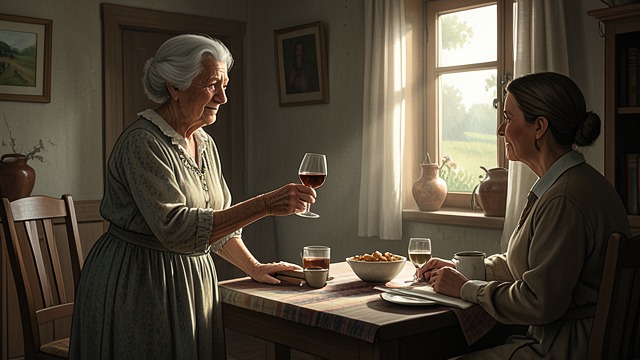
An Old-Style Hostess
Rural generosity
The older Marquise de Cambremer visits neighbors and accepts invitations out of kindness, even when social convention might excuse her absence.
A different measure
Her identity rests on hospitality and musical cultivation rather than calculated exclusivity. She is both more generous and less strategic than her daughter-in-law.
A Daughter-in-Law’s Ambition
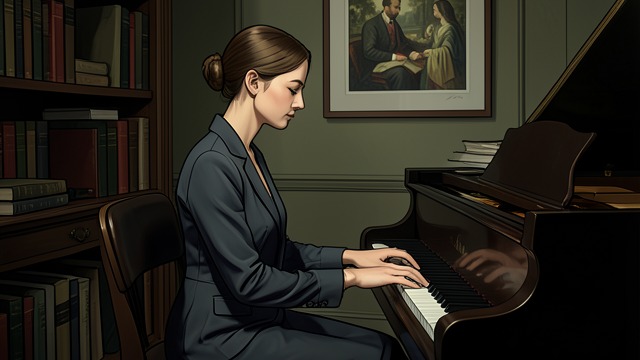
An Acquired Position
Cultural display
Mme de Cambremer-Legrandin speaks confidently about modern art and music. Her education gives her a language for expressing taste and ambition.
Social aspiration
She wants access to elite connections that her marriage has not automatically provided. Her cultivated opinions coexist with a persistent desire to rise.
The House Changes Hands
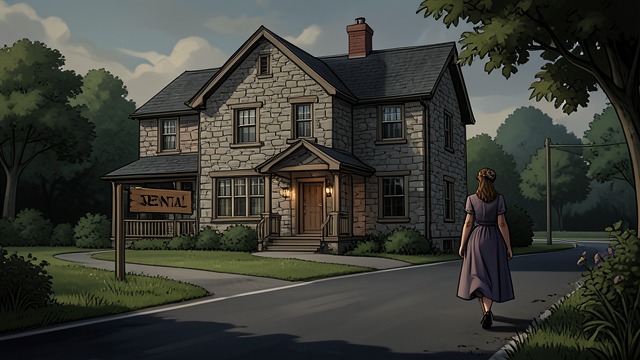
A Family Property Let
Practical necessity
The Cambremers lease La Raspelière to the Verdurins. The older Marquise accepts the arrangement with less resentment than the younger woman.
Different attachments
For the dowager, the estate is one part of a broad domestic life. For her daughter-in-law, it is an emblem whose alteration feels like a personal insult.
Conflicting Aesthetic Standards
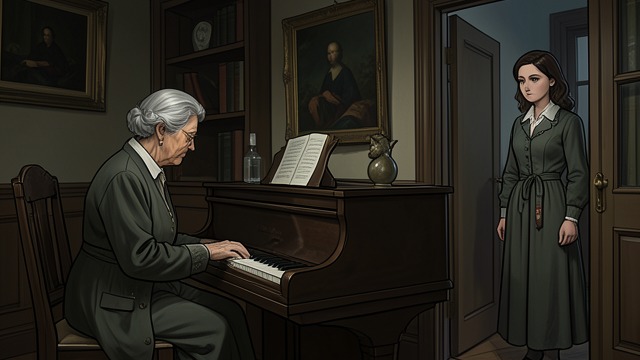
Taste as a Family Divide
The dowager’s music
The older Marquise values Chopin and plays with a tradition that her daughter-in-law regards as obsolete. Her genuine skill is dismissed as mere technique.
Modernity as status
The younger Marquise treats artistic progress as a single direction. Their disagreement reveals generational difference and social performance within the family.
A Shared Social Disappointment

Family Against the Verdurins
A common grievance
The Cambremers become increasingly resentful of the Verdurins’ changes to their property and their claims of social authority. The two women’s differences temporarily align against a tenant.
No reconciliation
Their alliance is practical, not intimate. The family retains its internal hierarchy even while facing an outside social rival.
Before the first dinner at La Raspelière
During the narrator’s first visit with the Cambremers
At the start of the summer season
During the dinner at La Raspelière
Later in the Balbec season
