
The Narrator’s View of Society
In Search of Lost TimeThe narrator’s changing access to aristocratic and bourgeois circles reveals how social reputation depends on perspective, setting, and the stories people tell about one another.
increasing Bearing strength in each event
 decreasing
Bearing strength in each eventdecreasingTwo Kinds of Reception

Prestige Depends on Context
Contrasting salons
The narrator moves among the Guermantes reception, the Verdurin circle, and the salons of other hosts. Each claims a different standard of refinement.
A shifting social map
People admired in one room may be dismissed in another. The narrator learns that social value is relational, not intrinsic.
The Invisible Guest List
Invitation as Judgment
Inclusion and omission
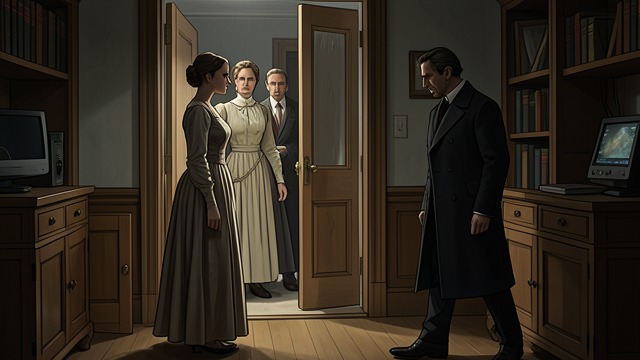
The narrator observes that invitations shape opinions about the people who receive or lack them. A hostess’s choice can redefine an acquaintance overnight.
Reputation follows access
Guests treat admission as proof of worth and exclusion as evidence of offense. Social judgment often precedes knowledge of the person.
The Hotel’s Competing Hierarchies

Rank Measured in Different Ways
Titles and tips
Some hotel employees value noble birth and manners; others judge guests almost entirely by the money they spend. The hotel contains incompatible systems of status.
Social relations reappear
The narrator sees class rules reproduced among servants as well as guests. People negotiate dignity wherever unequal power exists.
Salon Reports and Reality

Publicity Replaces Experience
Newspaper impressions
Readers infer the importance of a salon from society columns. A list of famous names may conceal the compromises that assembled it.
Private knowledge differs
Those who enter the drawing room see a more complicated scene than the newspaper presents. Reputation is a construction assembled from partial views.
A Social Self Changes
Perspective and Belonging
Changed valuations
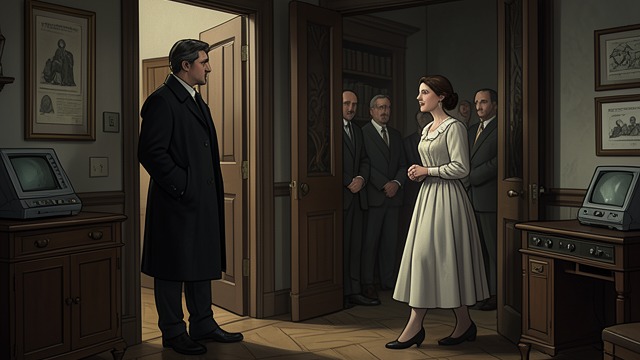
The narrator’s attitudes toward friends and salons shift with love, grief, and experience. The same person can gain or lose importance as his own priorities change.
No fixed social identity
A person’s place is partly created by those who observe and discuss them. Society is a moving system of judgments rather than a stable hierarchy.
During the evening at the Princesse de Guermantes’s
During reflections on Paris society
During the narrator’s second Balbec stay
During the narrator’s reflections on the Verdurins and Odette
By the end of the narrator’s Balbec stay
