Associative memory
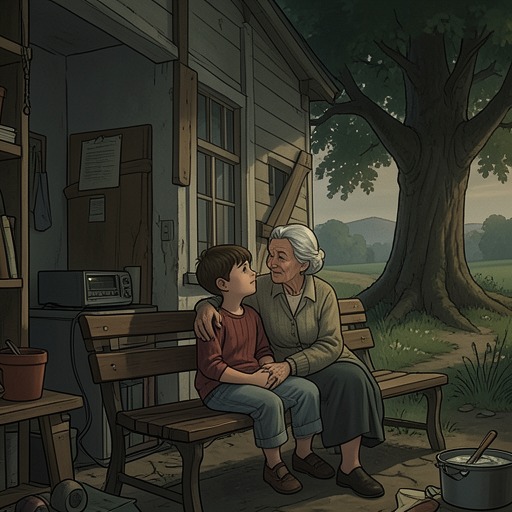
In Search of Lost TimeAssociative memory describes how a present sensation or circumstance can restore a past experience by reactivating the context in which it was lived. Its returns are not simply deliberate recollections: they can make old feelings vivid in the present, expose losses that had not yet been emotionally understood, and bring successive versions of the self into abrupt contact.## Triggers and the return of feelingAssociative memory operates through the recovery of a sensory or emotional context. The narrator explains that past joys and sorrows may remain inaccessible in an obscure region of the self; when the sensations that preserve them are recaptured, the associated memory can displace other thoughts and install the self that originally experienced them. The past does not return as a neutral record. It comes with its former emotional life, changing what the present means.## The grandmother remembered at BalbecAt Balbec, the narrator’s first night in his room and the act of removing his boots unexpectedly restore the image of his grandmother stooping to help him on an earlier evening. The recollection is involuntary and immediate: the tenderness he had not consciously recovered becomes present again, and only then does he fully realize that she is dead. More than a year has passed since her burial, but the calendar of events and the calendar of feeling have not kept pace. The recovered memory therefore brings both intimacy and irreversible loss into the same moment.The experience also reveals that the narrator’s earlier thoughts and words about his grandmother had not contained her living reality. His memory of her had remained merely potential until the circumstances that once accompanied her care brought it back. He is confronted with a contradiction: the relationship survives within him as a force of tenderness, while death has made its continuation in the world impossible. The associative return does not undo the loss; it makes the loss emotionally real.## Memory, mourning, and sleepThe narrator distinguishes this late-arriving grief from the grief of his mother, whose mourning has already endured. His own sorrow comes only when he has, in effect, understood the death through an involuntary recollection. Seeing his mother in mourning at Balbec, he recognizes that her altered presence carries the dead woman’s influence: she seems to have become, in some measure, her mother’s successor. The grandmother’s bag, muff, clothes, and beloved books by Mme de Sévigné matter to her daughter as objects bound to that continuing relationship. Memory thus travels not only through an individual’s recovered sensations but also through habits, likenesses, and cherished things.Sleep makes the instability of recollection more severe. In a dream following the recovered grief, the narrator searches for his grandmother and remembers that he had forgotten to write to her; although he knows she is dead, the dream presents his neglect as if it were a present abandonment he could still repair. He describes sleep as a state in which ordinary measures of duration lose their hold: a sleeper may not know whether two hours or two days have passed, and waking requires an effort to fit the experience into time. The dream does not simply reproduce waking memory; it refracts sorrow through bodily and mental states that intensify it.## Places, sensation, and changing selvesAssociative memory also links a person to places and to changes in the natural world. After accompanying Albertine toward Epreville, the narrator takes a road associated with earlier drives with his grandmother. Its muddy ground recalls her difficulty walking without getting covered in mud; the apple trees, now in luxuriant spring bloom, differ sharply from the green-leaved trees he had seen there with her in August. The landscape makes temporal difference visible: the remembered road remains recognizable, yet the season and the narrator’s relation to it have changed. Elsewhere, the sea viewed from a height appears unlike the sea seen from Balbec, its currents and the opening of the bay newly altered by the observer’s position. Recollection and perception alike depend on context.The narrator’s return to an old tune while dressing for dinner with Albertine similarly connects periods that had seemed separate. The melody recalls earlier selves: the young man beginning to fall in love with Albertine while expecting never to know her, the later self who had ceased to love her, and the present self who loves her again. For an instant, the tune brings these stages of life into view together. The narrator’s self is not continuous in feeling; habit can dull impressions, while a familiar stimulus can restore a former sensibility and make an earlier emotional world vivid again.## SignificanceAssociative memory makes the past active without making it recoverable at will. A gesture, a place, a tune, or a renewed sensory context can return an earlier self and its attachments, but that return may also disclose what has been lost or forgotten. The episodes of grandmotherly tenderness, delayed mourning, and renewed love show memory as both a means of emotional recognition and a source of painful surprise: the past becomes present precisely when the narrator discovers that it cannot be lived again.