
The Excavation Under Threat
In the WoodsThis thread traces the archaeological team’s effort to document Knocknaree before the motorway destroys the site, and shows how the threatened dig becomes both a community cause and the setting for an investigation.
increasing Bearing strength in each event
 decreasing
Bearing strength in each eventdecreasingA Site on Borrowed Time
The Dig’s Deadline
Archaeology beside the estate
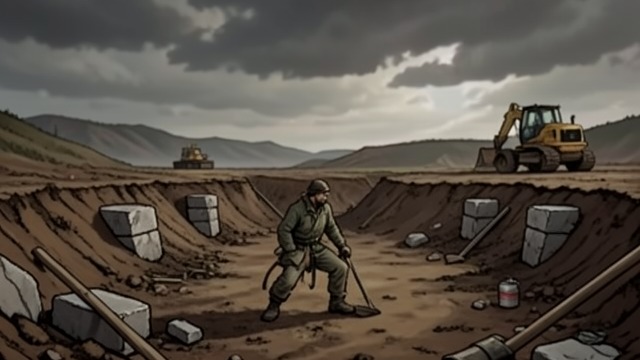
Rob Ryan and Cassie Maddox arrive at an excavation in Knocknaree where archaeologists have been working against a fixed deadline. The site contains traces of many periods of occupation, including a ceremonial stone and a medieval keep.
Mark Hanly explains that the excavation has been compressed into roughly two years, although the site would need much longer to document properly. Bulldozers have already removed large sections of ground, leaving archaeological features isolated among churned earth.
A conflict outside the investigation
The Irish Government intends to build a motorway across the site. The archaeological team’s urgency is therefore not simply professional ambition: they are trying to record a threatened landscape before construction permanently changes it.
Mark’s Vigil
A Personal Act of Resistance
Staying with the hill
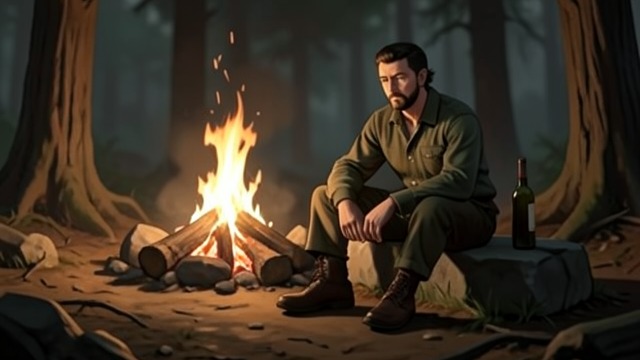
Mark admits that he sometimes sleeps in Knocknaree wood. He says the site is not merely an archaeological assignment to him: it is a source of belief and identity, and he sees the motorway as an act of desecration.
On the Monday night before Katy’s body is found, Mark keeps a small vigil near the site, making a fire and pouring wine as a libation. He sees a torch crossing the excavation but cannot identify the person carrying it.
Vigil and suspicion
His presence gives investigators a crucial observation about someone moving through the site at night, though it also makes him a suspect. His commitment to the heritage cause remains genuine even as the murder inquiry tests the limits of what his vigil can explain.
A Community Campaign
Residents Resist the Route
From protest to court
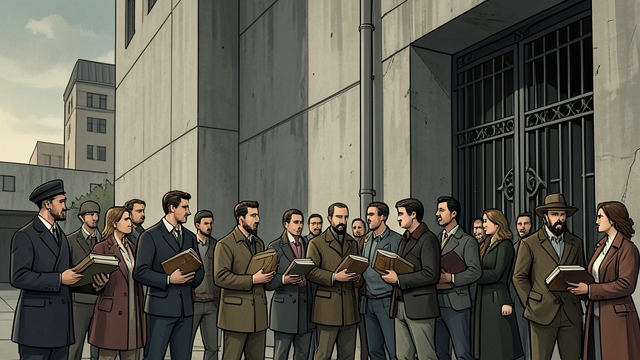
Jonathan organizes the Move the Motorway campaign, arguing that the excavation and its surrounding landscape deserve protection. Residents picket government buildings, write to politicians, and challenge the route through legal proceedings.
The campaign draws support from archaeologists working at the site, including Mark and other members of the team. It also creates resentment among residents who believe the motorway will bring development and economic opportunity.
A public fight with private stakes
The campaign gives Jonathan a visible political role, which makes anonymous threats against his family appear connected to the route. Its demands are sincere, but the land scheme around the motorway means that arguments about public infrastructure also conceal substantial private financial interests.
The Site Becomes Evidence
A Dig Turned Crime Scene
Investigation interrupts the work
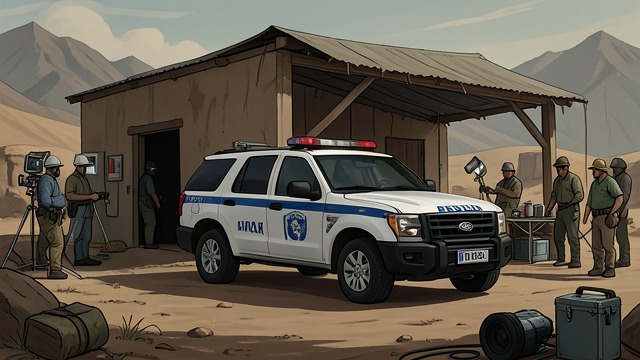
When the detectives return to search the excavation, Mark objects that police attention is disrupting the team’s remaining working time. His anger reflects the same deadline that has shaped the dig from the beginning: the site is about to be handed to road construction.
The police search establishes that the excavation’s sheds may have been used in Katy’s murder. The archaeologists’ working equipment and storage areas, once part of a rescue effort for the past, now become crucial locations in a present-day criminal investigation.
Preservation through evidence
The murder inquiry records the site in forensic detail, but this is not the preservation Mark had sought. What police can document may help establish what happened to Katy, yet it cannot secure the archaeological landscape against the coming motorway.
Construction Wins
The Route Goes Ahead
Protest cannot stop the project
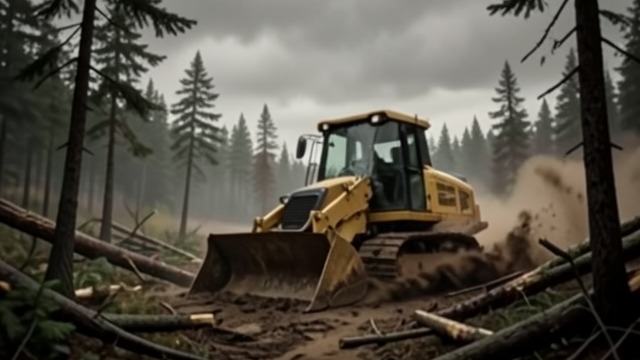
The Move the Motorway campaign delays construction through injunctions and legal challenges, while protesters camp on the site to impede the bulldozers. The effort buys time but does not overturn the government’s decision.
When construction finally begins, Rob sees workers cutting down the remaining strip of wood and tearing into the archaeological landscape. The place that had held childhood memories, crime-scene evidence, and archaeological layers is rapidly made unrecognizable.
A material loss
The road proceeds along its original route. The destruction resolves the public dispute in favor of infrastructure, but leaves the history of the site only partly documented and the childhood landscape irrecoverable.
The day Katy’s body is discovered
Monday night before Katy’s body is found
Before and during Operation Vestal
The final week of the excavation
After the trials and the close of the case
